Stop the Bathroom Mold Battle with Infrared Heat
Most people think bathroom heat lamps are just there to keep you from shivering when you step out of the shower. But if you look under the hood, there’s some pretty cool science happening. We’re basically using infrared (IR) light to fight moisture where it lives: right on your walls.
How it actually works
Standard heaters just warm up the air. That’s fine, but it doesn’t do much for the damp spots in your grout. Our IR lamps are different. They send energy straight to the surface of your tiles. When those waves hit a wet wall, the water evaporates fast. Really fast. It basically kicks the moisture off the wall and back into the air so your vent can actually do its job and pull it out of the room. If the water doesn’t have time to sit there and soak in, mold spores never get a chance to move in.
Built for the steam
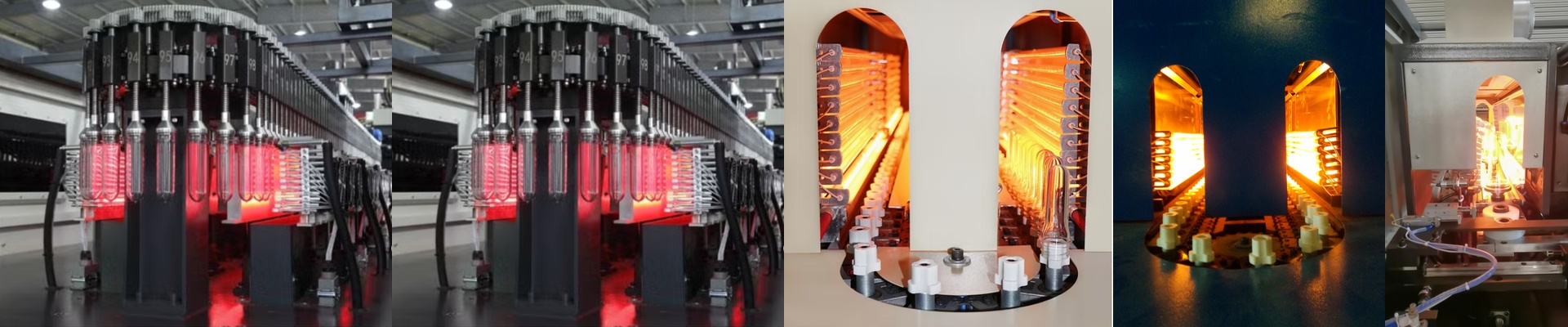
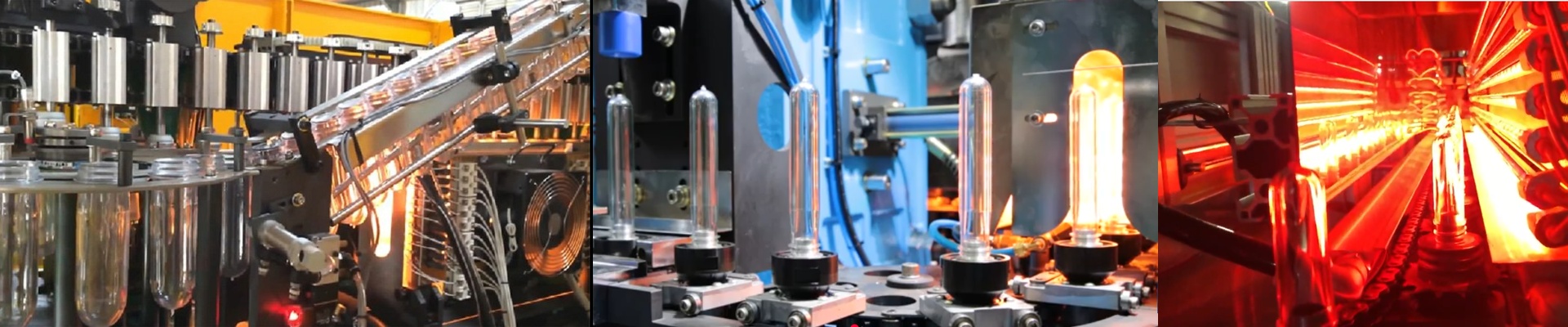
Bathrooms are brutal on electronics. You’ve got high heat and thick steam hitting everything at once. To stop the lamps from blowing out, we seal the tungsten filaments inside quartz glass. If even a tiny bit of steam leaks into the housing, the lamp hits “thermal shock” and dies instantly. That’s why we obsess over the seals. We also added a special coating to the emitter. It makes sure the heat actually hits your floors and walls instead of just warming the air around the ceiling.
A few things to keep in mind
Here’s the catch: these lamps pack a punch. Because they use a lot of power to get that intense heat, you can’t just plug them into a random light switch. You’ll want dedicated wiring. If you don’t, you’re probably going to be tripping your breakers every time you turn the heat on. Plus, you have to be smart about the wattage. If you put too much power into a tiny bathroom, you’ll bake the ceiling fixtures. It’s all about finding that sweet spot based on how big your room is.