



A glass-walled loft sunroom looks great—until the sun drops. Those big windows bleed heat fast, and the room can feel colder than the outdoors. Forced-air heaters try to fight it, but they just stir up drafts, noise, and dust. The cleaner solution is radiant warmth—heat that targets people and surfaces directly.
What matters, technically
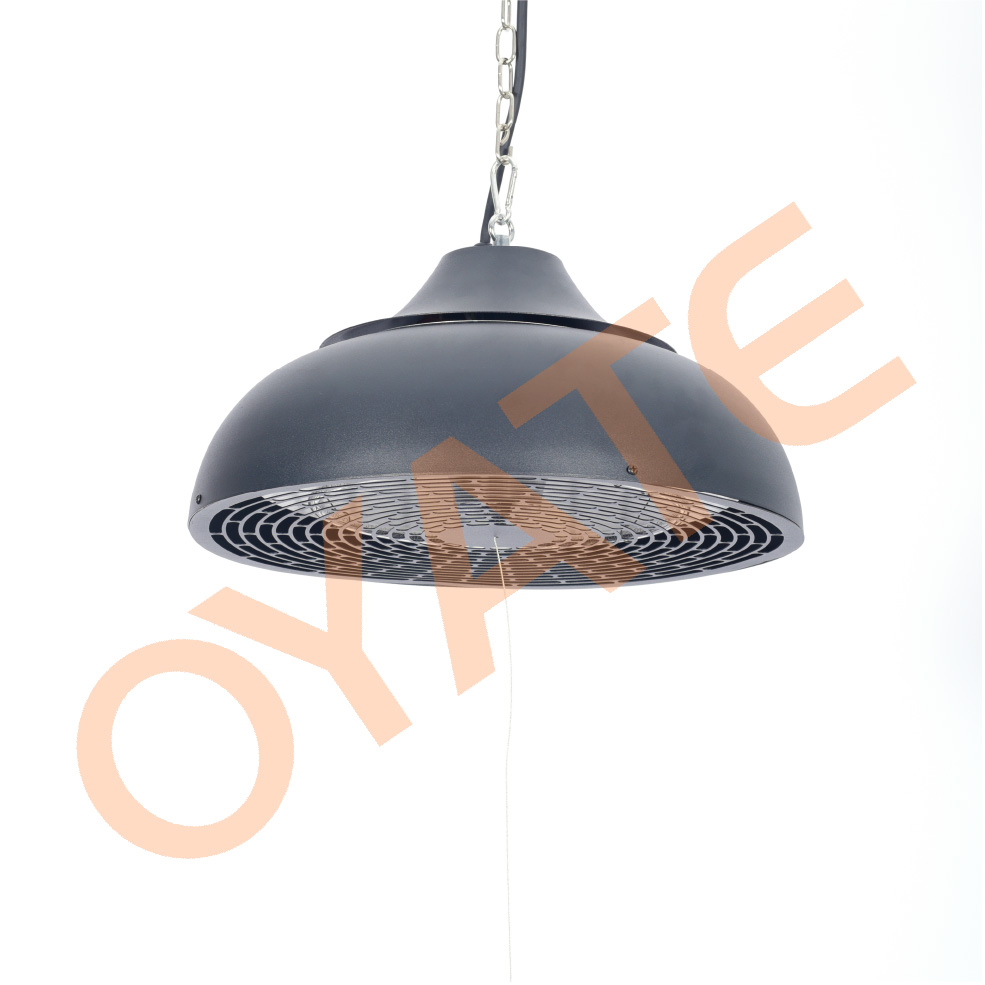
We built this low-noise electric heater around an infrared element, so it delivers radiant heat the way the sun does—no fan. That means quiet operation. The room stays still and settled, not buzzing with that constant background hum. Infrared warmth hits immediately. You feel comfort within seconds of switching it on, not after waiting for air to circulate and warm up. A built-in thermostat keeps the feel steady by cycling the heater to hold the set temperature. In a sunroom, that’s the difference between comfort and chaos as daylight fades and the glass starts to chill. The unit keeps the thermal balance without shouting for attention, so you can read, talk, or work without distraction.
Why it works in this space
With a loft sunroom and all that glazing, heat loss is the real opponent. Air-based heat climbs and then leaks out through the windows. Radiant heat travels in straight lines and warms what it strikes—floors, furniture, you. That’s why the space feels usable sooner, and why the warmth feels more even right there near the glass. Because there’s no fan pushing air, you’re not constantly moving dust and allergens around. The room feels cleaner, especially on long evenings. You also get the practical win: faster comfort on demand, and a heating approach that fits the sunroom’s open, quiet feel.
Things to know
For the best result, position the infrared heater so the beam reaches the main seating area and can reflect off hard surfaces, rather than aiming at one tight spot. It runs on standard household power, so setup is straightforward—just plug it into a dedicated circuit to avoid nuisance tripping. One real-world heads-up: radiant heat feels most natural when surrounding surfaces are reasonably insulated. In a very exposed glass room, you may still notice cooler zones near the windows. Layering in thermal curtains or adding a second unit can smooth that out and make comfort feel consistent.