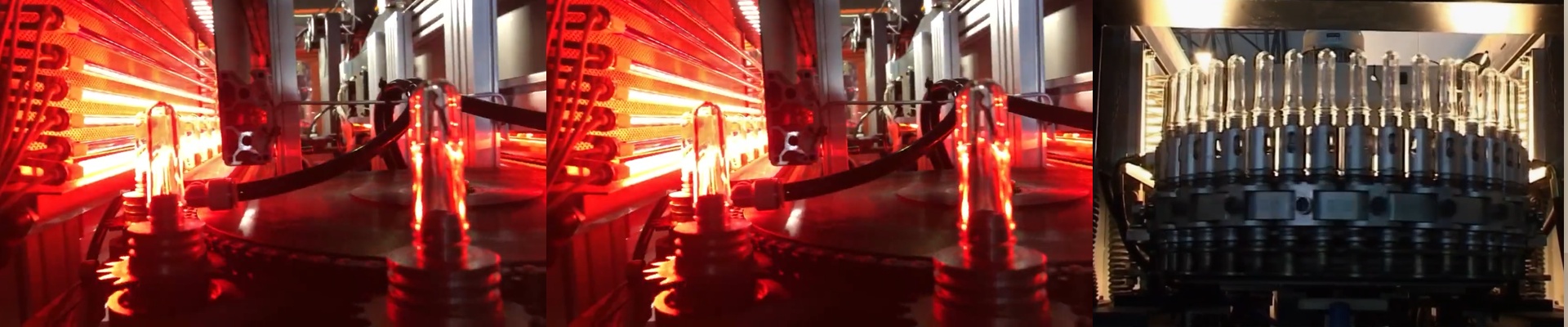
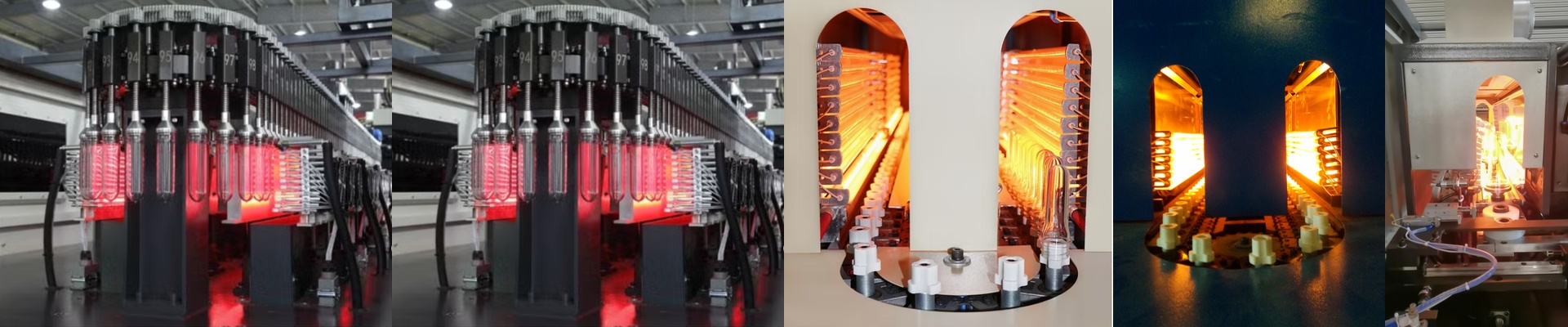
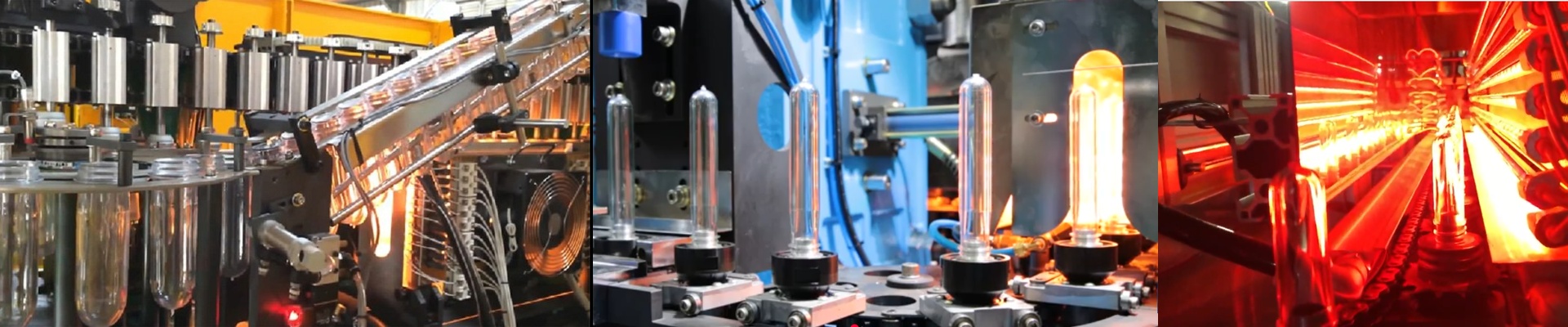
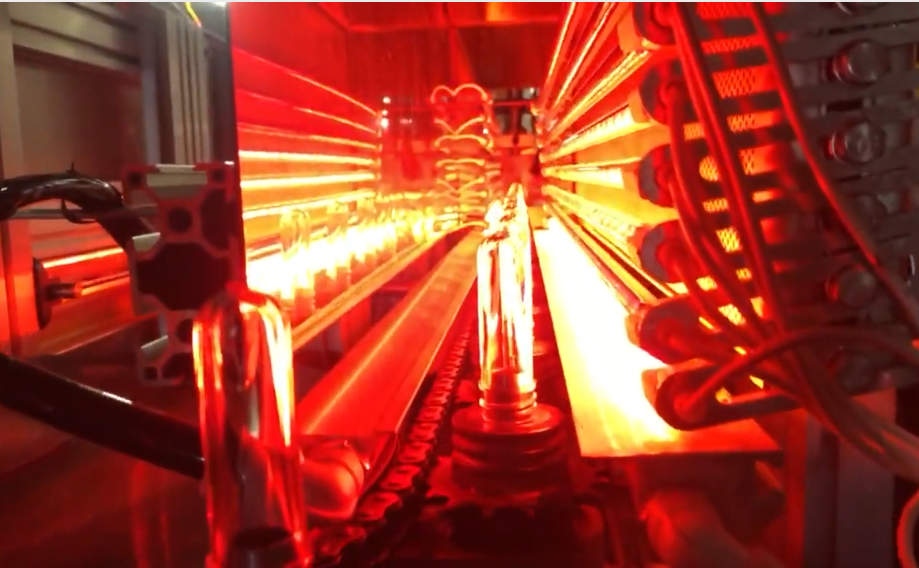
When the Husky HyPET HPP 4.0 is running, the heating tunnel has to hit a tight window—fast, even, and repeatable. A weak lamp doesn’t just slow the line. It lets preform temperature drift, and that’s when you start seeing rejects: brittle bases, blown sidewalls, and bottle weight that’s all over the map. The Husky HyPET HPP 4.0 heater lamp spare is there to keep the heating profile on spec, shift after shift.
Technical Specs: Infrared Power That Matches the Machine
We build this lamp as a direct fit for the Husky HyPET HPP 4.0 heating zones, using short-wave infrared emitters in a quartz envelope. Typical ratings run 2400–3000 W, matched to the machine’s voltage and heater circuit design, with an R7s base for proper mechanical retention and contact alignment. In stretch blow molding, response time matters, and short-wave infrared gives you rapid heat-up and sharp control when the preform surface needs a precise soak. The payoff is repeatable heating with minimal drift, so you can hold cycle time without chasing temperature.
Why It Fits the HyPET HPP 4.0 Line
On the HPP 4.0, preform heating is the gatekeeper for stable output. Our lamp is engineered to OEM-equivalent parameters, so the energy density, beam pattern, and thermal response sit comfortably within the original heating architecture. That translates to fewer temperature swings across the preform, more consistent stretch behavior, and fewer quality alarms. In practice, you get steadier line speed, less scrap, and fewer unplanned stops triggered by heating faults. Energy use stays sensible, too, because the lamp delivers heat on demand and recovers quickly after each cycle.
Installation and Real-World Constraints
Installation on the HyPET HPP 4.0 is straightforward, but the heating tunnel is a harsh environment. Keep reflectors clean and aligned—even a small misalignment can create hot spots and give you uneven preforms. Before replacement, confirm voltage and connector condition; loose contacts or oxidized terminals can cause voltage drop and erratic heating. Plan the swap around scheduled stops, and keep a spare on hand to minimize downtime. Service life will depend on duty cycle and ambient conditions; if you run at the upper end of the temperature setpoint range, lamp life will shorten.