
Introduction
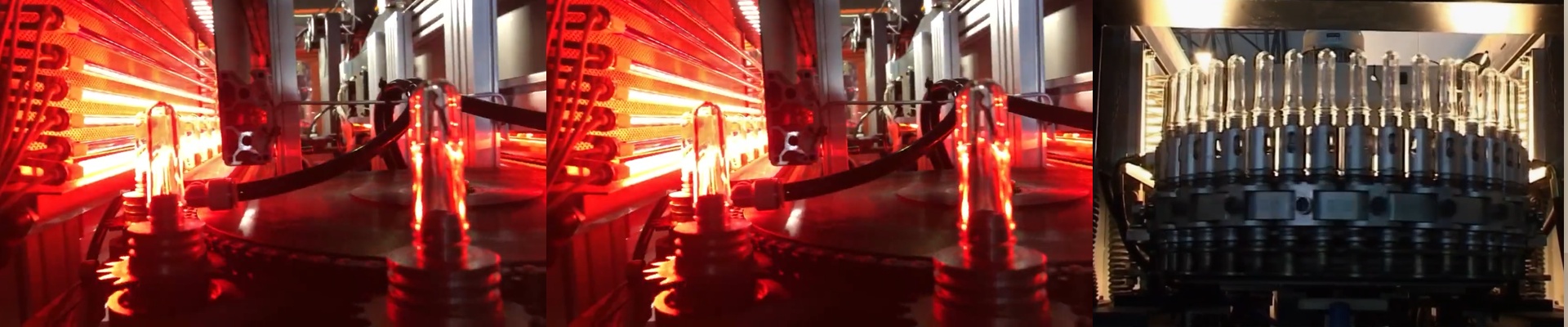
We make plug-in wall heaters for places where you need heat, right now, in one specific spot. Think workshops, warehouses, busy entryways—anywhere that “wait for the system to warm up” is not an option. At the heart of these units is the infrared heating element, and its whole performance hinges on the filament inside. If you’re an engineer on the floor, the quickest way to judge that quality? Just watch how fast the element hits full brightness.
The secret is in the startup
Here’s the thing: an infrared heater isn’t like a toaster. It’s a controlled thermal reaction. Flip the switch, and that element has to go from room temperature to full-on incandescence in a heartbeat. A top-tier filament—high-purity, dense—has low electrical resistance and low thermal mass. So it hits the target temperature in under three seconds. A cheaper, impure one? Higher resistance, more mass. It struggles. Takes 5 to 8 seconds to really glow. That lag isn’t just annoying. It means energy is getting wasted as internal resistance instead of turning into the heat you actually feel.
What we build, and why it works
Our elements use a high-purity halogen-cycle filament, sealed inside a quartz tube. The halogen gas does something clever: it stops the filament from burning out by redepositing evaporated tungsten back onto the hot spot. That keeps the output steady and extends the life. The quartz tube coating is tuned to filter specific wavelengths, so the energy goes where you need it, not just everywhere. And the R7s connector? It’s standard for a reason. It gives you a solid, two-contact connection that handles the high current draw without overheating or causing voltage drop at the joint. No fuss. Just a dependable connection.
Where it shines, and the one catch
This design packs a lot of heat into a small footprint. Perfect for spot heating in a workshop or keeping a doorway warm when people are coming and going. The fast ignition means you get heat immediately, without waiting for a bulky convection system to cycle up. But there’s a trade-off. That power draw is high, so the heater needs a dedicated circuit. If your electrical setup isn’t spec’d for it, you’ll be tripping breakers. We build for performance—you just need to match the wiring.
How to tell quality in seconds
Want to size up a unit fast? Watch the startup. A clean, immediate ignition tells you the element is pure and well-made. A slow, hesitant glow is a red flag—it signals impurities and cheaper materials. That one quick look saves you time and the headache of premature burnouts on the job. We engineer these heaters to be drop-in replacements that can take a beating and keep performing. That ignition speed isn’t a trick. It’s quality you can see, plain as day. When you’re choosing a wall heater, pay attention to how fast the brightness hits. It tells you exactly what you’re getting.