
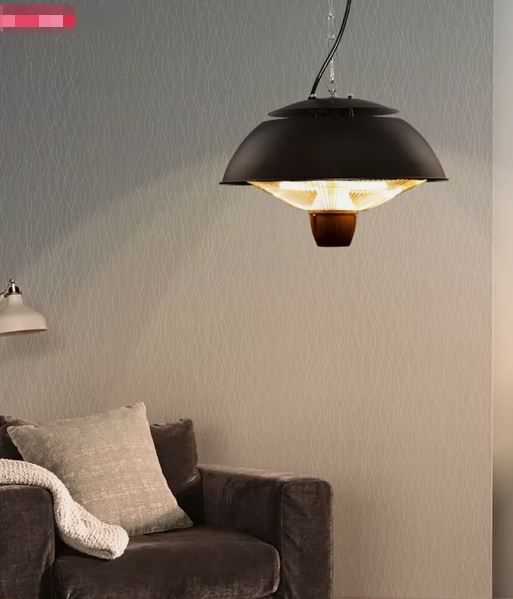
High-Power Infrared Heaters: The Gentle Heat That Guards Art
We built these infrared heaters for the places where warmth isn’t just about comfort. It’s about protecting what can never be replaced. Think art galleries, museums, the spaces where a tiny shift in climate can ruin something priceless. Here’s the beauty of it: the heat is focused. It doesn’t stir up the air. It just lands where you need it, leaving the room calm and the air still.
Power and Precision, Without the Fuss
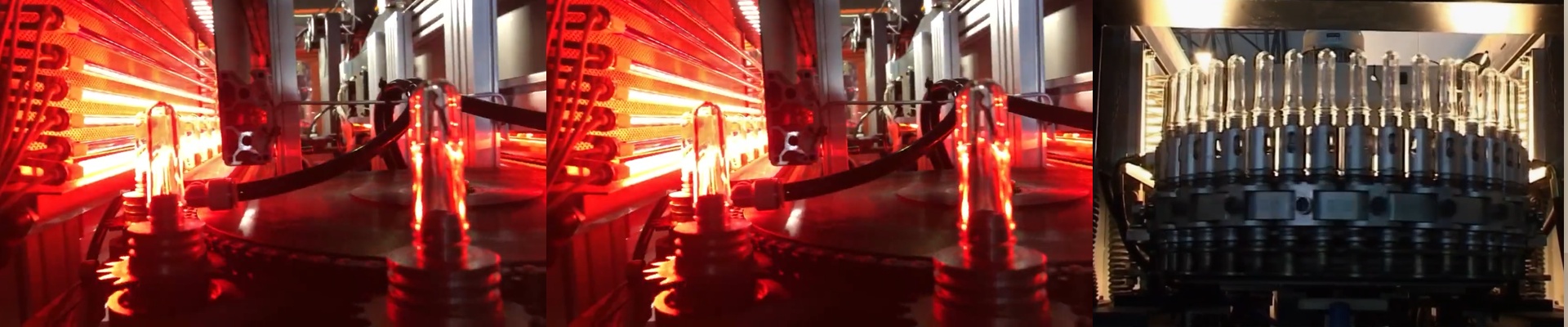
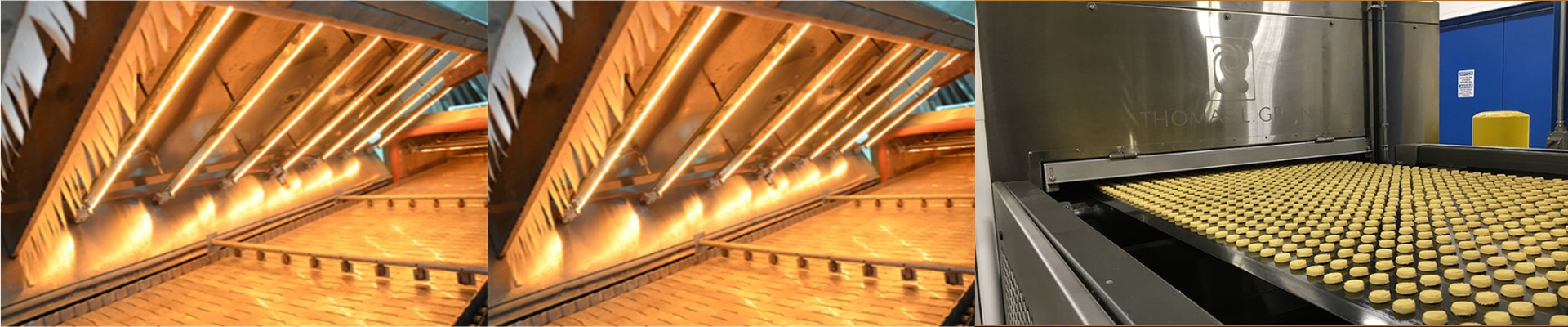
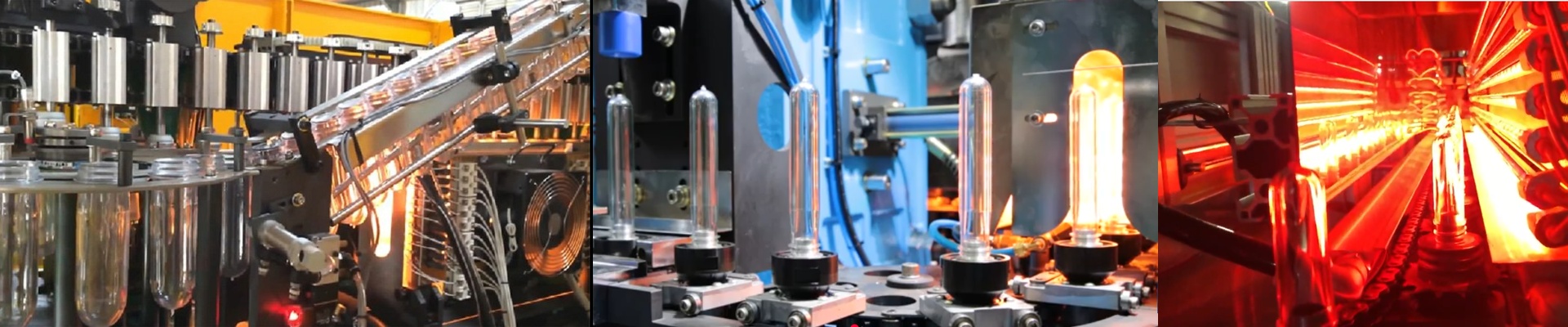
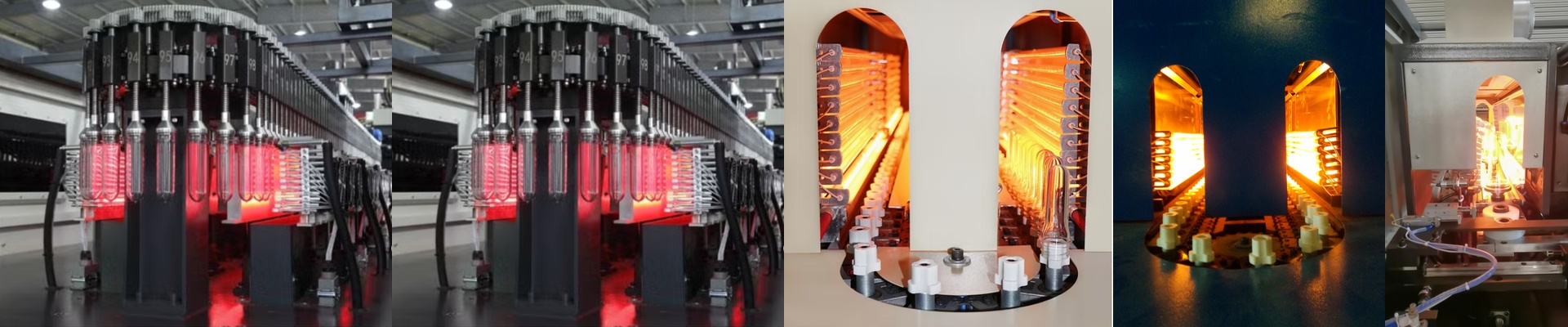
Inside, you’ve got high-wattage halogen elements, usually between 1500W and 2500W, running on either 230V or 400V. That kind of punch means serious heat from a small footprint. And the way it works is almost elegant in its simplicity. The filament heats up fast, sending out infrared radiation that moves straight through the air. You feel the warmth immediately, right where it’s aimed—no waiting, no heating the entire room.
Designed to Keep Things Safe
The heart of the system is a quartz tube holding the halogen filament. Quartz handles extreme heat swings without cracking, and it stays steady through thousands of hours of use. That tube is also coated to filter out UV and longer-wavelength infrared. For museums, that’s essential. It keeps pigments, textiles, and paper safe from harsh light. Wiring is straightforward too, thanks to the standard R7s connector. And the long, slim shape means you can mount it discreetly, where it won’t get in the way of the art.
Why Galleries and Museums Rely on It
Conventional forced-air heating stirs up dust and moisture. Those tiny currents can spell trouble for delicate pieces. Infrared heat sidesteps all of that by warming surfaces and people directly, while the air stays quiet and dry. That stability makes a real difference, keeping the microclimate around each piece steady. Now, one thing to keep in mind: the unit does get hot. So you do need proper clearance and heat shielding when it’s installed. But once it’s in place, it’s the kind of system that just works—reliable, low-maintenance, and easy to fit into what’s already there.