
Any commercial property owner who runs a greenhouse knows the winter shock of the heating bill. Forced-air systems heat the air, not the plants, and they burn energy all night just to fight the next cold snap. When heating performance slips, you see uneven growth, higher demand charges, and a building that falls short on sustainability.
What matters under the hood
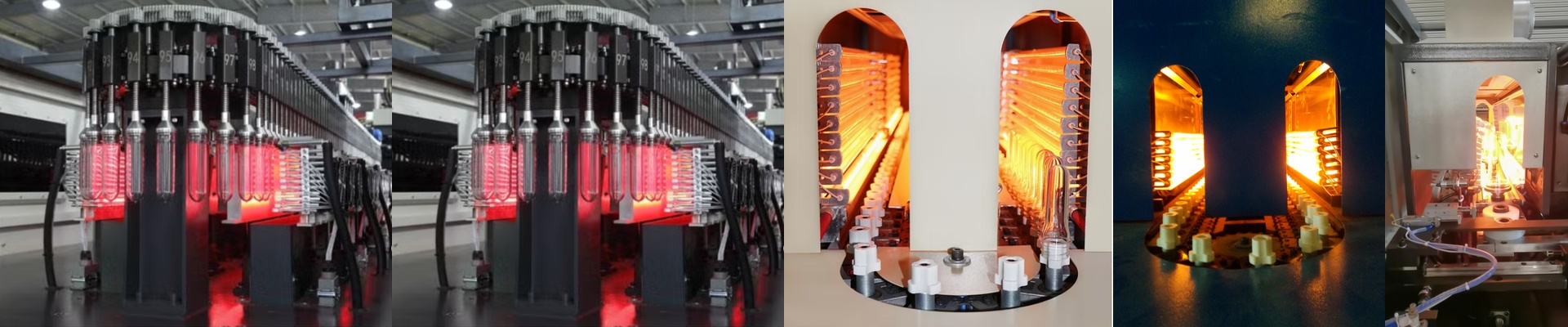
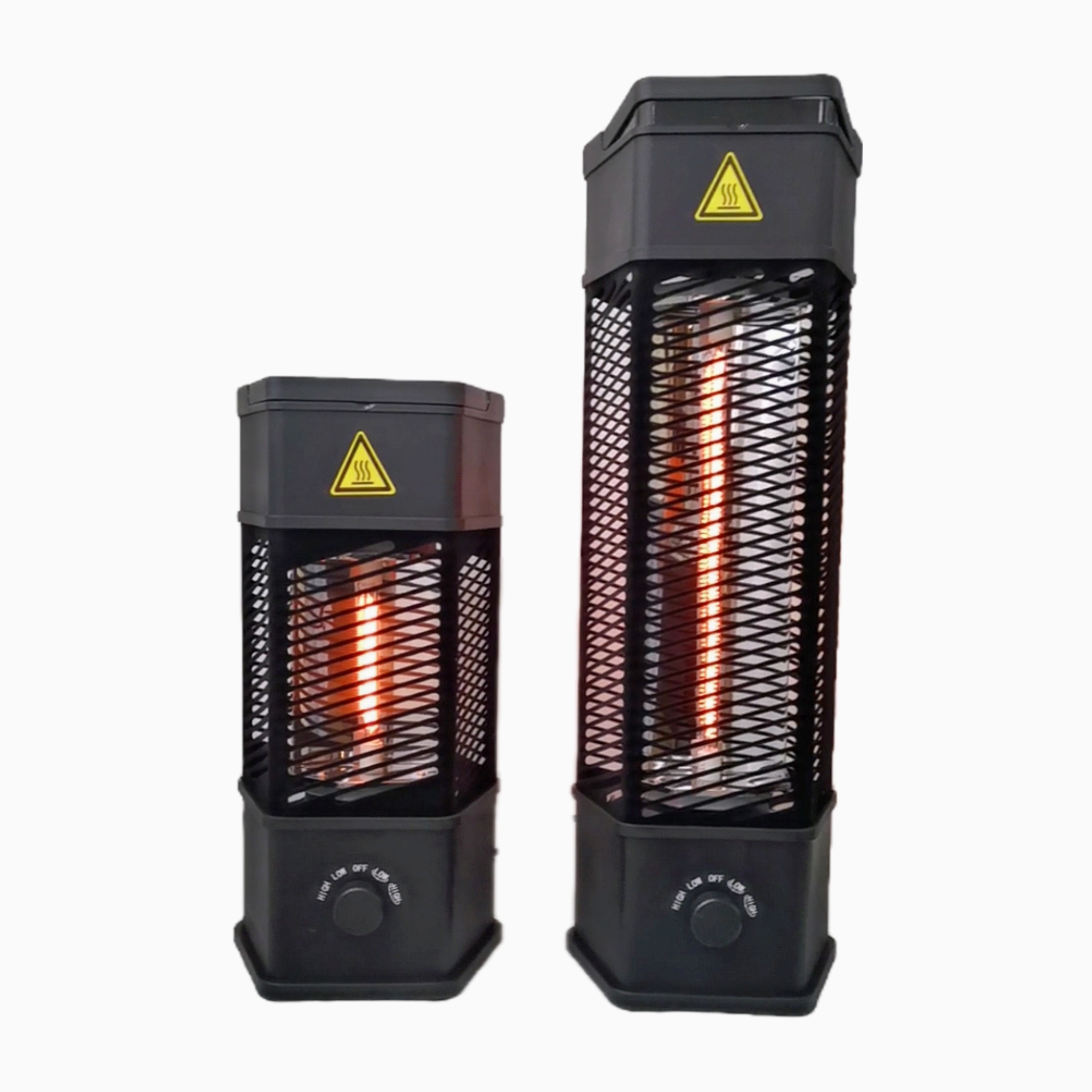
Infrared greenhouse heaters deliver radiant warmth that goes straight to people, plants, and surfaces—without wasting time heating the air first. In practice, that means faster recovery after you open a door or after cloud cover rolls in, and steadier conditions right at the crop line. We build around a medium-wave infrared profile that balances penetration with comfort, using quartz tubes and a reflector array to focus the output where it needs to be. The units run on a standard electric supply, pull predictable loads, and can be paired with simple thermostats or building controls for timed, repeatable operation.
Why this approach clicks in a greenhouse
Greenhouses are designed to capture sunlight, but nighttime and shoulder seasons still demand heat. Radiant heat keeps the thermal mass of beds and benches from cooling too far, so you hold steady growing temperatures without over-cycling equipment. That control means fewer temperature swings, more consistent crop timing, and lower overall kWh compared to air-based heating. For commercial real estate, that energy discipline supports sustainability goals, tightens the building’s operational profile, and strengthens the asset by aligning with ESG expectations.
The practical details that make the difference
Infrared greenhouse heaters are straightforward to install, but placement is everything. You need line-of-sight coverage to the target zone, and you have to get height and spacing right so the warmth is even—not scorching in one spot and cold in another. Plan for a dedicated circuit, and think about control integration early. Thermostat placement should sense plant-level temperature, not what’s happening at the roof. One real-world note: because radiant output depends on distance, coverage area claims assume proper mounting height and a clear, unobstructed path.