


Keeping Bathrooms Warm Without Blinding Your Guests
When you’re designing a heater for a bathroom or a wet area, you’re fighting a constant battle with moisture. Most electrical gear just gives up and shorts out the moment things get humid. That’s why we stick to an IP55 rating. In plain English? It means the housing keeps the dust out and can take a direct hit from a water jet without flinching. But here is the real trick: the water isn’t actually the hardest part. It’s the light.
The “Blinding” Problem
If you’ve ever used a standard shortwave infrared lamp, you know that harsh, piercing glare. It’s aggressive. If you’re bathing a baby or just trying to wake up in the morning, that light is a nightmare for your eyes. We figured out a way to fix that. By tweaking the filament temperature and using a special quartz coating, we basically “soften” the light. We filter out those sharp blue peaks that cause eye strain. You still get that deep, cozy heat that warms you up instantly, but you don’t feel like you’re staring into a spotlight.
How it’s Actually Built
Inside the unit, the heating element is tucked away in a sealed quartz envelope. We don’t mess around with the seals—we use high-grade gaskets and reinforced entries because if even a little moisture leaks into the terminals, the whole thing blows. We also spent a lot of time on the tungsten filament. We shaped it specifically so the heat spreads evenly across the tube. No “hot spots.” That’s important because if one spot gets too hot, the quartz can crack, and then you’ve got a problem.
A Few Tips for Setup
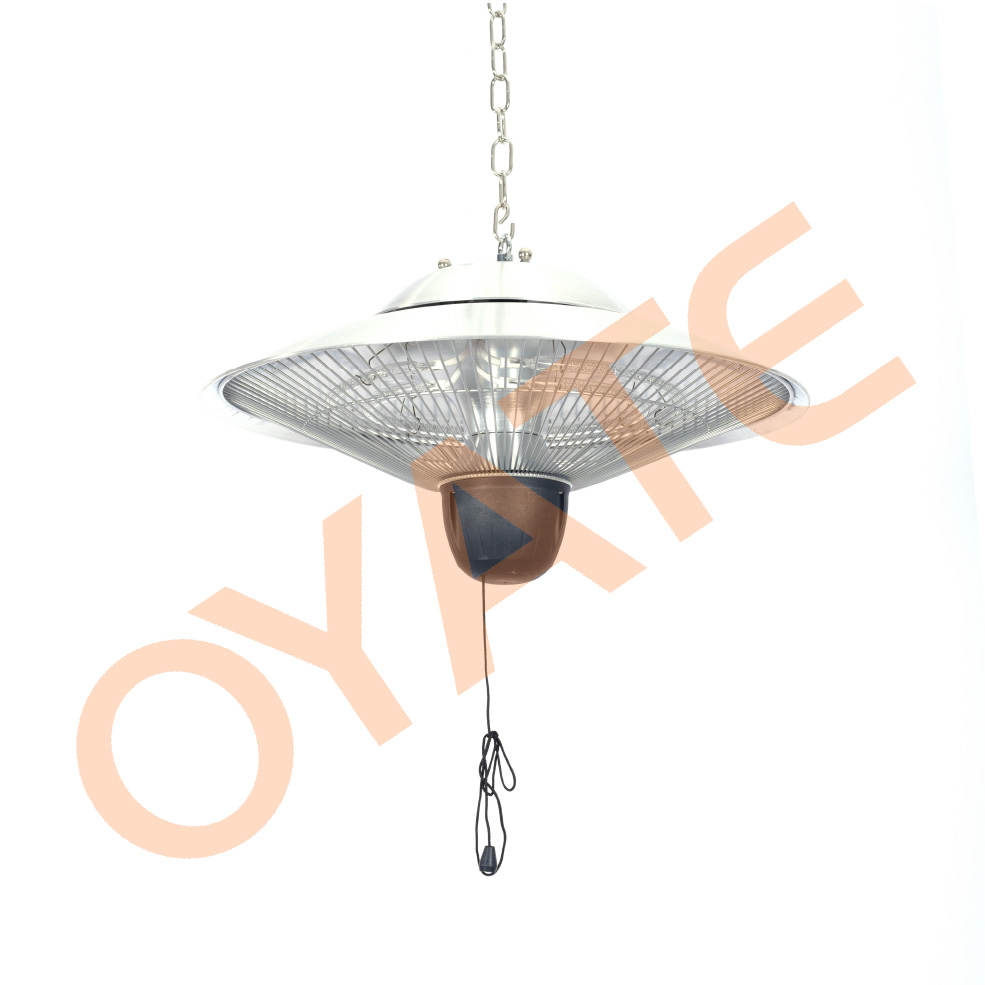
These things are fast. Really fast. Since they heat your body directly rather than trying to warm up all the air in the room, you feel the difference the second you flip the switch. Just a heads-up on the mounting: don’t hang them too low. If they’re too close to your skin, that concentrated energy can go from “toasty” to “uncomfortable” pretty quickly. Check your wattage and give yourself some breathing room. And please, for the love of everything, wire it into a GFCI outlet. Bathrooms and electricity are a risky mix, and that extra layer of safety is non-negotiable.