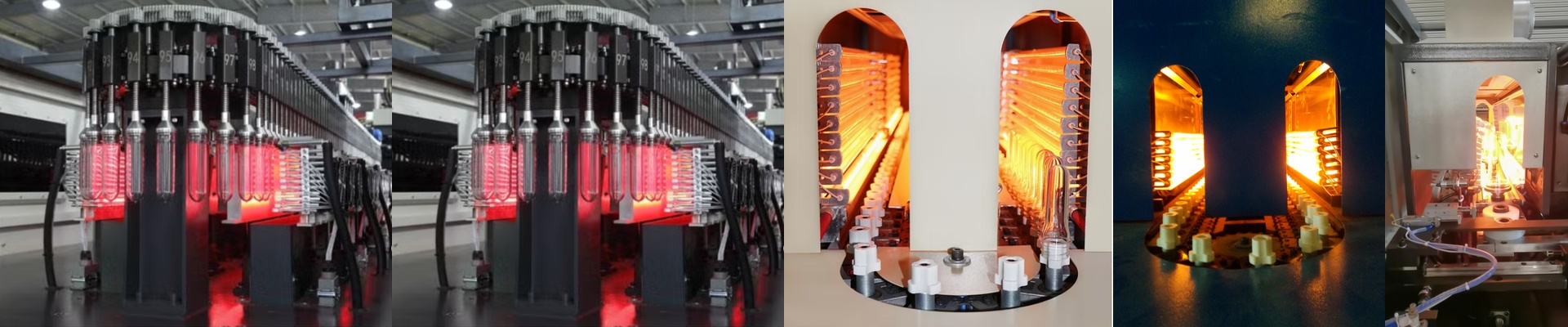
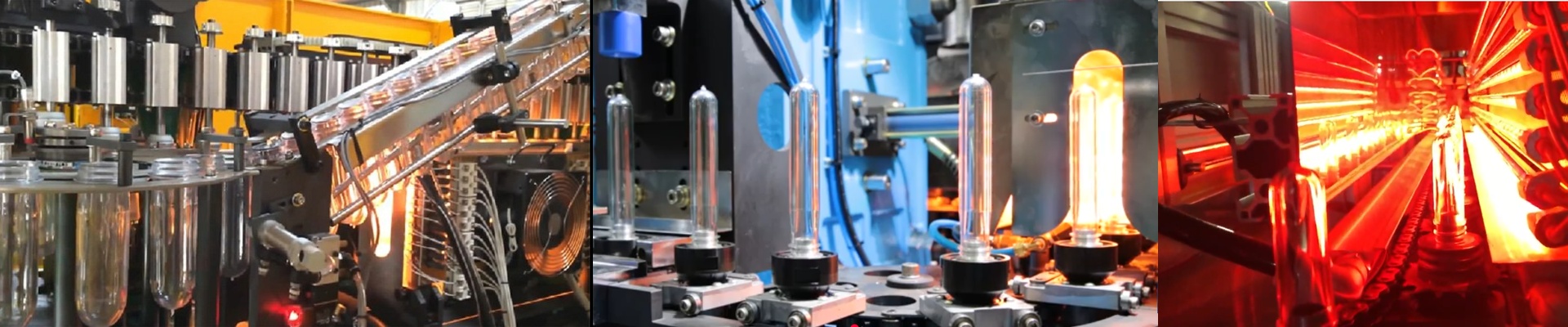
Stop Building Heating Tables That Are a Nightmare to Fix
Most companies obsess over the IP44 rating. They want to make sure moisture and grit stay out, and that’s great. But they forget about what happens five years from now when a heating element inevitably burns out. In those typical sealed units, replacing a single tube is a disaster. You basically have to rip the whole chassis apart just to get to one part. It’s a headache nobody needs. We do things differently. We went with a modular design. The Secret is in the Access Now, an IP44 rating means the table can handle splashes and keep out small debris. Usually, that means sealing everything in a permanent tomb. Not here. We use gasketed access panels and sealed quick-connect terminals. By separating the heating modules from the main frame, we’ve changed the math on repairs. If a tube goes, you aren’t rewiring the whole table. You just pull the module, swap the element, and slide it back in. It turns a few hours of downtime into a few minutes. The Honest Trade-off Here is the thing: modular systems naturally have more potential leak points than one big, welded tank. We can’t pretend otherwise. To fix that, we use high-temp silicone seals. They keep the splash protection intact but still let you take things apart by hand. The only catch? You have to make sure those gaskets are seated right when you put them back, or you’re asking for trouble. Real World Maintenance When you’re actually standing on the shop floor, you don’t want to be worrying about wiring harnesses or complex electrical diagrams just to change a lamp. You just want it to work. Our setup allows for drop-in replacements. Unplug the broken module, slot in a new one, and you’re back in production. It turns a complex electrical overhaul into a simple mechanical swap. Less stress. More uptime. That’s how it should be.