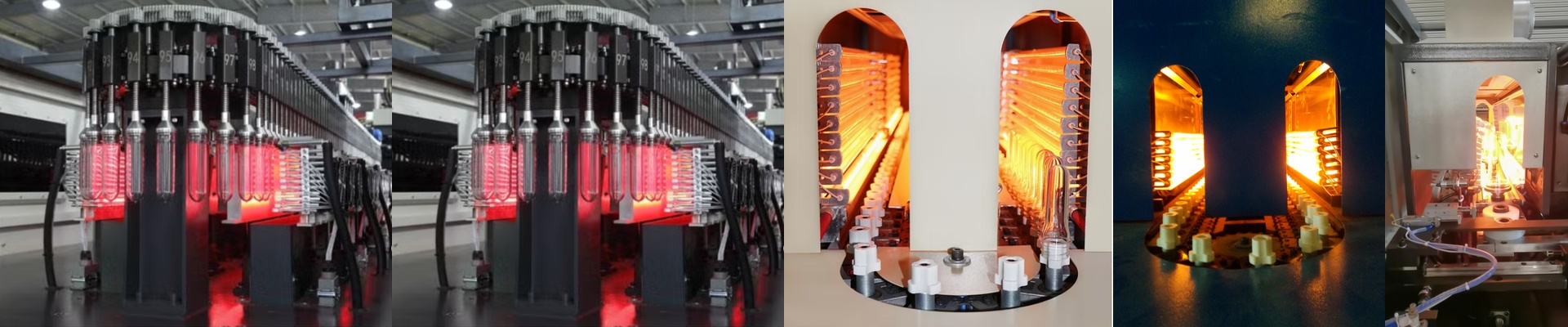
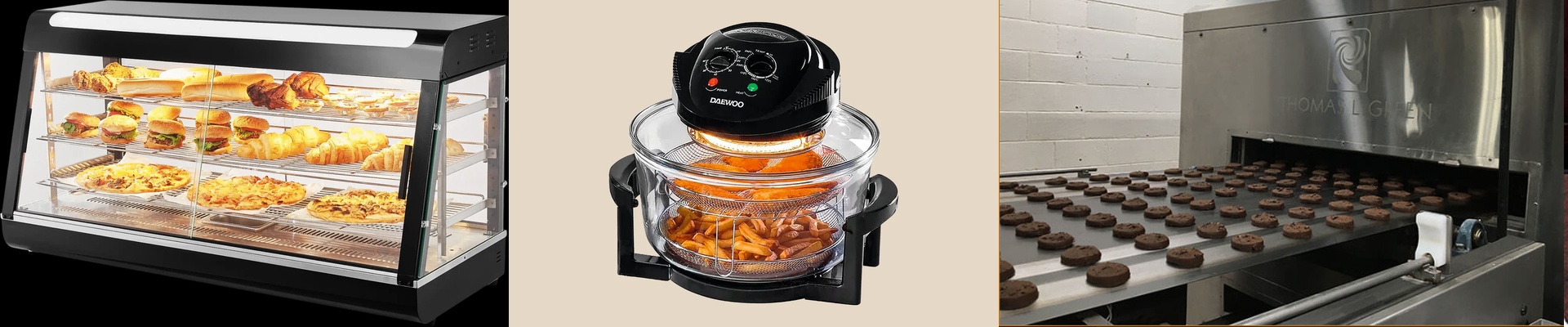
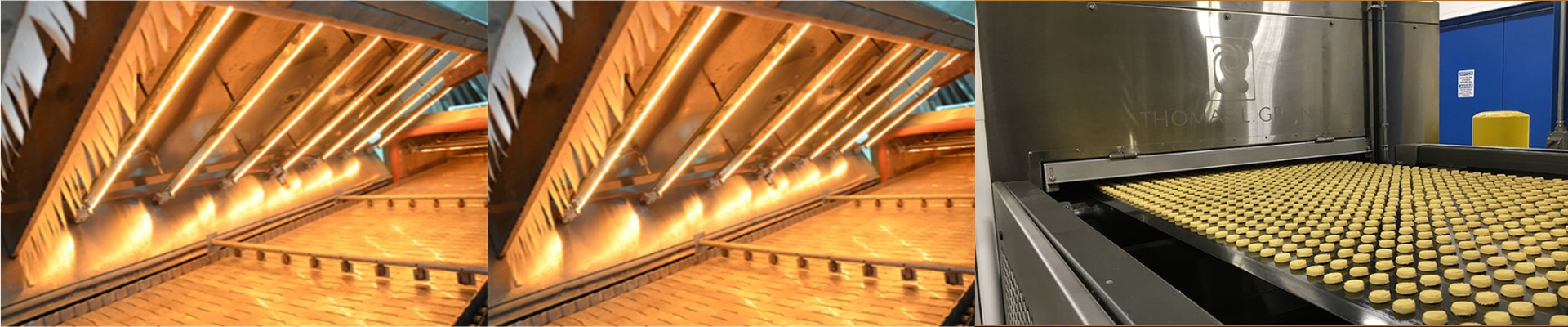
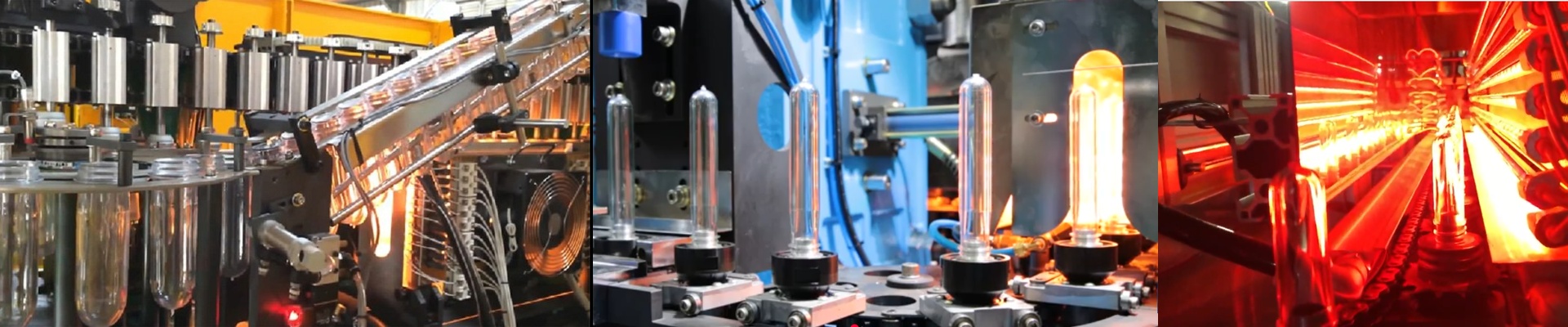
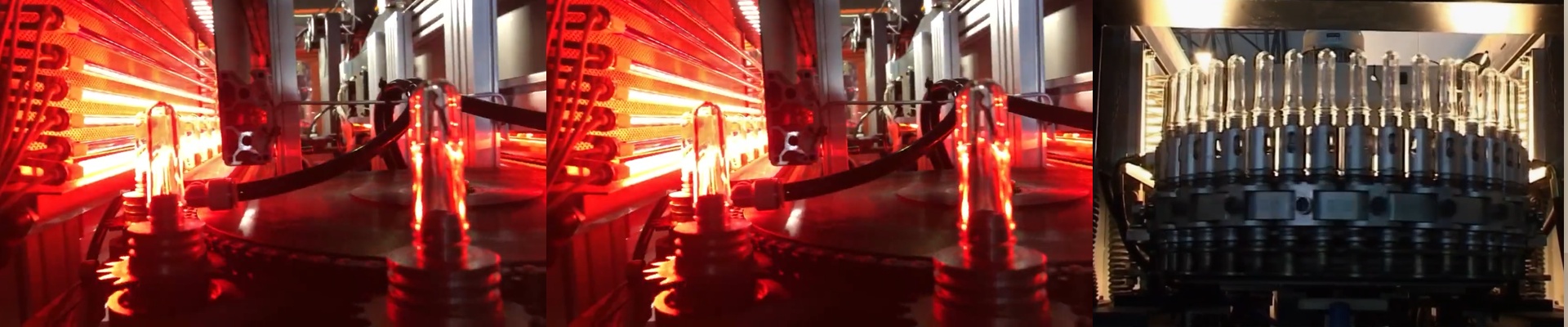
When service hits, you can’t wait around for your deck oven or warming cabinet to claw its way back to setpoint. Slow recovery drags out bake times, kills crust lift, and turns the front line into a traffic jam. We built our infrared heating element for food warmers to cut that lag at the source—delivering heat where it matters, right when you need it.
What’s actually happening under the hood
Infrared throws heat by radiation, not by heating air. Our element runs in the near-infrared band, so it comes alive fast—full power in seconds, not minutes. That snap gives you tighter temperature control across the baking chamber, so your stone hearth or pan deck holds steady even when the doors keep opening and closing. The radiation profile spreads evenly over the target area, which cuts down hot spots and cold corners—the kind that give you uneven browning and spotty caramelization. In practice, you get repeatable results bake after bake, with less tweaking and fewer throwaways.
Why this matters on the line
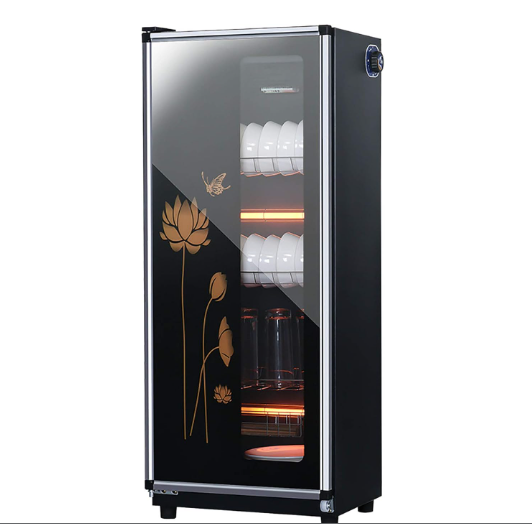
In a busy bakery or pizza line, speed and consistency are the same thing. Fast recovery means faster turnaround between batches, shorter waits at the pass, and a calmer service window. Tight control keeps crust structure and crumb set predictable, whether you’re finishing a bake or holding finished food in a warming cabinet. You’ll also see energy use drop, because the element spends less time idling and less time fighting thermal lag. That lowers the cost per bake cycle without touching your menu.
The details that keep it working
Infrared elements perform best when they’re matched to the oven’s geometry and reflector setup. You have to keep clearances right to run safely and keep the radiation even. These emitters don’t like moisture and harsh cleaning chemicals. Stick to dry air and approved cleaning methods to protect the emitter surface and keep output consistent over time. And before you install, double-check voltage and connector compatibility—otherwise you’re buying downtime.