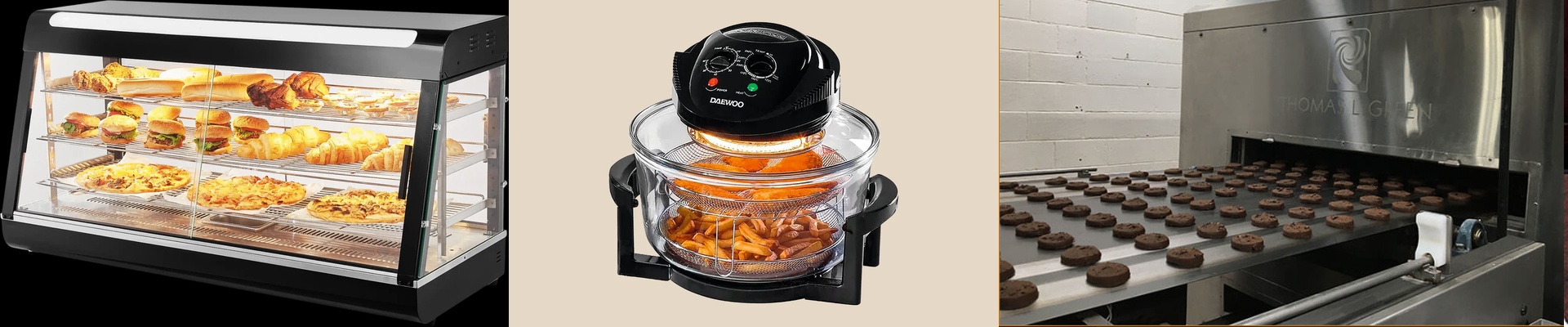
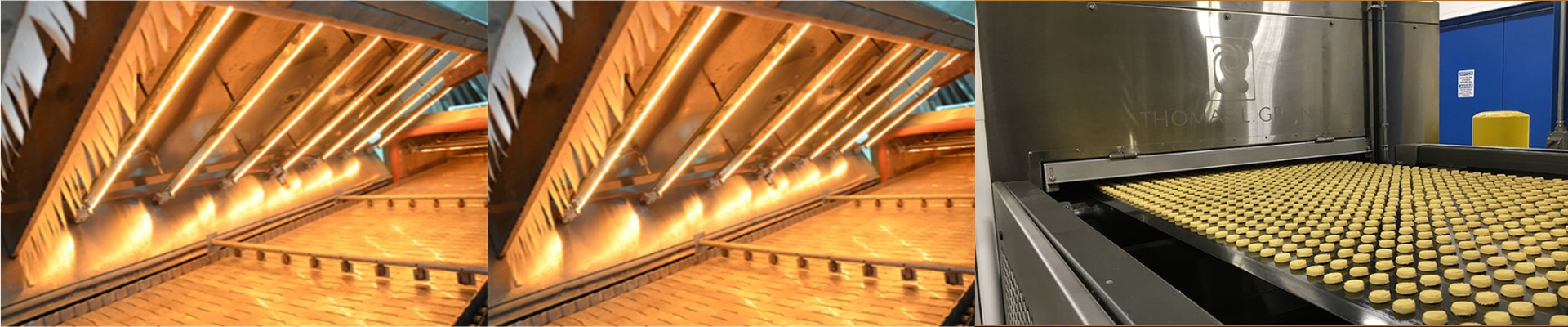
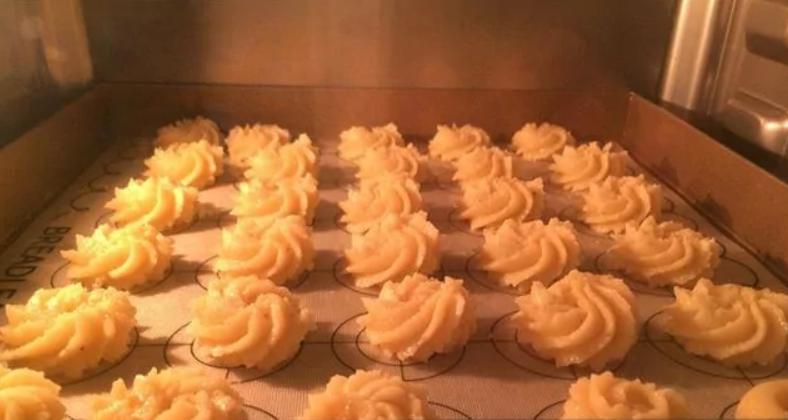
In a busy commercial kitchen, the line never stops. When the heating element starts to drift, production slows, and the output—pretzels, cookies, or mini tarts—loses the crisp bite and even color customers expect. More often than not, the difference between product that moves and product that sits under a heat lamp comes down to the quality of the heat inside the oven.
What matters, technically
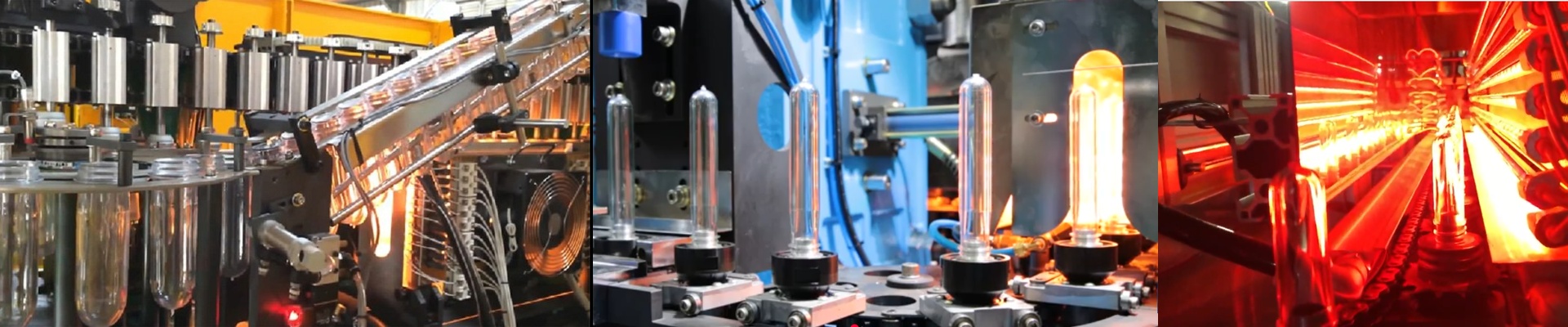
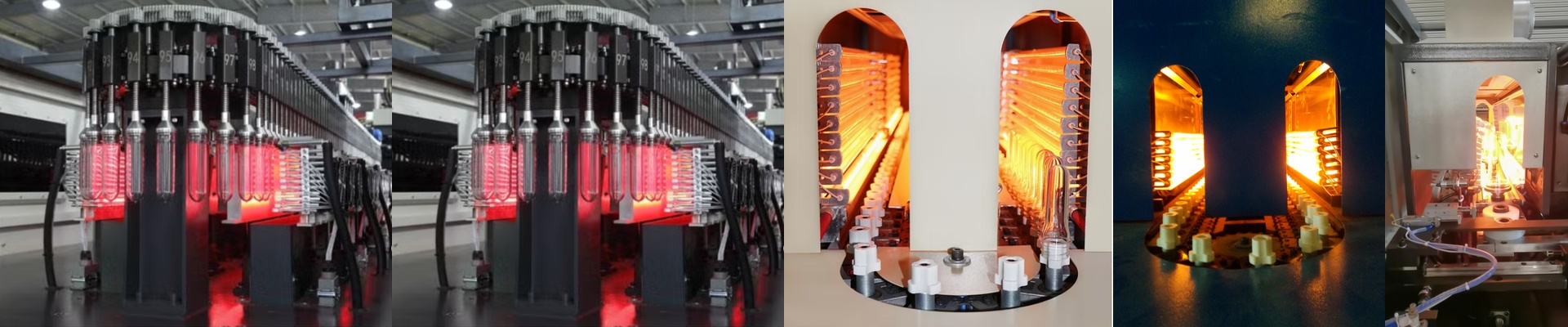
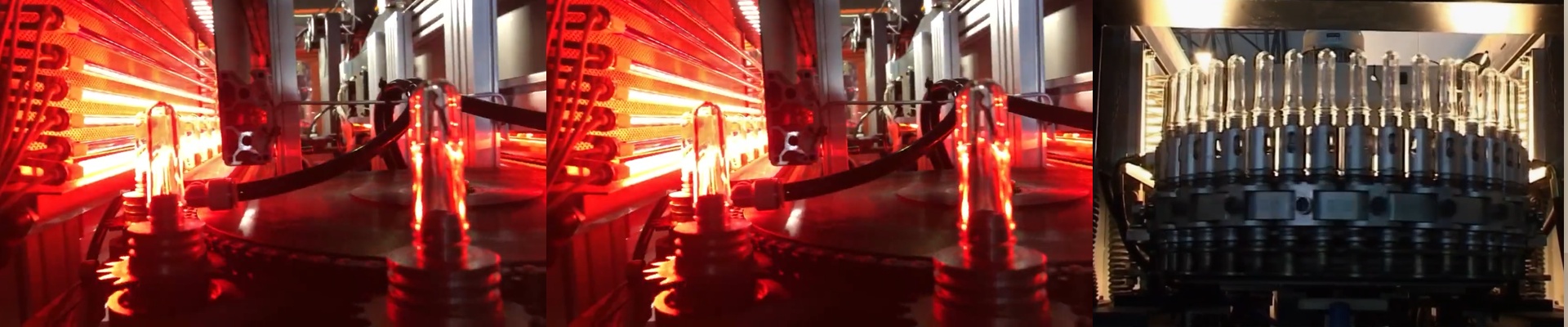
We built this clear quartz snack machine heating bulb around short-wave infrared. It heats up fast and throws heat where you need it. Quartz transmits infrared efficiently, so the energy goes straight into the product, not into heating the oven frame. That gives you a quick, stable temperature curve that supports even baking and controlled caramelization. In practice, the bulb hits operating temperature fast, which shortens bake cycles and keeps the baking chamber more consistent from start to finish.
Why this works in snack production
In snack work, the oven has to deliver the same crust and texture, batch after batch. Short-wave infrared hits the surface first, then works inward. You get a crisp exterior with a tender interior, without drying things out. Because the bulb responds quickly to thermostat changes, you get tighter control over the bake profile. Hot spots shrink, and underdone centers happen less. That kind of consistency means fewer rejects, faster changeovers, and a steadier pace when service peaks.
The practical details
Quartz bulbs perform best when they’re matched to the right voltage and socket type. Keep contacts clean and dry—otherwise you’ll see uneven heating. In high-humidity kitchens, make sure the bulb has proper shielding; moisture will cut service life. Plan replacements around scheduled downtime. And after installing a new bulb, always verify the oven’s thermostat calibration so the heat profile stays true.