
Introduction
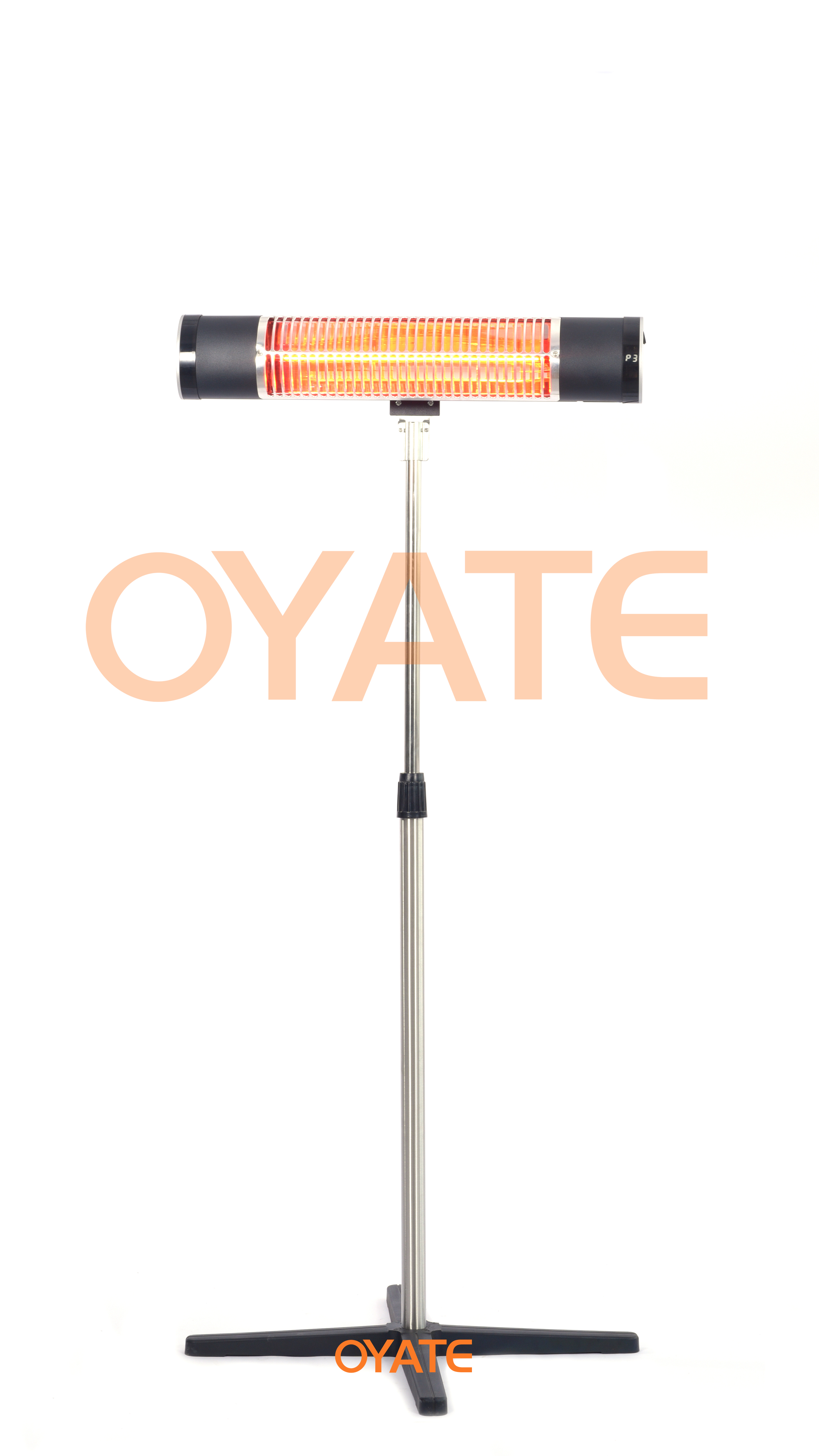
You know that feeling when you’re trying to enjoy your pergola, but the heat just… falls flat? It’s either slow, drafty, or feels impossible to keep running when the weather turns. That’s exactly why we built these waterproof infrared heaters. We wanted something that actually makes outdoor comfort real. Our halogen infrared heaters cut straight to the chase. They send warmth directly where you need it—onto people and surfaces—not just floating around in the empty air. The whole point is simple: get the heat where you want it, fast, and keep it working when the rain starts falling.
The Magic Behind the Warmth
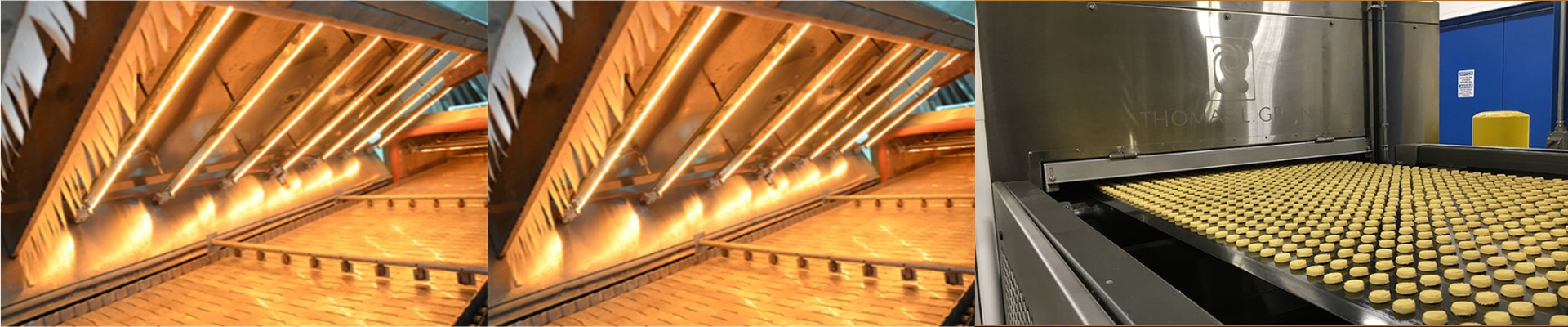
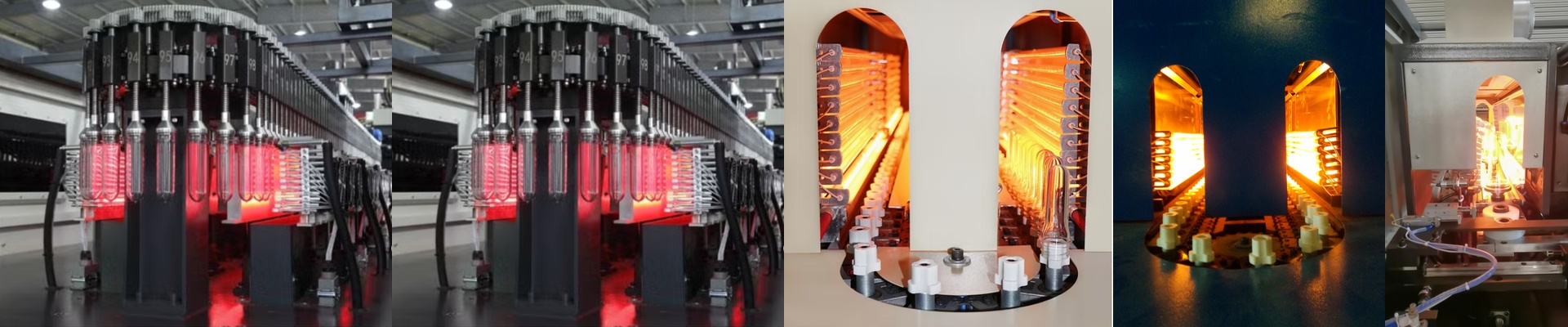
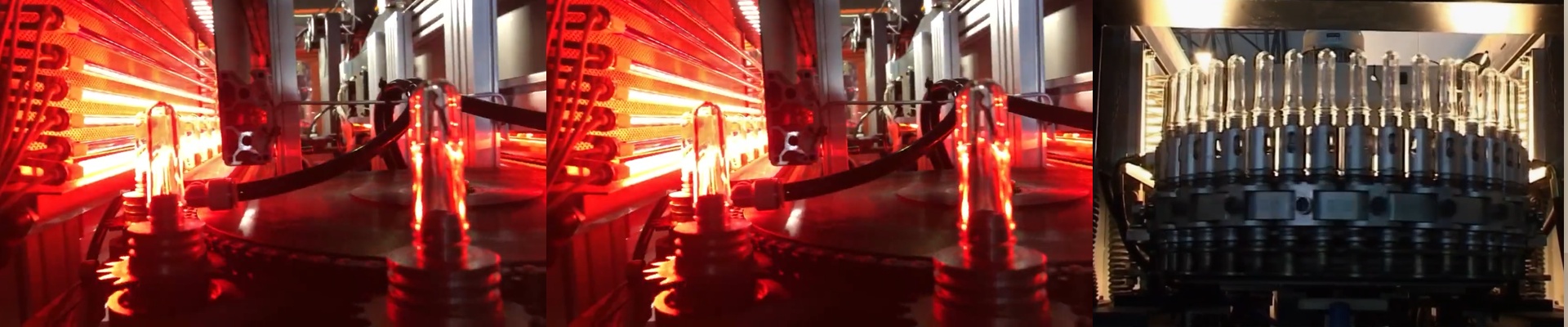
Here’s the thing about infrared heating: it works like a quiet conversation between the heater and the object it’s aimed at. It’s line-of-sight energy. Our tube heaters turn electricity into radiant heat that travels straight to what it’s pointing at—your skin, your furniture, your space. Just like the sun. That means you feel the change almost instantly. Seriously, seconds. No waiting around for a system to warm up. No noisy fans pushing air around. Just warmth, right when you need it.
Power, Voltage, and the Nitty-Gritty
When you’re sizing up a heater, the power and voltage tell the story of what it can do. Our 400V setup packs more wattage into a smaller footprint. That’s huge for pergolas, where space is tight and you don’t want a forest of fixtures. More heat per meter means you get coverage without overcrowding the area. It also means the heater can bounce back quickly after a cold night. But, and this is important, it does mean you need to plan for the electrical side of things. You’ve got to match the wiring, the overcurrent protection, and the mounting clearances to the load. It’s not complicated, but it’s something you need to get right from the start.
What’s Inside, and Why It Matters
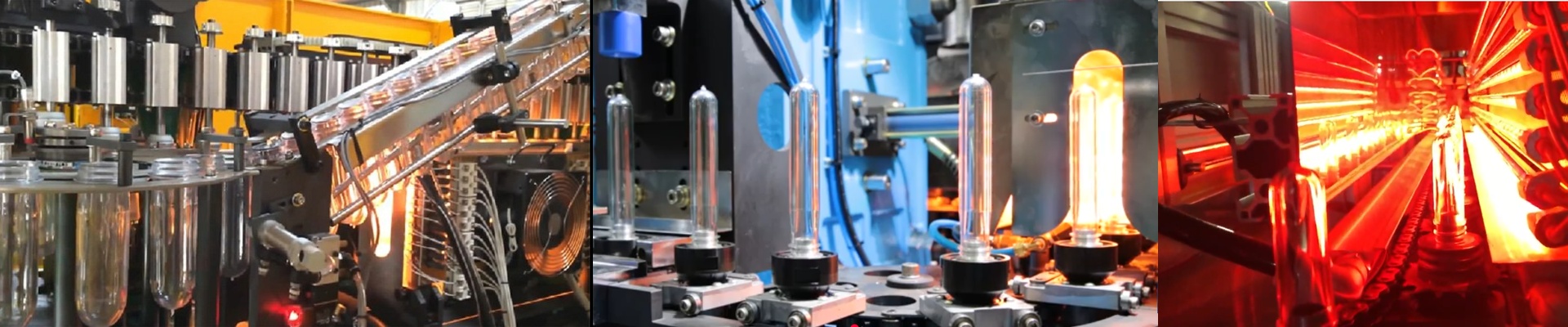
We put the halogen elements inside a quartz tube for a reason. Quartz can handle the high temperatures without breaking a sweat, and it lets the infrared energy pass through cleanly. The halogen cycle is the quiet hero here, too. It helps keep the element performance steady by returning evaporated material back to the filament. That’s what gives the heater its long life, even with all those on-off cycles. And when we say waterproof, we mean it. This isn’t just about adding a gasket. It’s a sealed housing with protected joints, built to keep rain and moisture out. For the installation, we use R7s connectors. They’re common in industrial lamps, so the wiring is straightforward and clean. If you ever need to service it, you won’t be hunting for some custom, hard-to-find fitting.
Turning Your Pergola into a Cozy Spot
On a pergola, these heaters create a focused pocket of warmth. You mount them to aim the heat downward and outward, right across your seating area. So the people sitting there feel the warmth immediately. No more trying to heat the whole outdoor atmosphere and losing the battle. For engineers and installers, the appeal is in the reliability. The unit can take the exposure, responds fast, and works easily with existing electrical plans. There is a trade-off, though. The high heat density means you have to plan for proper ventilation and spacing. You need to make sure you’re not overheating nearby materials. But when you get the spec right, the payoff is huge. You turn a chilly pergola into a space you can actually use, quickly. And you’re not wasting energy heating the things no one ever touches.