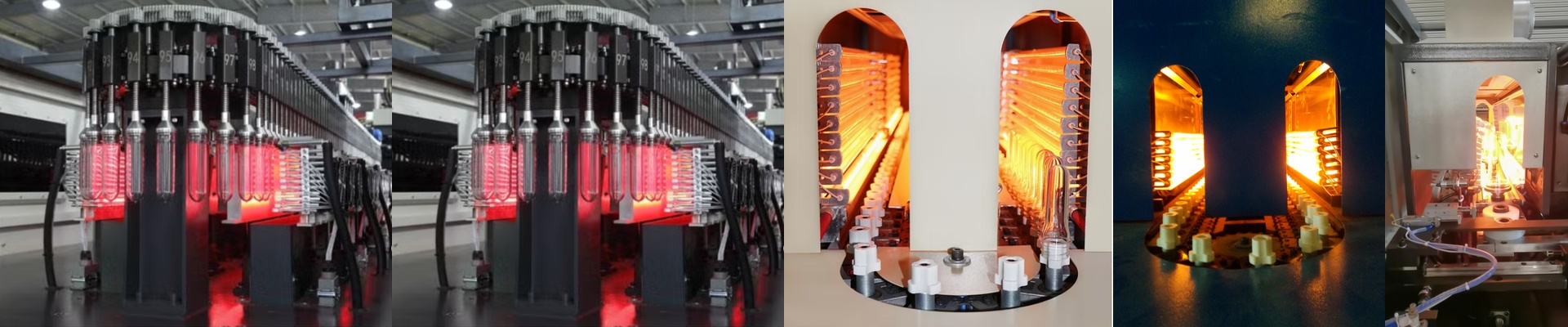
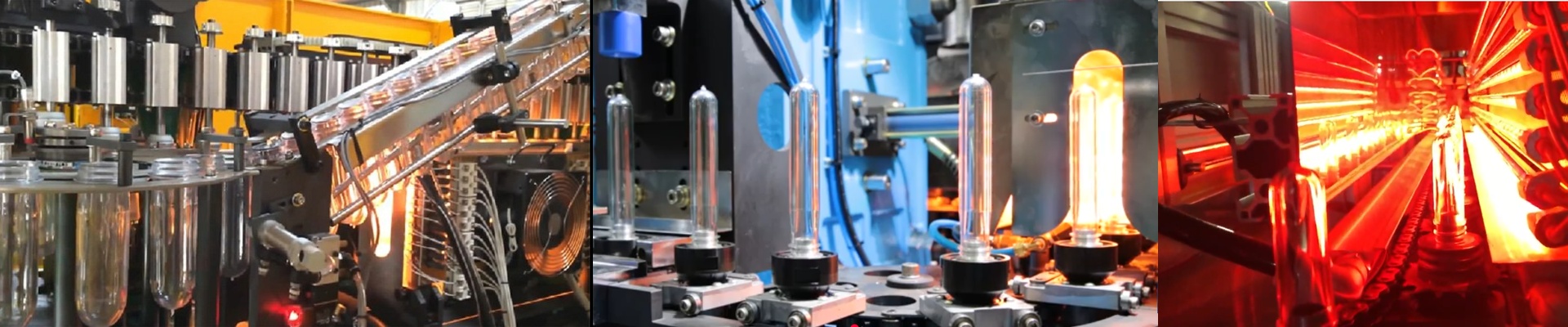
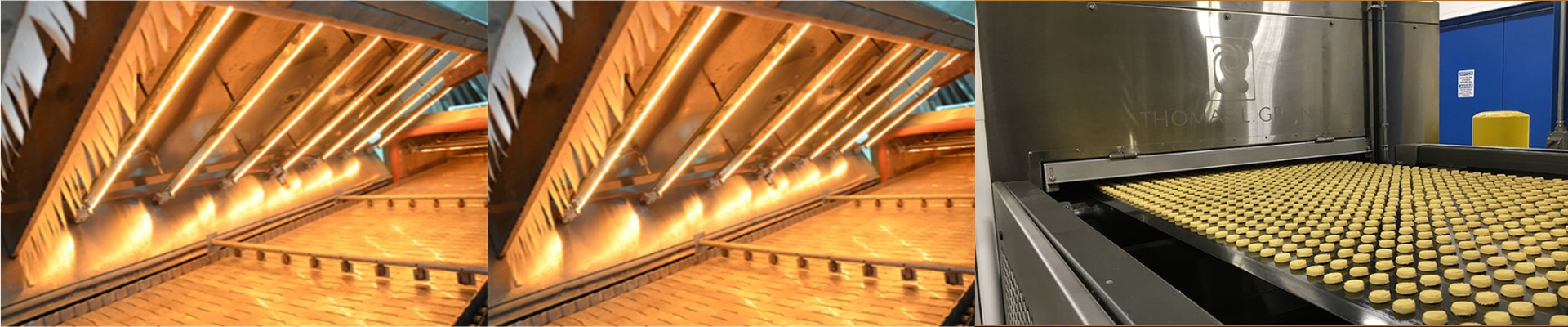
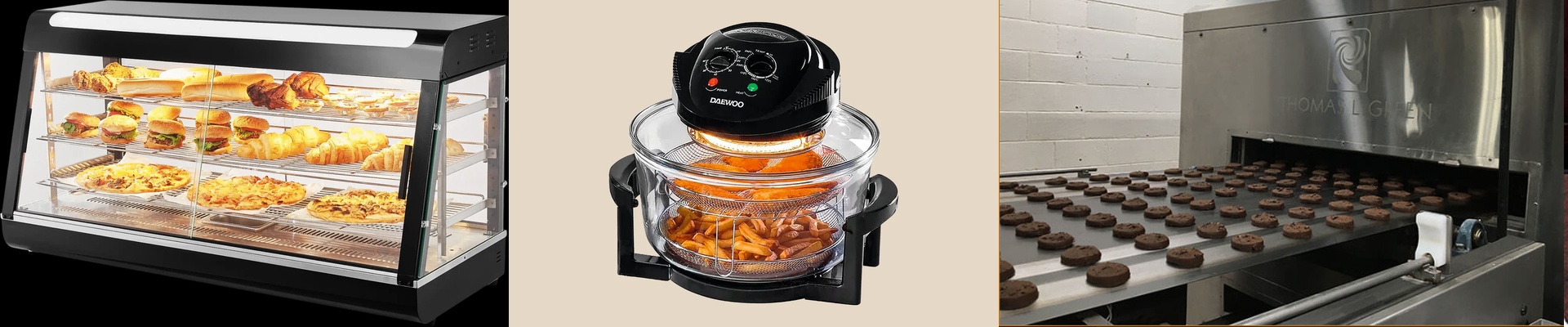
When the lunch rush hits, your griddle has to perform—no excuses. If the heat wavers, eggs slide around, burgers steam instead of sear, and ticket times start slipping. We built our medium wave radiant heater for griddles to keep that surface stable under pressure, turning heat into a repeatable variable instead of a guessing game.
What matters, technically
Medium wave radiant energy hits the steel with surface-focused heat that still penetrates food quickly. That means fast recovery when cold product hits the plate, and far fewer hot/cold streaks across the griddle. You get tight temperature control, and the response keeps pace with back-to-back orders. In practice, that translates to fewer overcooked items, fewer refires, and a more consistent crust and sear. The element profile is shaped to support even coverage, so you’re not chasing hot spots with the spatula.
Why it works in a busy kitchen
The griddle rarely sits idle when service is running. Medium wave heat keeps the energy where it matters—right into the cooking surface—so you can run shorter cycles, hit service temperature faster, and hold quality through the peak. That adds up to more plates per hour, less wasted food, and lower energy use per service because heat is delivered on demand, not held in a heavy thermal mass. It also integrates cleanly into existing griddle platforms, so you can upgrade performance without redesigning the line.
The details you’ll want to plan for
Installation needs clear clearance and proper mounting so the radiant field stays aligned with the griddle surface. Match the heater to your griddle’s power and voltage specs, and make sure the control can hold the setpoint under variable load. Plan for routine cleaning and inspection, too. Grease and carbon buildup on the element face will cut output and shorten service life. And plan replacement access up front—when service calls, you want to swap it out fast.