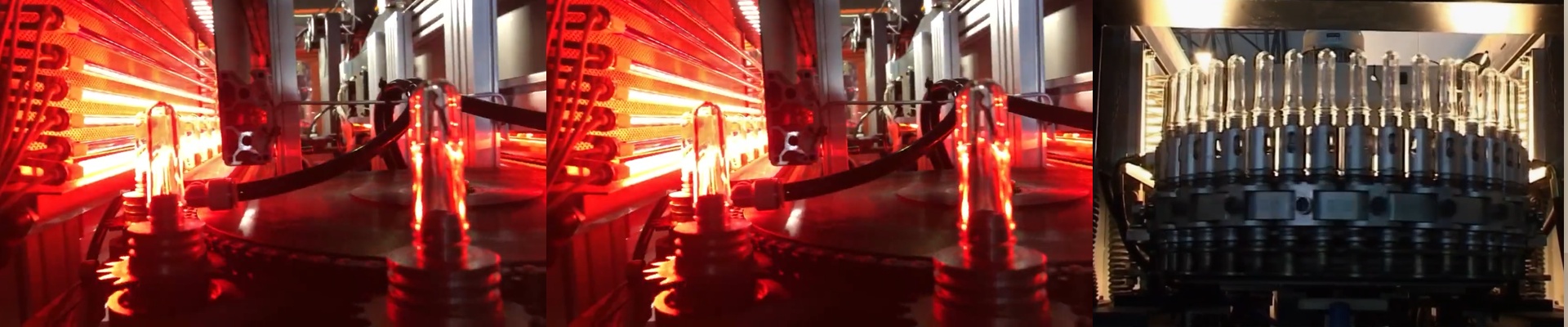
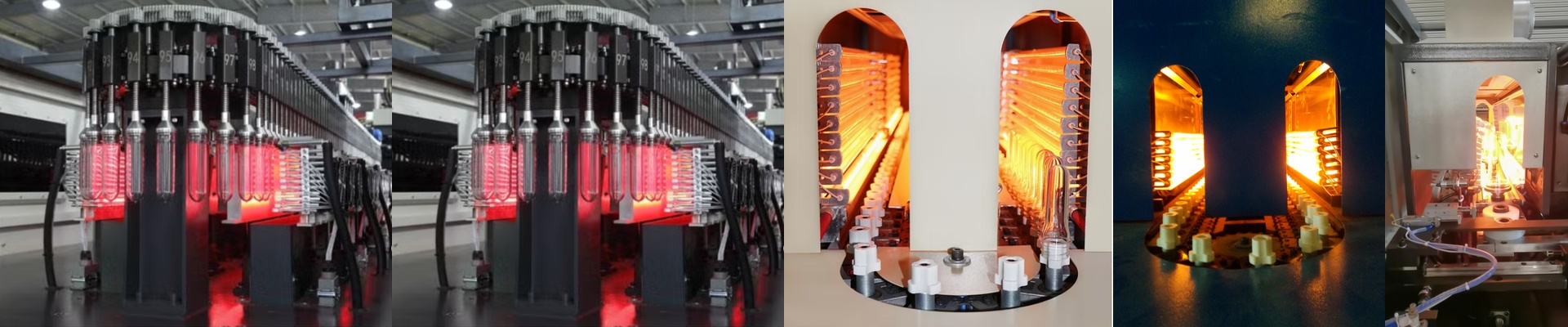

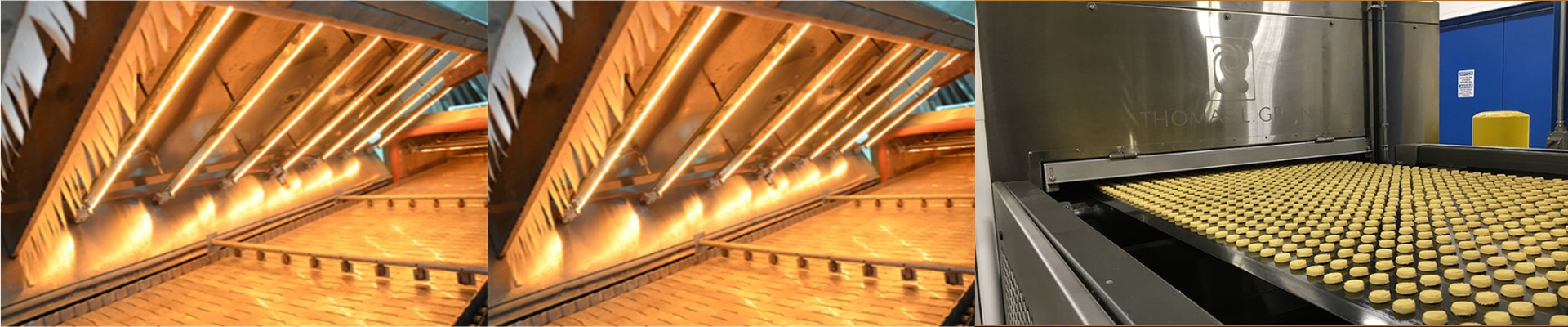

Behind the scenes, our engineers live in an infrared test lab—tuning the spectrum, checking response time, and running cycles until the heat hits fast and even. We built this routine because outdoor comfort can’t wait around for a heater to “warm up.” It needs to switch on and deliver usable warmth within seconds, whether you’re running a 12V system on a small deck or a 24V setup on a larger patio.
What matters, technically
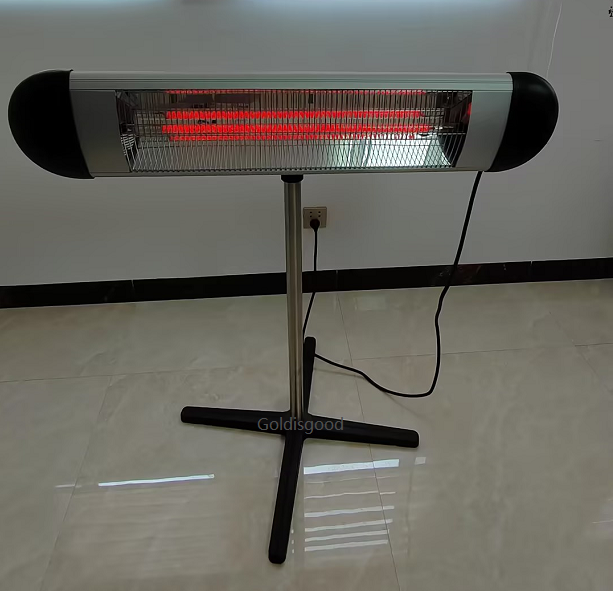
We build our 12V and 24V electric heaters around radiant infrared warmth, sending heat straight to people and surfaces instead of trying to warm the air. That’s why you feel comfort immediately, even when a breeze keeps the air feeling chilly. Inside, a high-efficiency element—typically a carbon fiber or quartz-based core—gives stable output with quick thermal response, and we pair it with a thermostat for steady, repeatable temperature control. Voltage choice is practical, not theoretical. A 12V electric heater is the clean fit for compact, low-draw setups. A 24V electric heater can handle longer wiring runs with less voltage drop, so it’s the smarter pick for bigger outdoor layouts. Either way, these are true outdoor electric heaters: sealed housings and weather-resistant materials built to deal with moisture, dust, and temperature swings.
Why this approach fits real outdoor spaces
You feel this kind of heat the moment you step under it—no waiting, no drafty air movement, just a clean wave of warmth. In the lab, repeatability is what we chase. Out in your yard, it’s what makes the difference: dinner stays comfortable, conversations stretch out, and the space feels usable earlier in the season. Because infrared warmth targets bodies and furnishings, you get comfort without as much wasted heat rising upward. That makes these heaters a natural for open patios, covered porches, and semi-enclosed outdoor rooms—places where forced-air heating tends to fall flat.
The details that make it work
Plan the circuit properly. A 12V heater pulls higher current for the same wattage, so wire size and fuse protection matter—especially on longer runs. A 24V heater generally runs cooler through the wiring and is more forgiving over distance, but it still needs properly sized conductors and a dedicated circuit. Mounting location is just as important. Keep the heater at a safe height and angle so nothing nearby gets direct contact, and check the IP rating to make sure the model matches your exposure to rain or wind. For best results, pair the unit with a quality outdoor-rated thermostat and follow the included spacing and clearance guidance. We design for comfort you can rely on—and we test it that way, one measured cycle at a time.