

Walk into a cold garage on a winter morning, and the air hits you. Flip on an infrared heater, and the warmth lands on your skin almost immediately—no waiting around, no drafts. That quick comfort isn’t luck; it’s radiant heat doing what it does best.
What’s actually going on under the hood
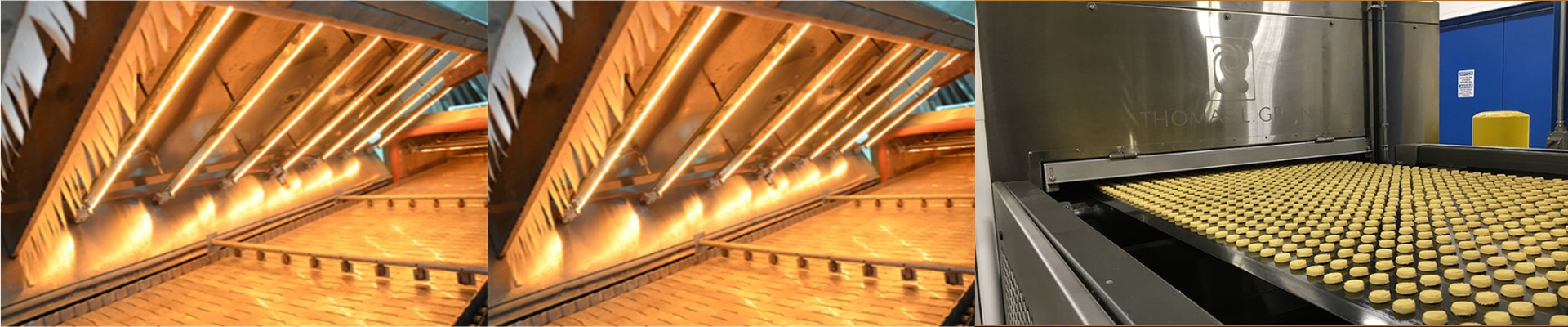
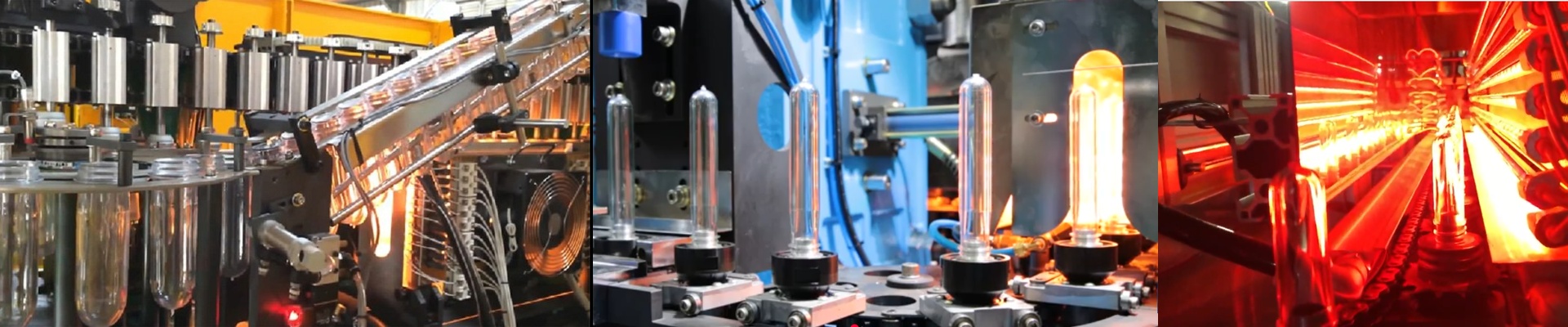
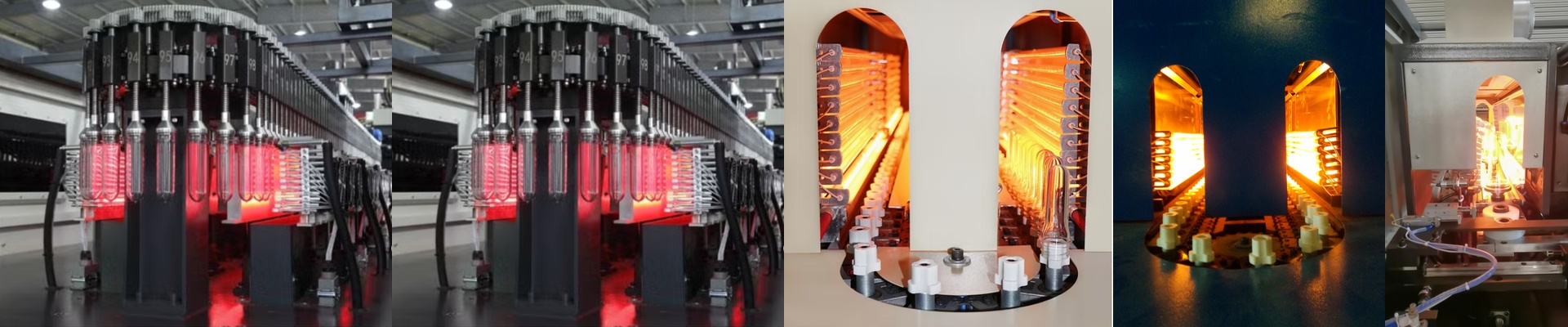
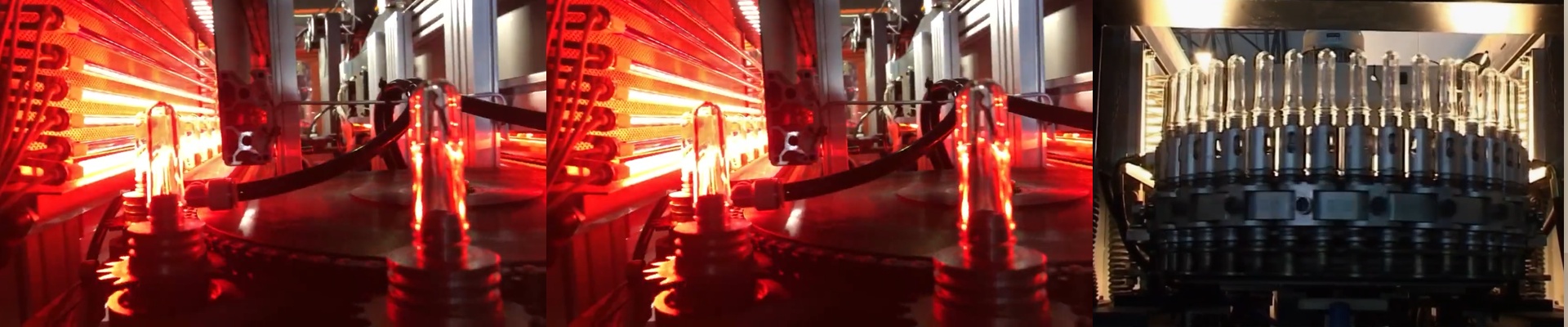
Infrared heaters warm objects and people directly, not the air around them. Inside, a quartz tube or a carbon fiber element glows and throws off short-wave or medium-wave infrared energy—think of it as the same kind of warmth you feel from the sun. The payoff is simple: you feel heat within seconds, even when the room air is still chilly. A portable fan heater works differently. A compact motor spins a fan across a heating element and pushes heated air into the space. Look for models that pair a 1,200–1,500 W element with a quiet fan and a built-in thermostat. In practice, that wattage can bump up the temperature in a small room quickly, while the thermostat keeps things from swinging too far one way or the other. For safety, tip-over protection shuts the unit off if it gets knocked over, and overheat protection cuts power if internal temps climb too high.
Why this combo makes sense in real-world spaces
In a workshop, garage, or covered patio, the goal is straightforward: get warm fast and get on with the work. Infrared gives you immediate radiant warmth, so you stop shivering the moment you hit the switch. The portable fan heater adds air movement that helps spread warmth more evenly, cutting down on cold spots and keeping hands and feet comfortable. Put them together, and you spend less time waiting for the space to feel usable. You also get flexibility: move the portable unit wherever you need it, and lean on infrared when you want direct, draft-free heat on your body.
Practical details you’ll actually care about
Infrared heat is directional, so position the heater so the beam lands where you stand or sit. The portable fan heater needs stable, level placement and enough clearance around the air intake and outlet. For outdoor use, choose units with the right IP ratings for moisture and dust. One trade-off: forced-air units make a low fan sound. It isn’t loud, but in a very quiet setting, you’ll notice it. That small noise is the price you pay for fast, adjustable warmth when the temperature drops.