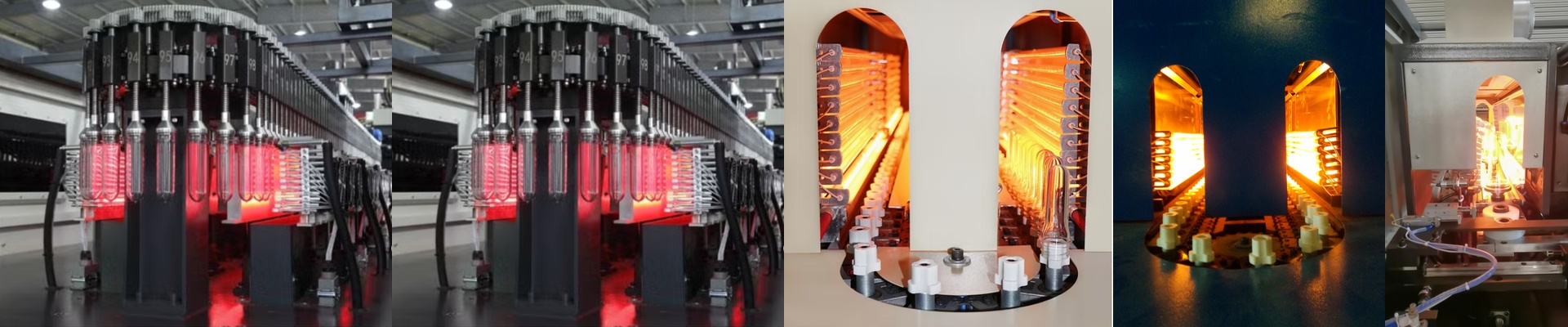
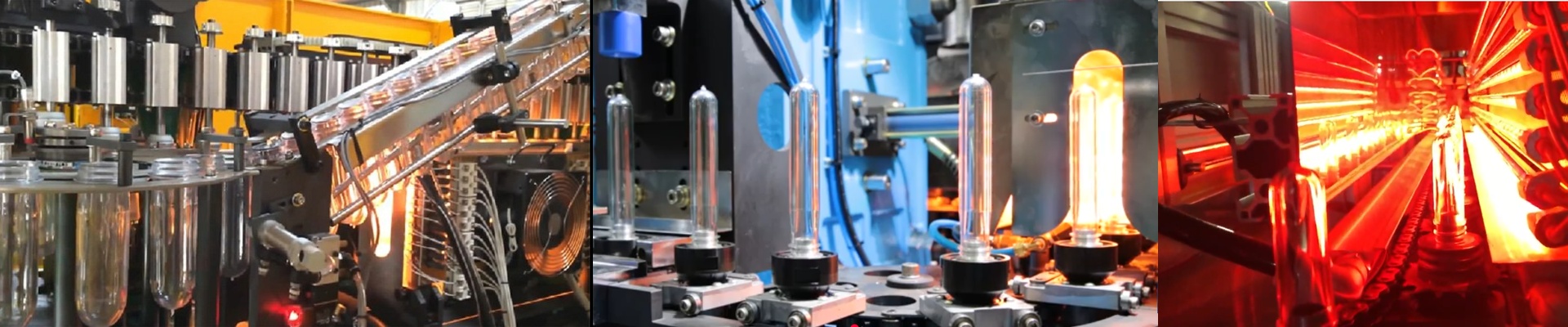
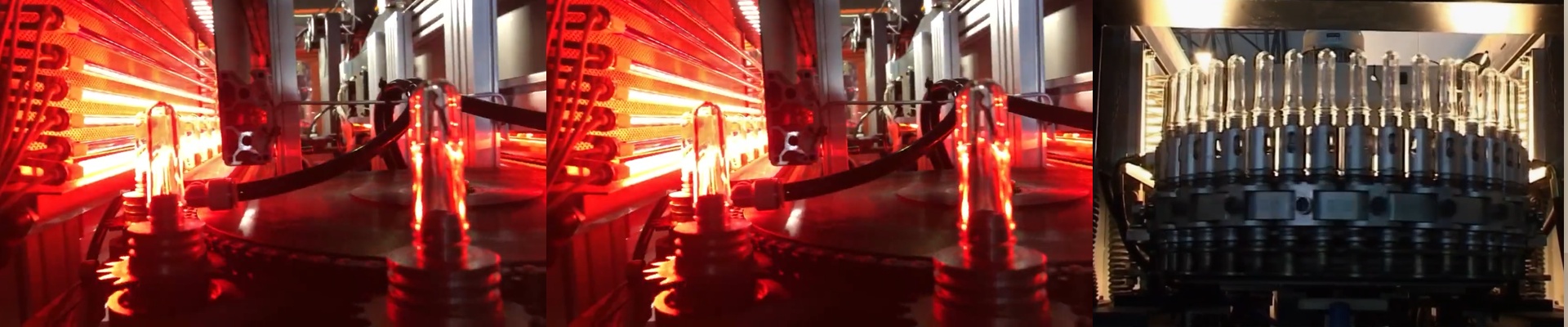

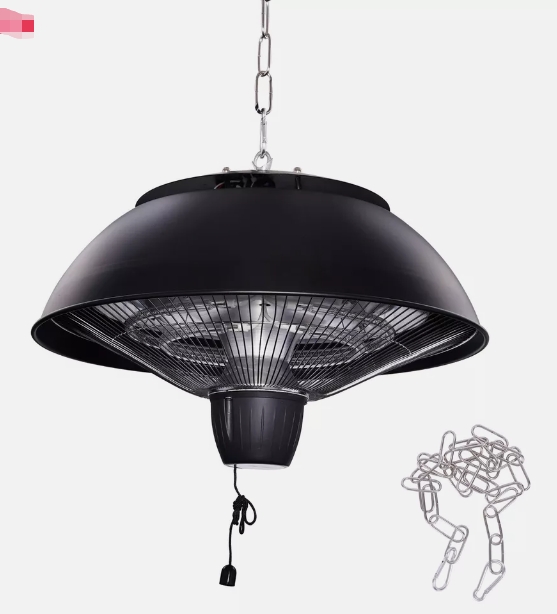
On a busy terrace, that first bite of evening can turn a promising service window into a race against comfort. When the infrared patio heaters kick on, you need heat—now. How fast they light up isn’t just convenience; it’s a quick field check of the heating element inside.
What matters, technically
Commercial infrared patio heaters run on radiant heat, not moving air, so the element is the whole ballgame. A quartz tube with a halogen or carbon-fiber filament hits operating temperature fast—often in seconds—so the warmth hits immediately. A slower glow can point to a denser, lower-purity element that takes longer to heat and cools off sooner. Look for a clean, even color across the tube. No dark spots, no uneven banding. Those are red flags for impurities that drive up resistance, waste energy, and cut service life. Wattage and voltage have to match your site’s circuits. And a sealed housing with a proper IP rating keeps moisture and wind out while protecting the internal connections.
Why this matters on the floor
When guests arrive, you want warmth at once—not a slow ramp-up that leaves tables empty. Fast light-up means the element is efficiently turning electricity into infrared warmth, so you feel heat the moment it comes on, not minutes later. That translates to quicker seating, steadier service, and fewer callbacks. It also means the heater can cycle cleanly with a thermostat, maintaining a stable feel without long on/off gaps. Over time, a high-purity element holds output steady, so you spend less on replacements and avoid the cost of lost evenings.
The practical stuff
Infrared patio heaters work best in open or semi-open spaces with some shelter from strong wind. They warm people and surfaces directly, not the air. For best results, mount at the right height and angle to create a broad warmth zone. Keep clearances clear, use the correct plug and cord for the amperage, and confirm the unit’s IP rating matches your exposure to rain and spray. In very damp locations, a heater with higher protection will perform more reliably. And even a well-built unit appreciates a covered storage spot during the off-season.