Stop Letting Thermal Lag Kill Your Kitchen’s Pace
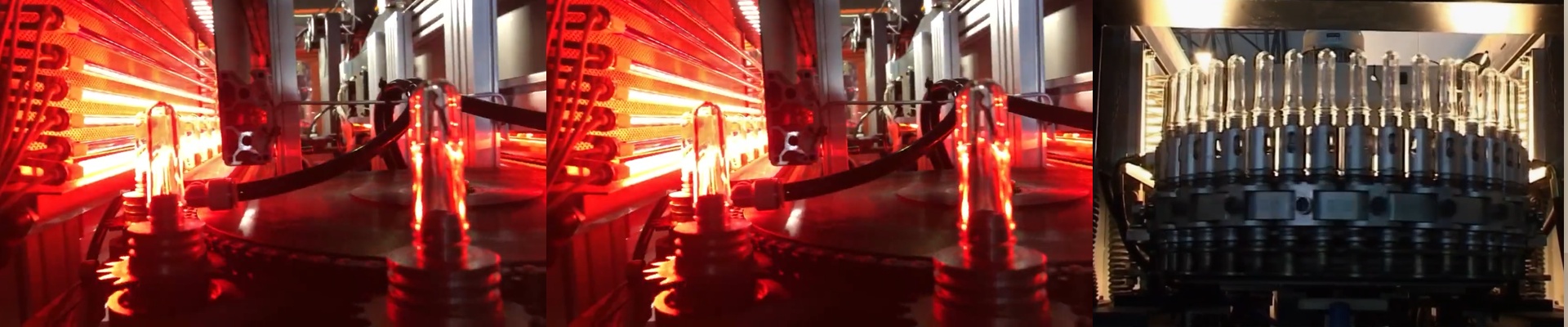
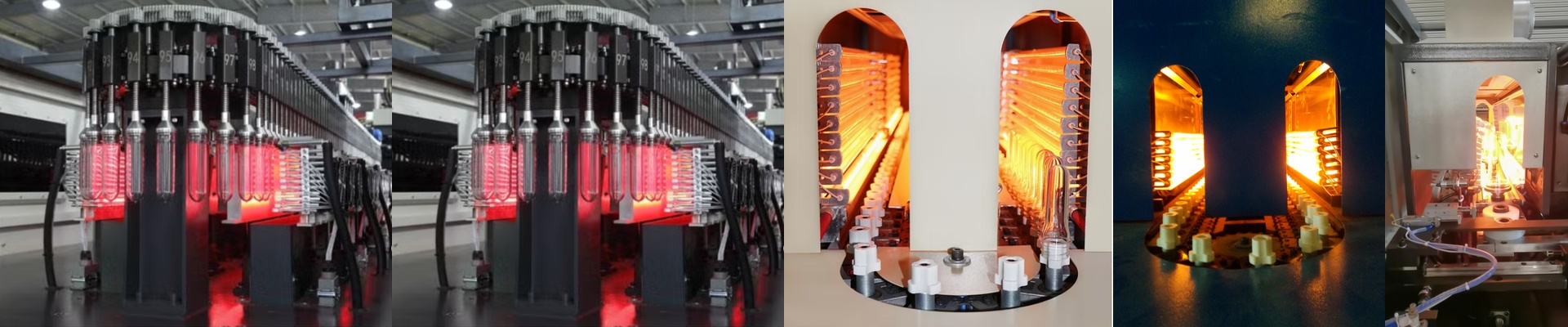
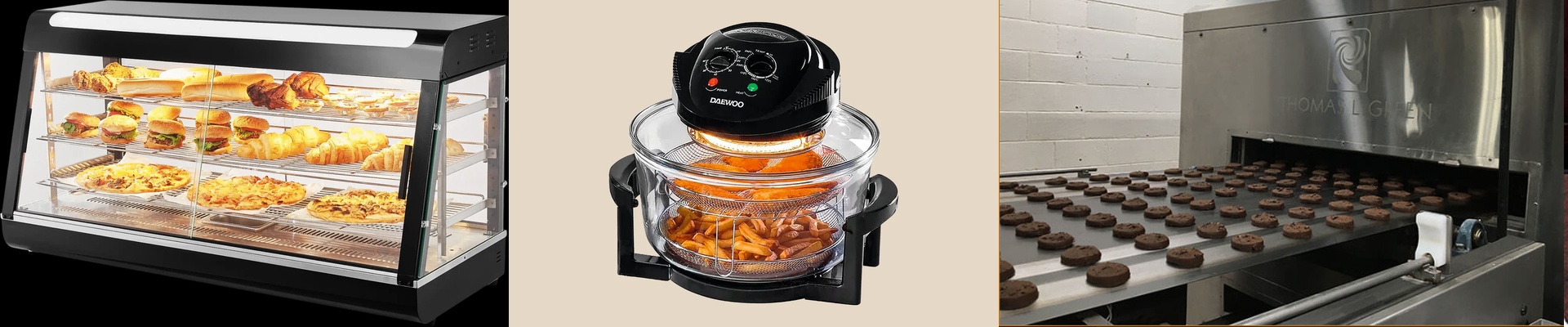
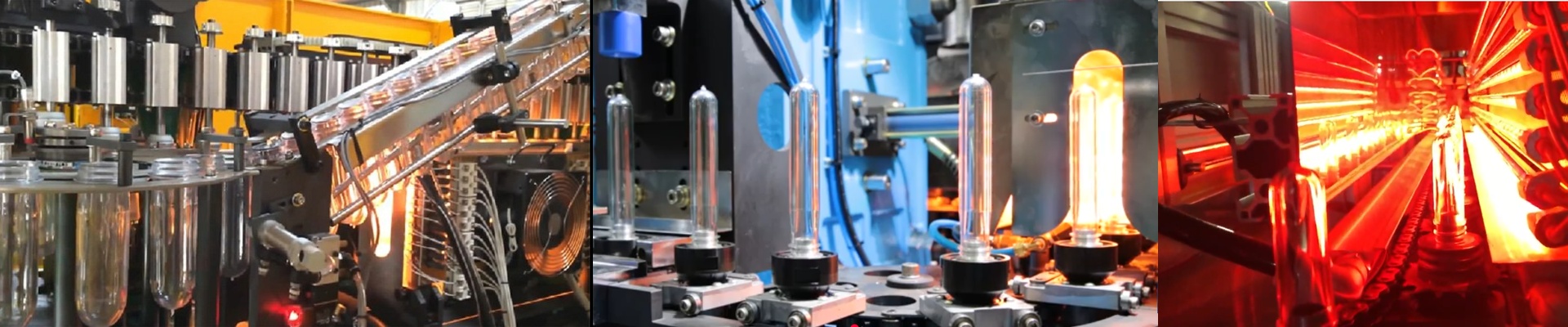
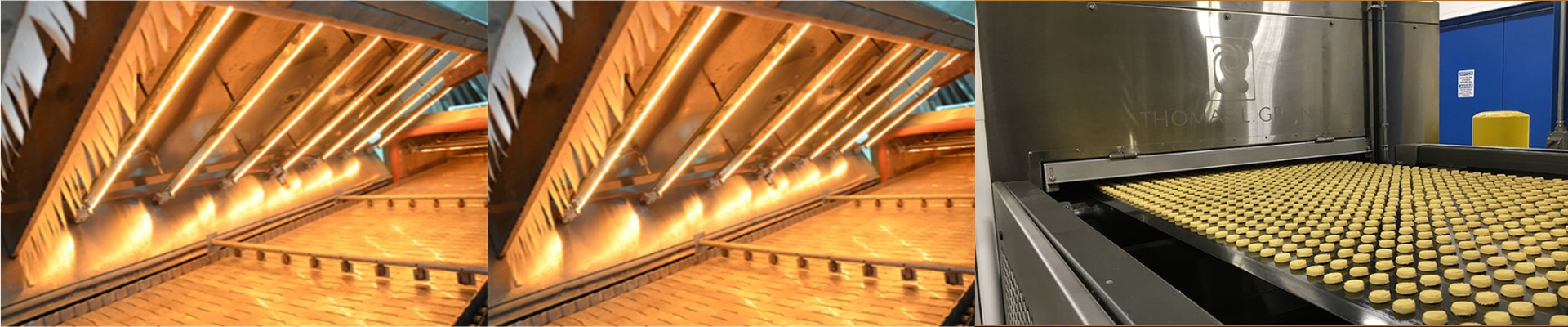
If your kitchen line or food plant is hitting a wall, the culprit is usually thermal lag. Most setups rely on convection—basically just blowing hot air around. But air is slow. It takes forever to move and even longer to actually transfer heat into the food. It’s the reason your production feels like it’s dragging. We fix this with ceramic infrared (IR) heaters. Instead of waiting on the air, these elements shoot short-wave radiation straight onto the food. It’s direct. It’s immediate.
Why it actually works
Traditional heating coils are a bit sluggish. Ceramic IR heaters are different. Because we use high-density ceramic, the elements ramp up to temperature almost instantly. No more staring at a timer waiting for a pre-heat cycle to finish while your staff stands around. You just get a massive hit of heat the second you need it. Here’s the trick: you don’t have to rip out your convection ovens. You just add the IR lamps to the mix. The convection keeps the air warm, but the IR does the heavy lifting—giving you that perfect sear or rapid brown without the wait.
The nuts and bolts (and the warnings)
Commercial kitchens are brutal. Grease, steam, spills—it’s a mess in there. That’s why we house these filaments in ceramic. It keeps the gunk out and the heat in. Plus, they play nice with your existing PID controllers, so you can tweak the power based on what your sensors are telling you in real-time. But look, there’s a catch. These things put outintenselocalized heat. If your oven frame isn’t built to handle those peaks, you might see some warping or, worse, melted wiring. You also need to make sure your vents can actually dump that extra heat once the cycle is done. Don’t skip the ventilation check.
What this does for your output
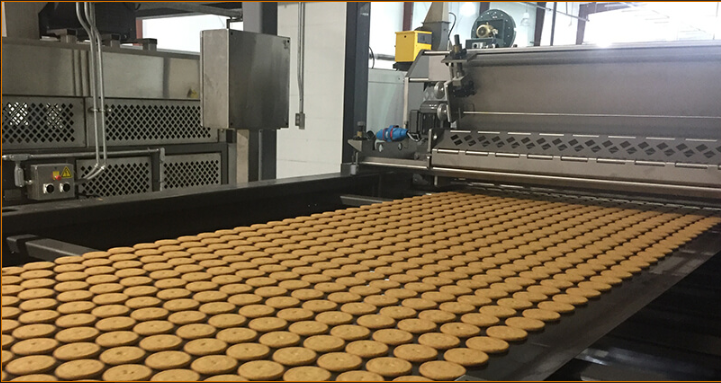
When you add IR to the equation, food spends way less time in the chamber. It’s a simple way to push more plates through the line every hour without having to buy a bigger oven or expand your floor space. You just get your rhythm back.