

Keeping Your Bathroom Heater from Blowing Up
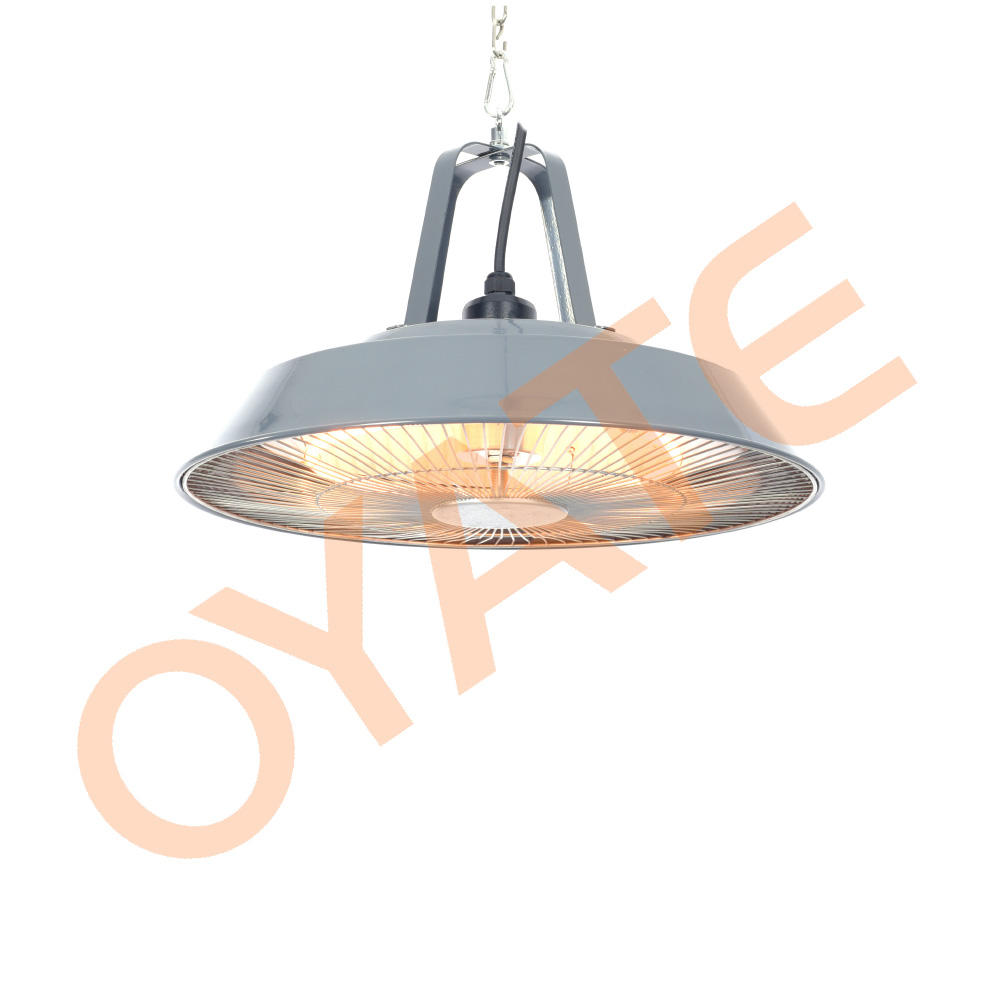
Putting infrared lamps in a shower is a bit of a gamble if you don’t do it right. You’ve got two big enemies: water getting where it shouldn’t and “thermal shock.” Most heaters just can’t handle a mix of steam and direct splashes—they’ll short out or just give up on you. To stop that from happening, we use IPX5-rated housings and specialized quartz tubes.
Why the glass matters
Here is the thing about quartz glass: it hates sudden temperature swings. Imagine a tube glowing at 600°C. Now imagine a single, cold drop of water hitting it. Standard glass will just snap. It’s a violent, immediate crack. We use a reinforced, explosion-proof quartz that can actually handle those wild temperature jumps without shattering. It’s not just about “buying better parts”—it’s about the science of how the glass expands and contracts. If the material can’t take that hit, the whole unit is basically a ticking time bomb.
Dealing with the damp
You’ll see us mention “IPX5.” In plain English, that just means the unit can take a blast of water from any angle and keep on ticking. We make this happen by sealing the electrical terminals and the lamp housing with high-temp silicone gaskets. It keeps the moisture from creeping into the wiring. Without those seals, you’d get oxidation, and pretty soon, your heater is a dead piece of metal.
The trade-offs
Nothing is perfect. When you seal a high-heat lamp inside a waterproof box, pressure builds up. To keep the seals from popping, we have to be really careful with the airflow. You get that peace of mind knowing it’s waterproof, but it won’t cool down quite as fast as those big, open-air heaters you see in factories. Also, a quick tip: make sure your mounting bracket is strong enough for the reinforced glass. That stuff is heavy, and you don’t want your heater sagging toward the floor after a few months. We build these things to take a beating in the most humid rooms in the house. Just do yourself a favor and wire it to a GFCI circuit. That way, if a seal ever does fail, the system shuts down safely before anyone gets hurt.