
Keeping 110V Infrared Heaters Alive in Rotary Ovens
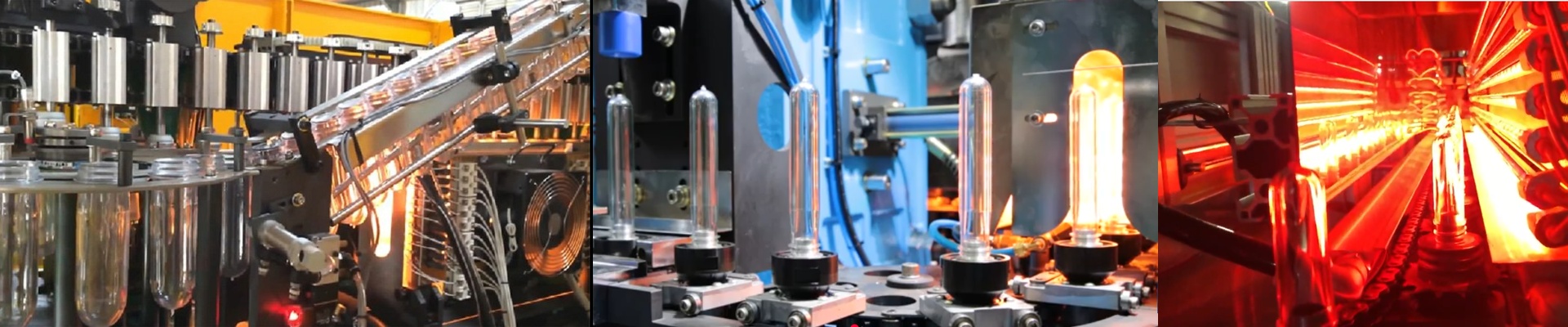
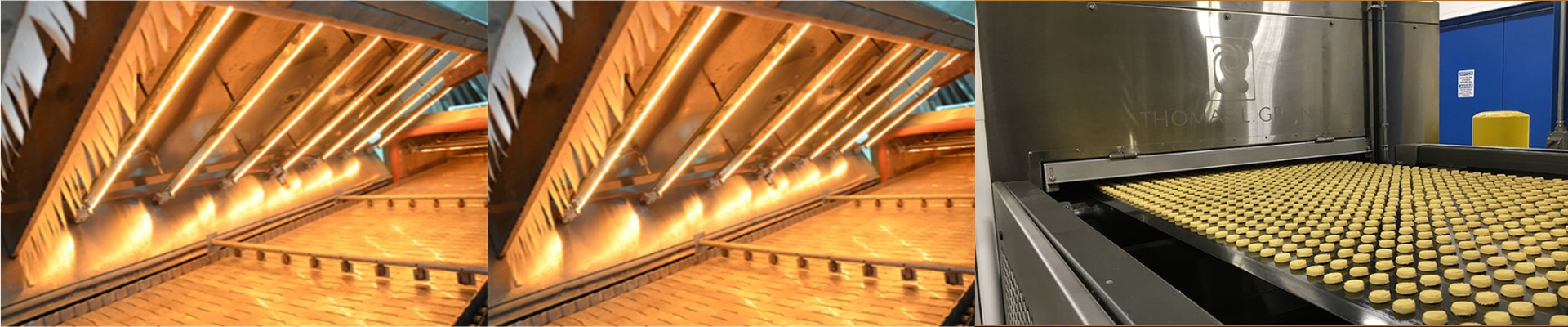
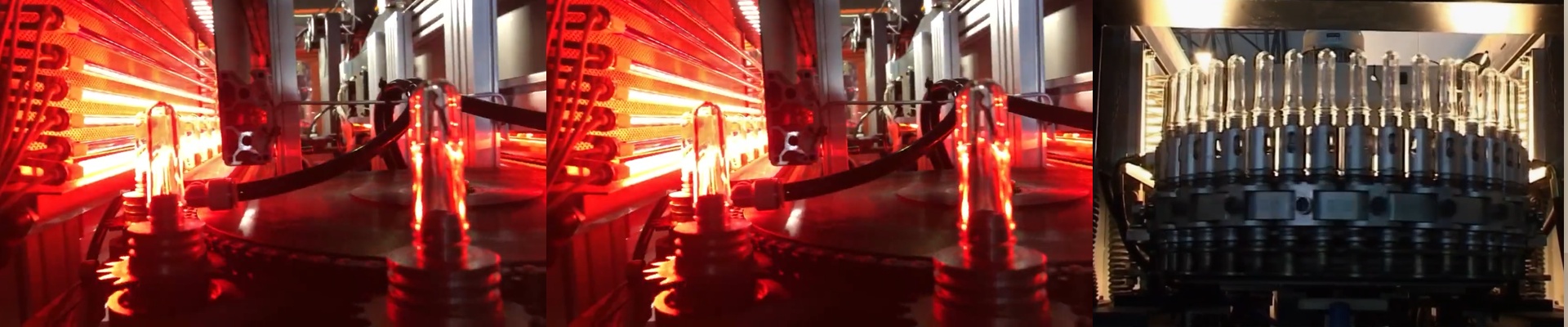
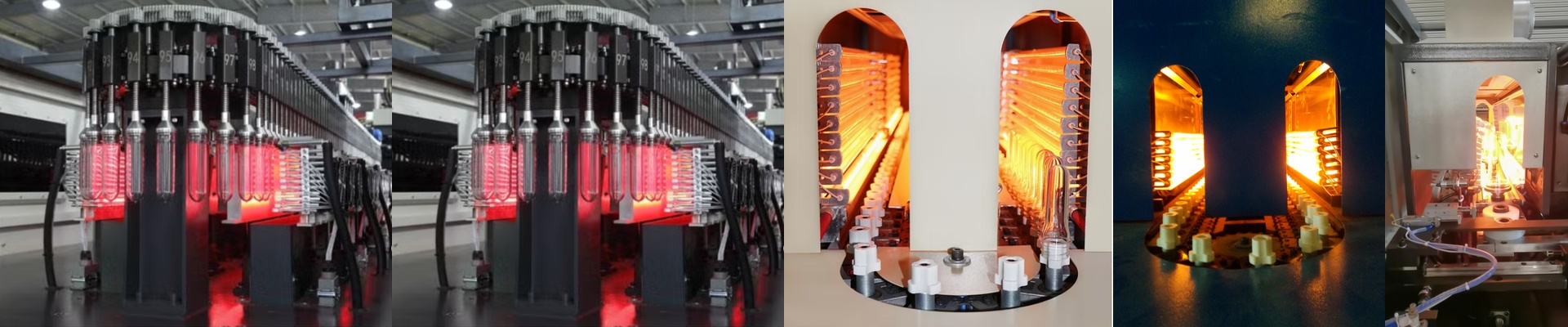
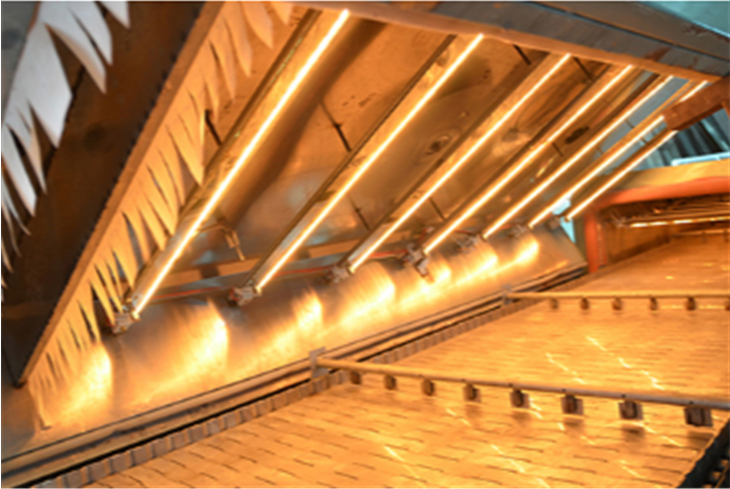
If you’ve ever worked with rotary ovens, you know they’re basically a nightmare for heating elements. You’ve got parts constantly spinning around, and then there’s the steam. Lots of it. That’s why we lean on 110V infrared lamps. They give you that direct, radiant heat you need without having to wait for the air to warm up.
Why 110V?
It really comes down to control. We use 110V because it plays nice with standard industrial circuits. Here’s the thing: when you wire these into multi-zone PID controllers, you get way more precision. You aren’t just blasting heat; you’re sculpting it. Instead of having one massive, high-voltage array that creates annoying “hot spots,” we spread the power across a few 110V tubes. The result? Your product gets a nice, even bake all the way around.
Dealing With the Steam
Standard quartz tubes just can’t hack it here. If they hit a pocket of condensation, they can crack or just stop working efficiently. To fix that, we use high-purity quartz glass. It handles the thermal shock much better. We also tweak the filament—balancing the wattage and the length—so the tube doesn’t just burn out the moment you start cycling the power. One quick warning: these lamps use direct-contact electrodes to keep resistance low. That’s great for performance, but**don’t cheap out on your sockets.**If you use low-grade connectors, they’ll melt. Then you’ve got a short circuit on your hands, and a very bad afternoon.
The Trade-offs
The best part? These things are fast. Like, really fast. You can ramp up the temp in seconds, which makes them a great swap if you’re tired of waiting for slow electric coils to warm up. But there is a catch. Since these aren’t heavy-duty heating elements, you need more lamps to get the same amount of heat (BTUs). More lamps mean more wiring, which means more places for something to go wrong. Keep an eye on your gaskets and seals. If steam leaks and hits the cold ends of the lamps, it creates a temperature clash that kills the tube’s lifespan. Keep it dry, and they’ll last.