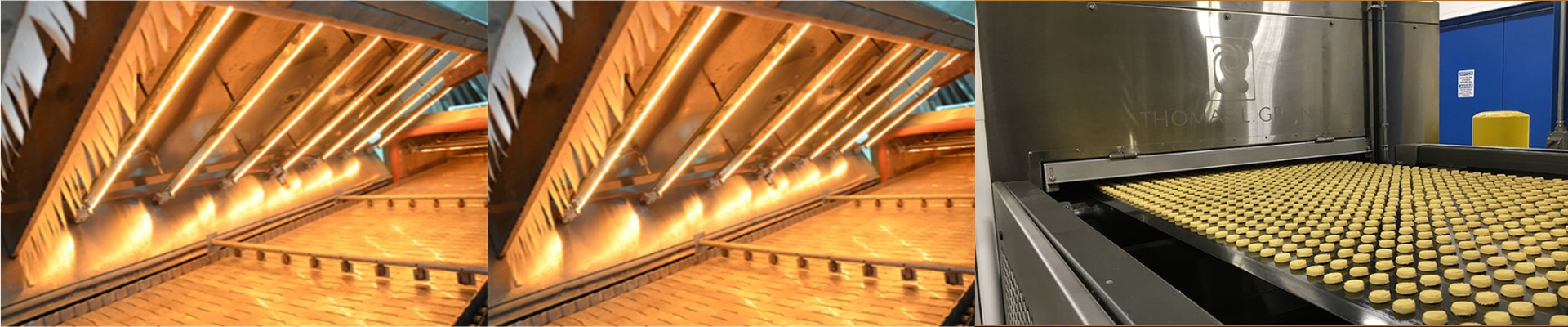
Why we use gold-coated ceramic heaters for better bread
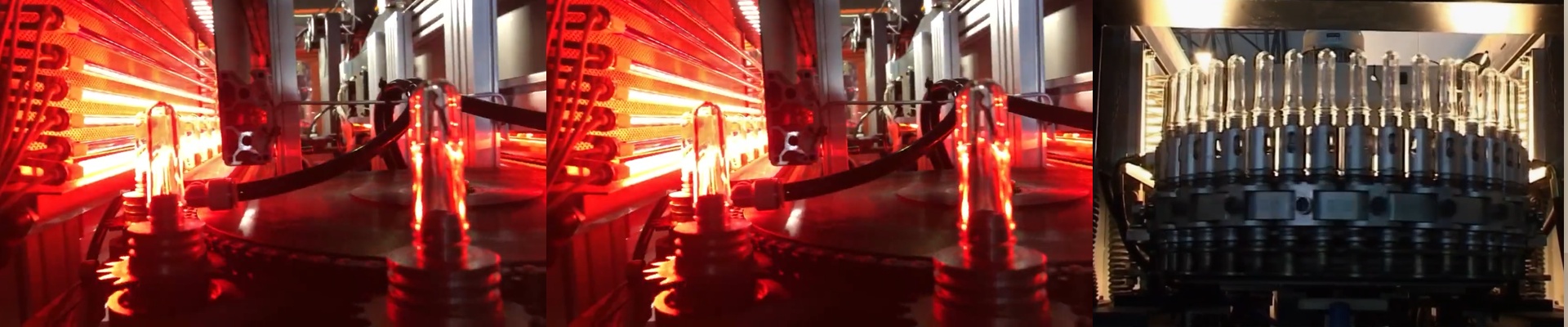
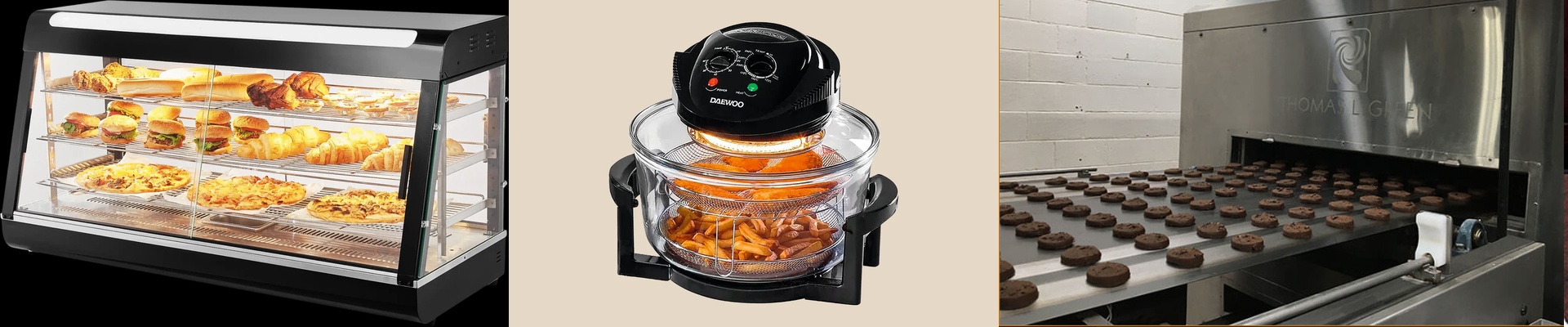
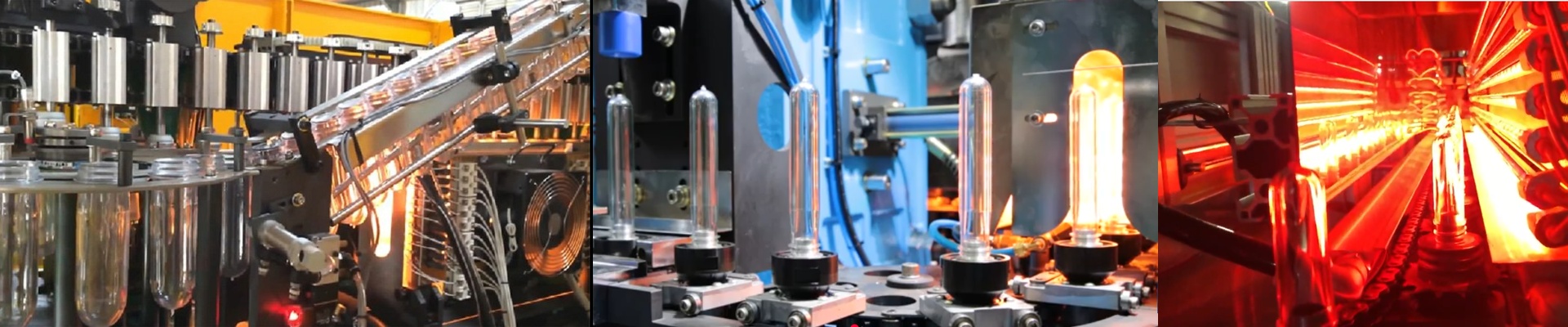
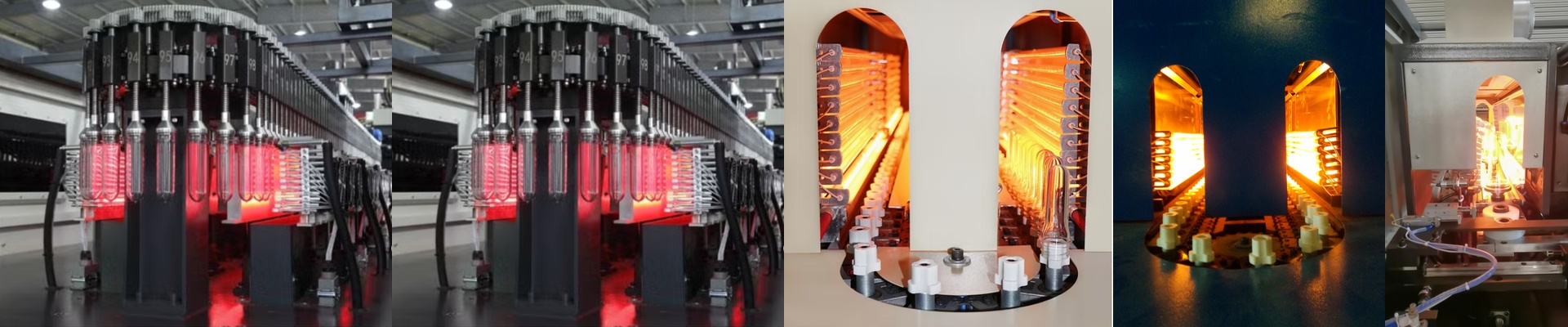
If you’ve ever pulled a loaf out of the oven only to have it collapse or come out with a patchy, uneven crust, you know how frustrating it is. Most of the time, it’s not your dough. It’s your oven. Cheap ovens have these massive temperature swings. They’re sluggish. By the time the heater actually catches up to the thermostat, it’s already overshot the mark. To fix this, we use gold-coated ceramic heaters. Here’s the deal with the gold. Standard ceramic heaters just throw heat everywhere. It’s a bit messy. But when we add that gold coating, it changes how the heat moves. The gold reflects a huge chunk of that infrared energy back into the element and focuses the output. It makes the heater react way faster. The second the thermostat clicks off, the temperature actually drops. No more waiting around for the oven to “realize” it’s too hot. Why does a few degrees even matter? Because bread is finicky. A shift of just 5 degrees can be the difference between a perfect bake and a disaster. If your heater is slow to ramp up—or if it overshoots—you end up burning the sugars in the crust while the middle is still raw. It’s that “yo-yo” effect you see in home ovens. With gold-coated elements, we can pulse the power much more precisely. The element responds instantly. It’s smooth. It’s predictable. The catch (because there’s always one) These things are powerful, but they aren’t bulletproof. That gold layer is incredibly thin. If you push the wattage too high or let the element run dry, the coating can flake or oxidize. Once that happens, you lose that surgical precision. You also have to make sure your wiring can actually handle the current, otherwise, you’re looking at a burnout at the terminals. But when you get it right? It’s a different world. Pair one of these with a high-accuracy thermocouple and the guesswork is gone. Your first loaf of the morning will look and taste exactly like the hundredth. That’s the kind of stability you actually want in a kitchen.