Getting That Perfect Sear: Why We Use Infrared in Our Ovens
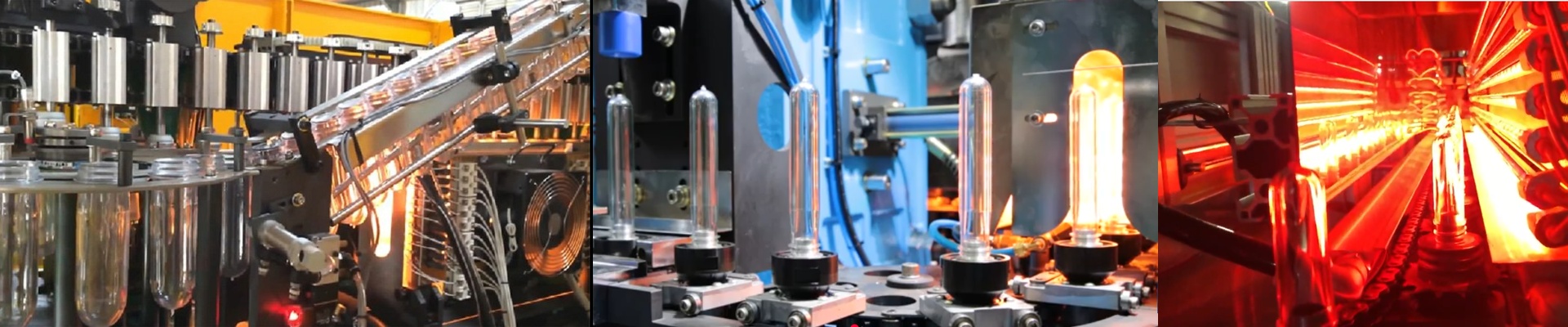
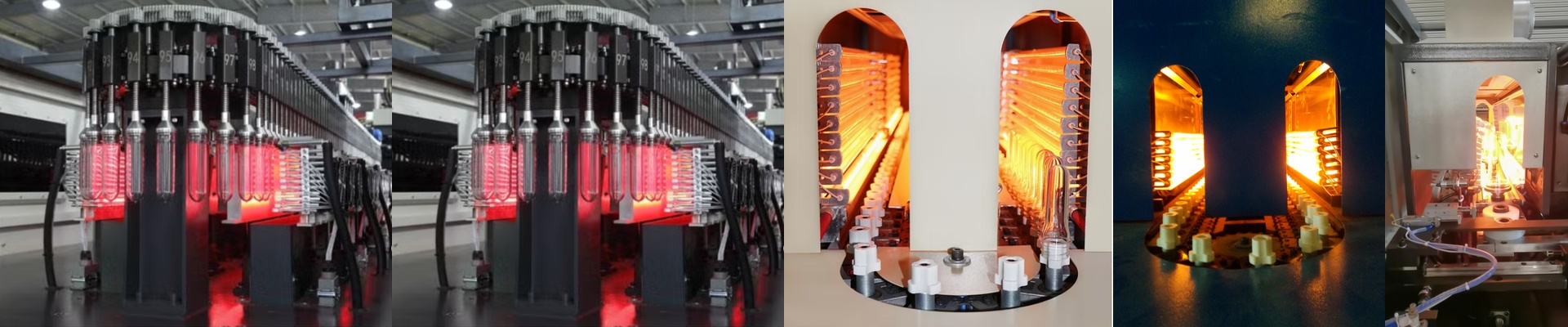
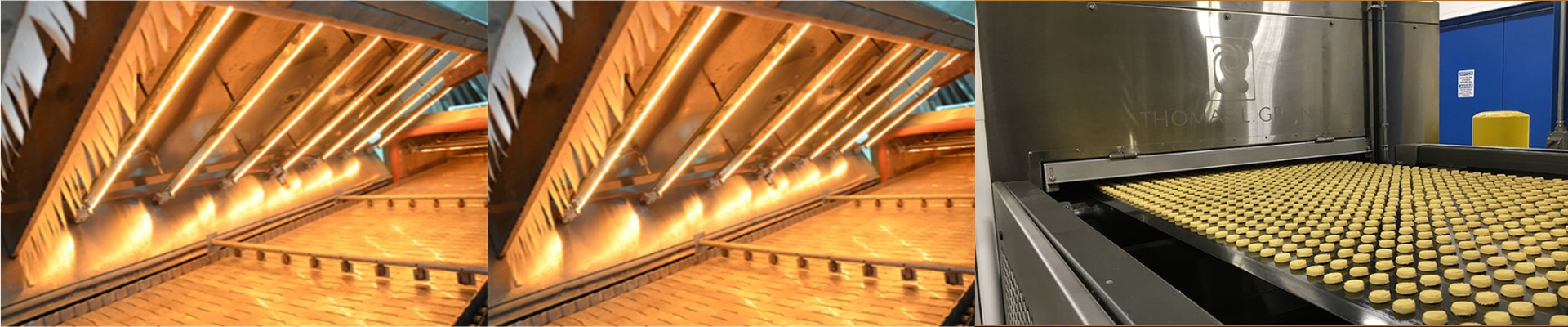
Getting that perfect, golden-brown crust isn’t just about cranking up the heat. It’s about timing. You need a system that hits the right temperature in a heartbeat and stays there without swinging wildly. That’s why we put short-wave infrared (IR) heaters inside our convection ovens. It fills the gap between moving hot air around and actually searing the surface of the food.
The Secret to a Fast Sear
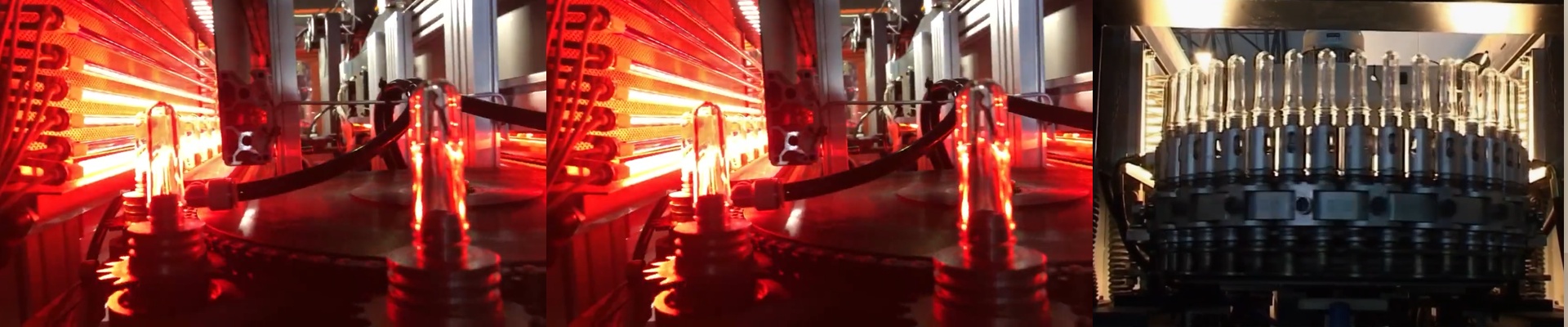
Standard convection is fine, but air is slow. It takes its time. IR heaters are different—they skip the air entirely and shoot energy straight into the food. This is how we trigger the Maillard reaction (that magic chemistry that makes food taste “browned” and savory) in a very tight window. By using high-watt quartz elements, we can spike the surface temperature in seconds. The result? You get that charred, crispy exterior you’re after, but the inside stays juicy because it didn’t have time to overcook.
No More Guesswork
Here’s the tricky part: IR is powerful. If you leave it on for a few seconds too long, you’ve got a burnt mess on your hands. To stop that from happening, we use high-precision PID controllers. Think of it as a brain for the heater. The sensor watches the surface temperature and flips the heater on or off almost instantly. There’s no “lag” like you get with those heavy cast-iron elements that stay hot long after you turn them off. It’s just a crisp snap on the outside and a tender middle.
The Balancing Act
Now, there is a catch. These IR lamps put out a massive amount of heat in a tiny space. It’s great for speed, but it puts a lot of pressure on your vents. If your exhaust can’t pull that extra heat out of the oven, the whole cavity gets too hot. Once that happens, you lose that surgical precision we’re talking about. It really comes down to a balance. You have to match your IR wattage with your airflow (CFM) to keep everything stable. Get that right, and you’re golden.