



Heating Up Those Drafty Transition Zones
If you’ve ever tried to heat a patio or a breezy hallway with a standard heater, you know the struggle. You’re basically trying to heat the entire outdoors. By the time the air gets warm, the wind has already carried it away. It’s a waste of time and money. That’s why we use short-wave infrared. Instead of fighting the air, this tech sends heat straight to your skin and the surfaces around you. It’s almost instant. One second you’re shivering in a freezing corridor, and the next, you actually feel warm. No massive HVAC ducts, no endless waiting. Just heat.
Dealing with the Elements (The IP55 Stuff)
Here is the thing about patios and entryways: they get wet. Humidity, rain, and random splashes are always trying to kill your electronics. We make sure these units are IP55 rated. In plain English? It means the housing is tight enough to keep out dust and can handle water jets hitting it from any angle. Without that protection, your circuitry would short out or the reflector would just rust away. We built the chassis to keep the guts bone-dry while letting the heat pour out.
How it Actually Works
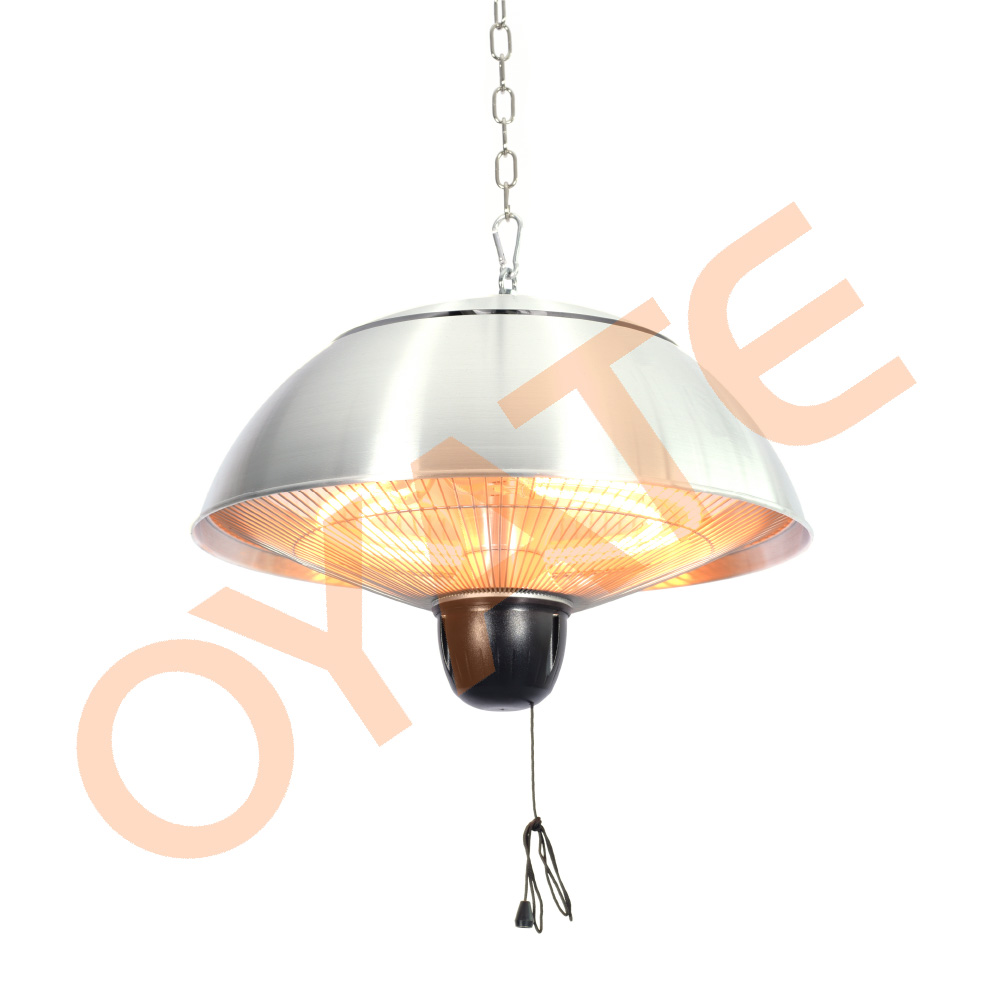
Think of it like the sun. You can feel the sun’s warmth on your face even if the air around you is crisp. That’s exactly what’s happening here. These heaters send out waves that don’t care about the air—they only turn into heat once they hit something solid. You. Your clothes. The wall. It gives you a ton of warmth in a very small space. Plus, we use high-grade reflectors. Instead of letting the heat drift up into the ceiling where it does nothing, we push the beam down where people actually are.
A Few Things to Watch For During Install
If you’re swapping out old electric strips, these are a great drop-in replacement. They’re smaller and way more precise. But a quick heads-up on the wiring: infrared lamps are power-hungry. If you’re putting in a row of five or six units, don’t just plug them into whatever is nearby. You’ll need to make sure your breakers and cable gauges can handle the load. If you overload the circuit, you’ll see voltage drops, and your lamps will burn out way faster than they should. Get the wiring right, and you’ve got a space that feels cozy the second you step into it.