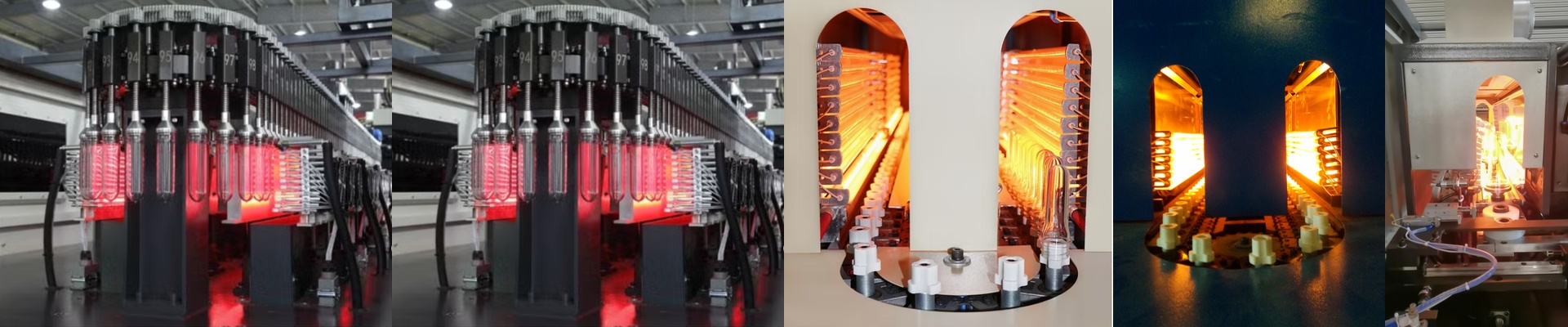
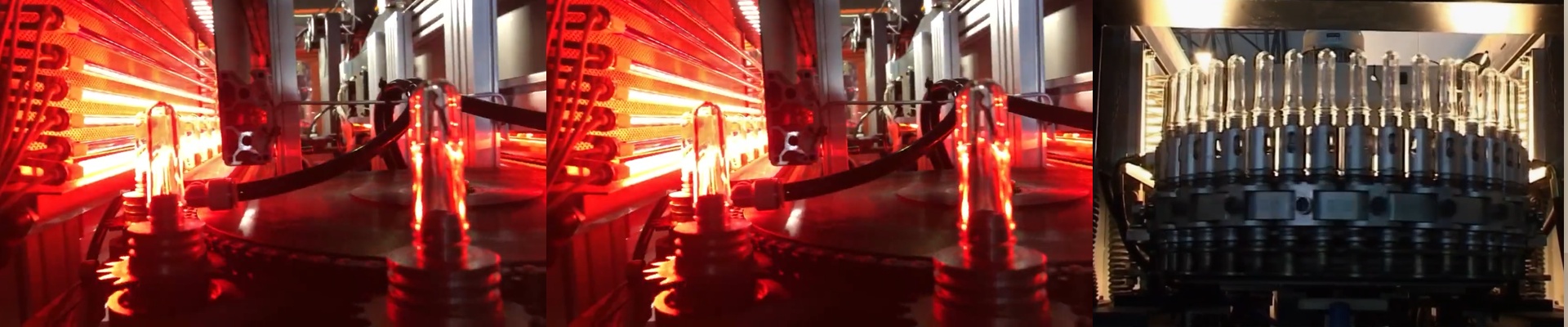
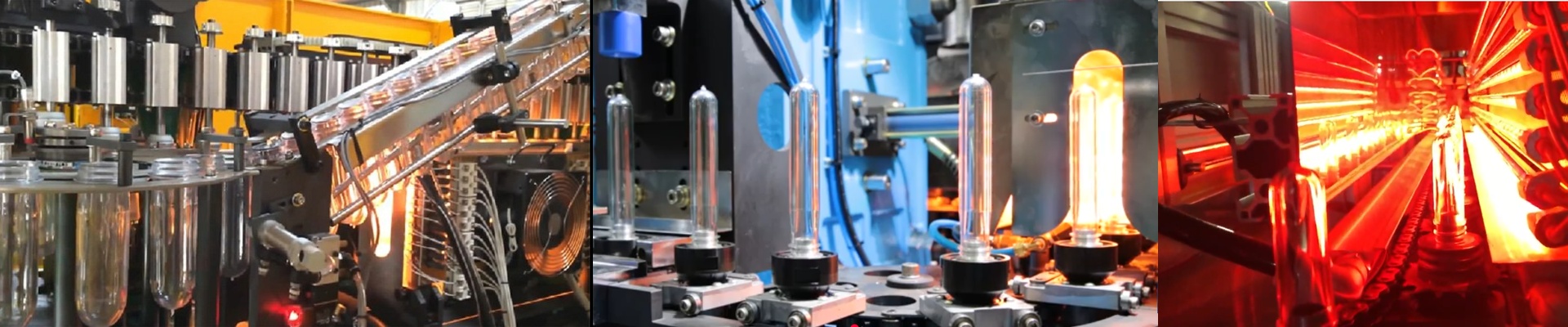
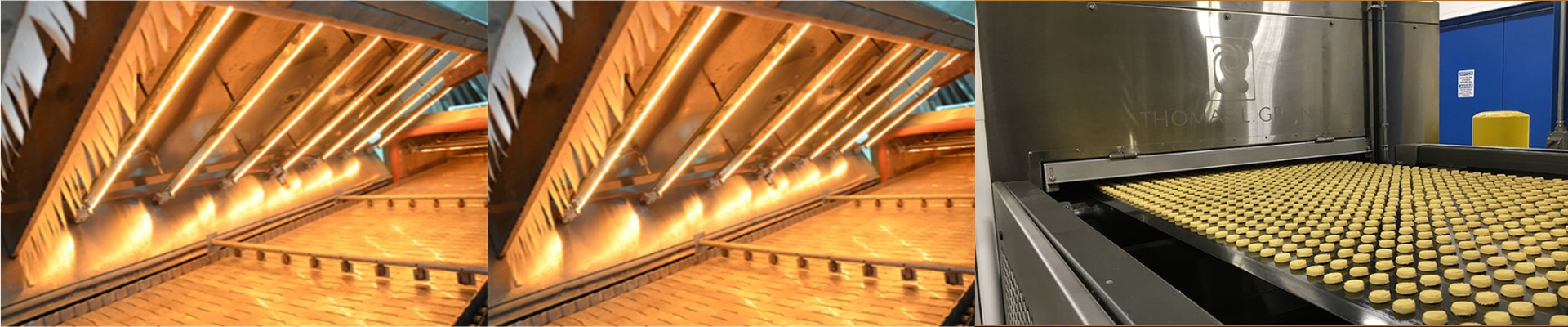
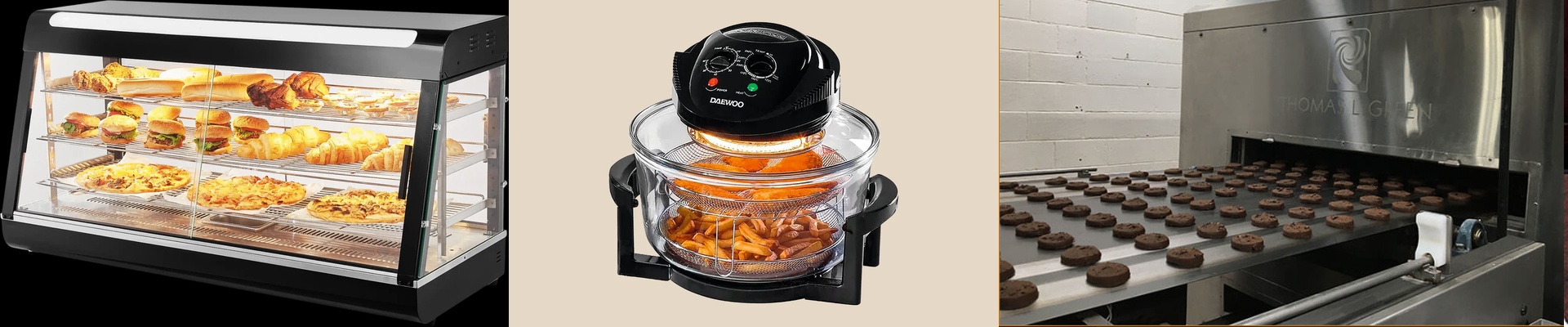
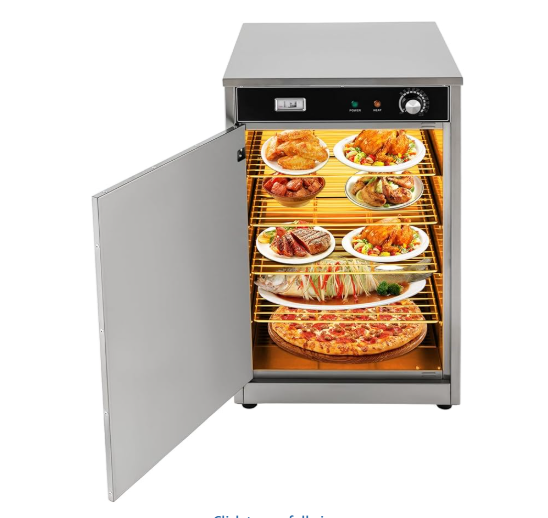
When service hits, the deck oven can’t afford to cool down between bakes. Every minute the stone hearth drops, you lose crust snap, caramelization, and that clean lift that tells you the bake is right. A deck oven heat lamp keeps the baking chamber at holding temperature, so you can keep turning out consistent pies without over-firing the deck. What matters under the hood We spec the lamp around how a busy kitchen actually works. Quartz infrared elements come up fast—full output in seconds—so the oven gets back to set point after door cycles. Match the unit to your line voltage with 240V or 380V, and pick wattage density based on the oven cavity size, not just the lamp length. A compact reflector housing focuses heat downward, so you don’t get stray radiation cooking nearby components. You can expect 5,000+ hours of stable output before any noticeable derating, and swapping in a new element doesn’t mean rewiring the oven. Why it works where it counts It’s all about control and speed. The lamp holds the baking chamber steady while the deck recovers, so your bake schedule keeps moving. You get consistent crust texture through the rush, without the energy spike of repeatedly reheating the entire deck. In practice, that means fewer temperature swings, more predictable bake times, and less wasted heat bleeding out into the kitchen. What to watch for Mounting is straightforward, but heat is relentless. Keep the lamp clear of proofing items and packaging, and double-check clearances to the oven lining and stone. The lamp adds heat to the chamber, so fine-tune your thermostat offset to avoid overshoot. Match the lamp to the oven model—cavity geometry and door opening pattern shape the hot zone. When it’s installed correctly, the deck oven heat lamp turns holding temperature from a guess into a repeatable part of your workflow.