Stop Waiting for Your Steam Oven to Heat Back Up
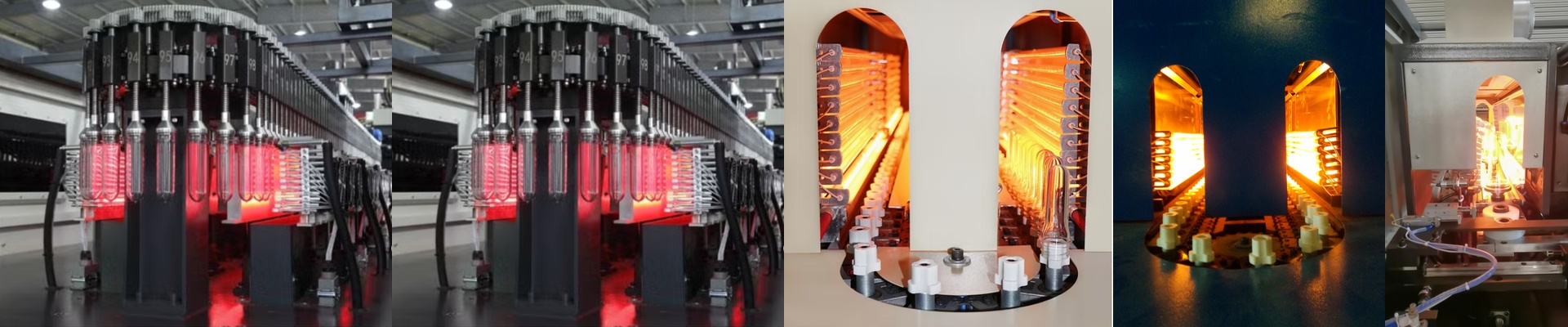
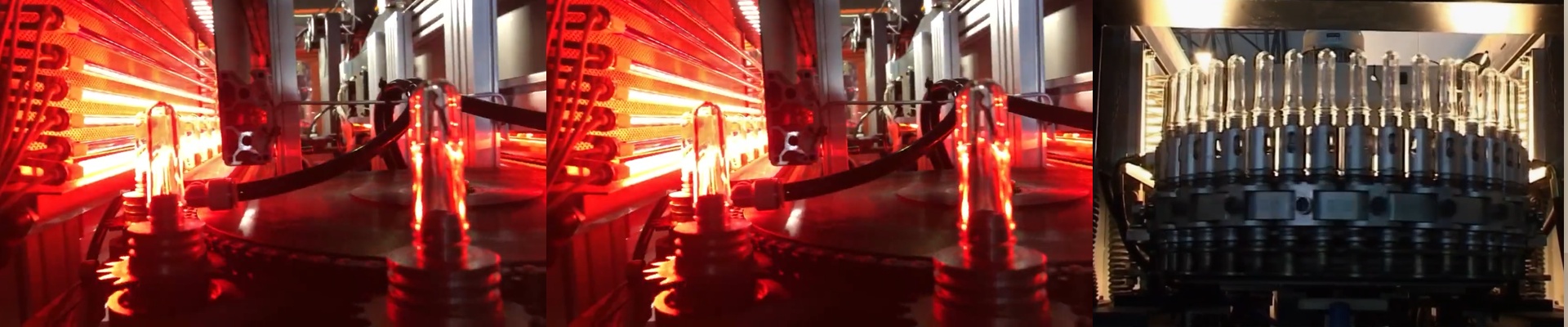
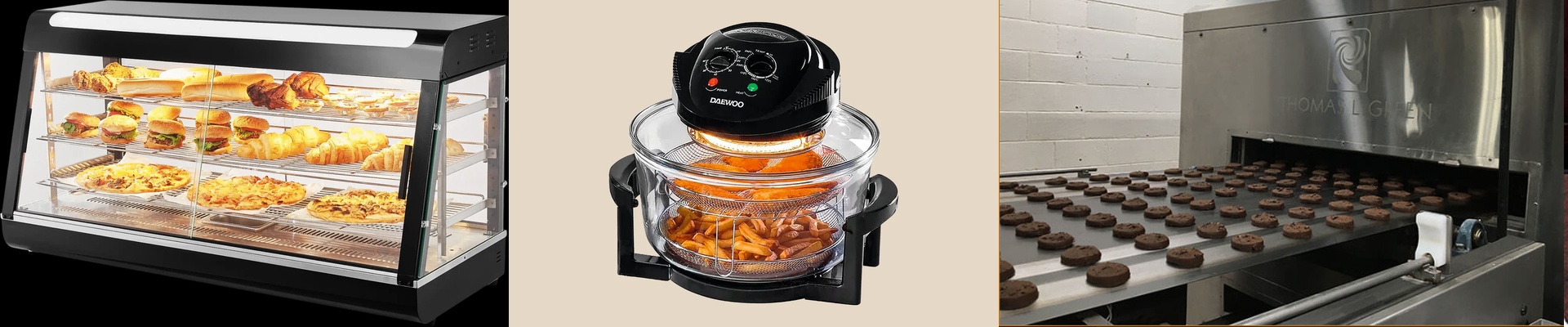
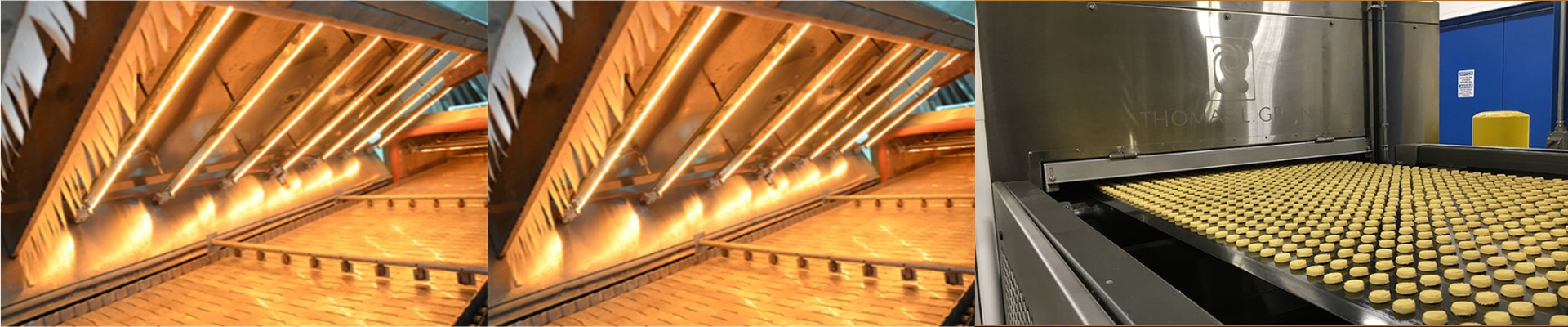
Anyone who spends a lot of time with a steam oven knows the frustration. You open the door, slide in a tray of cold product, and suddenly your temperature craters. Waiting for the steam jackets or convection fans to claw that heat back is a drag. It slows everything down. It creates a bottleneck that messes with your timing. That’s why we use infrared (IR) bulbs. Think of them as a turbo button for your oven. Instead of waiting for the air to warm up, these bulbs blast immediate energy right into the chamber. It cuts that “ramp-up” time way down and keeps your production moving. How it actually works Steam is great, but it takes a minute to move heat around. IR is different. It’s short-wave radiation, meaning it doesn’t wait for a medium—it just hits the food surface directly. We don’t use these to replace the steam. That would be a mistake. Instead, they act as a booster. By kicking in during the loading phase, they stop the oven’s core temperature from dipping too low. Your cooking cycles stay consistent, and your food doesn’t sit around getting lukewarm. The gear you’ll need We usually go with quartz glass and halogen filaments. They pack a ton of power into a tiny space. If you’re looking at the specs, you’ll probably see R7s or SK15 connectors. We like those because when a bulb eventually burns out, you can just pop a new one in and get back to work without a headache. One heads-up: if you’re running an industrial setup with high-wattage tubes (we’re talking 2000W+ per tube), watch your power supply. You’ll need heavy-duty wiring. If the gauge is too thin, you’ll get voltage drops, which means flickering lamps or—even worse—tripping your breakers right in the middle of a shift. A few things to watch out for IR heating is powerful. Maybe too powerful. If the bulbs are too close to the food, you’ll scorch the outside before the steam even has a chance to penetrate the center. It’s a balancing act between distance and how long the lamps stay on. A smart way to handle this is with a PID controller. We set it to pulse the lamps once the oven hits about 90% of the target temperature. It stops the heat from overshooting the mark and keeps your electricity bill from spiking.