Stop Drying Out Your Food: Why We Added Infrared to Our Ovens
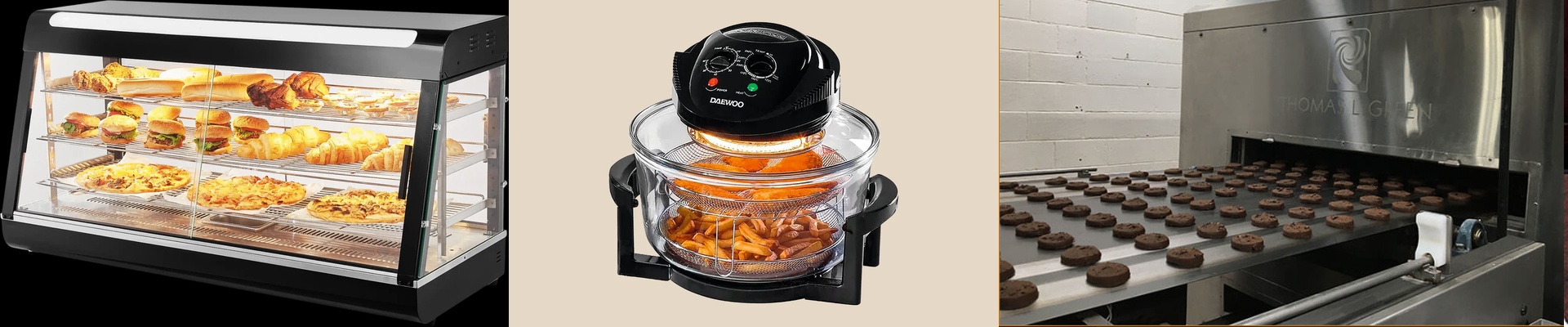
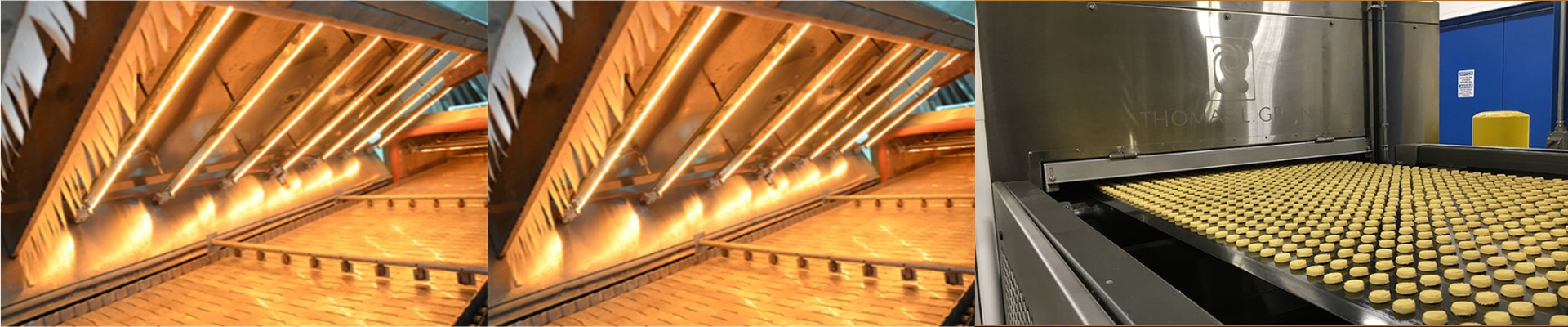
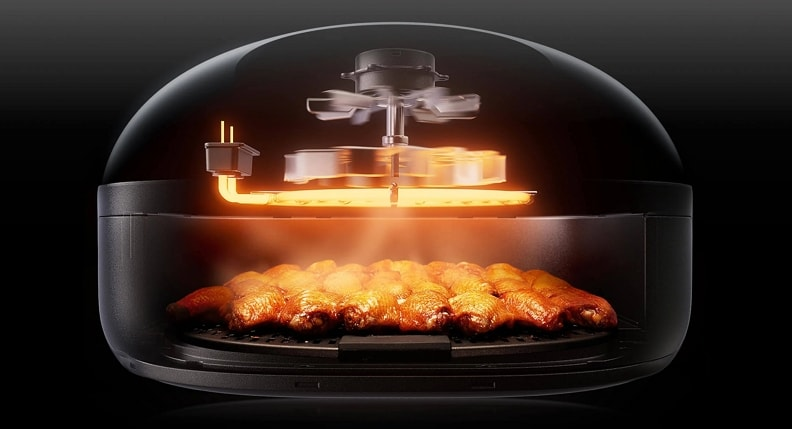
Ever notice how standard convection ovens can leave your food feeling like cardboard? It’s because they just blast hot air around. It works, but it strips the moisture right out of your meal before it’s even done. We found a better way. We started putting infrared (IR) lamps inside our stainless steel housings. Think of it as a tag-team effort: the convection air keeps the overall temperature steady, while the IR lamps hit the food with direct, radiant heat. You get that instant surface sear without killing the juices inside. It’s the best of both worlds.
How the heat actually moves
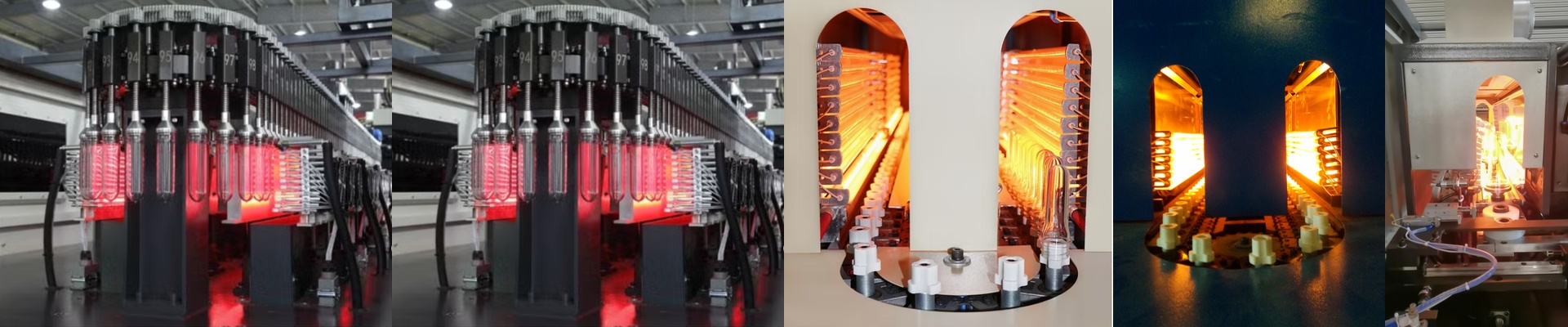
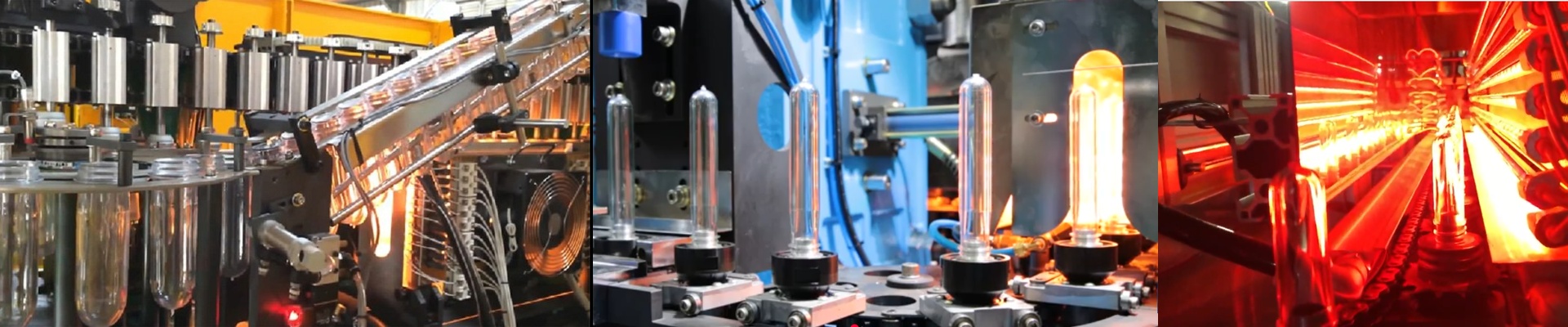
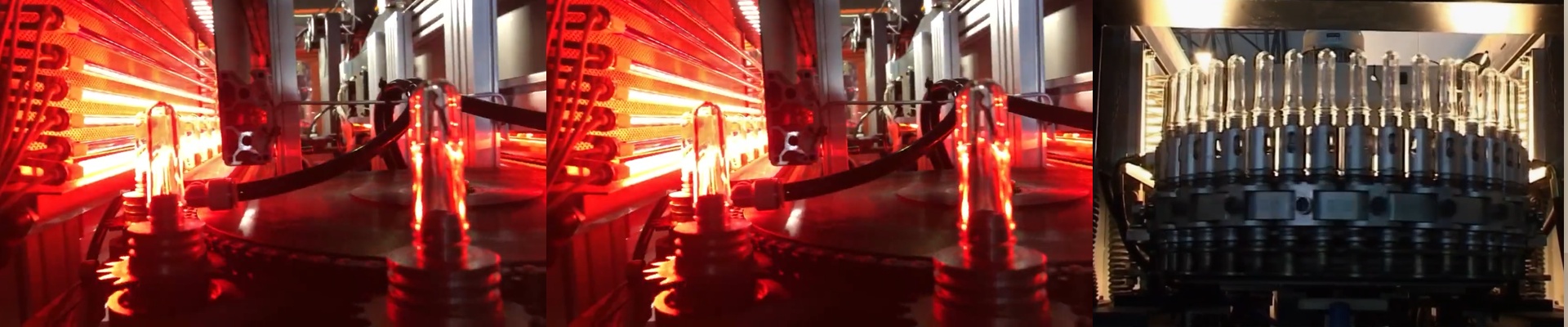
Here is the thing about IR lamps: they don’t bother heating the air first. They send out electromagnetic waves that go straight into the food. We use quartz tubes (short-wave or medium-wave) to keep that energy focused. By tweaking the wattage or moving the lamp a few inches closer or further away, you can dial in exactly how much heat is hitting the surface. It lets you lock in those juices while the fans do the slow work on the inside.
The nuts and bolts
We build these things out of 304 or 316 stainless steel. Why? Because food acids and steam eat through cheap metal, and we want these to last. The lamps themselves are encased in quartz so they don’t crack when the temperature swings wildly. On the electrical side, we kept it simple. We use R7s or SK15 connectors. If a tube eventually burns out—and they will—you can just pop a new one in without needing a degree in engineering. Just a heads-up: keep an eye on your power grid. A high-wattage lamp packs a punch, but it puts a lot of stress on your wiring. If you cram a 2000W lamp into a tiny space, make sure your ventilation is solid. Otherwise, you’re going to fry your control board.
The trade-offs
Nothing is perfect. IR heat is fast, but it’s directional. If your food isn’t rotating or the lamp is slightly off-center, you’ll end up with hot spots. To fix that, we usually pair the lamps with a PID controller. It modulates the power so you get a perfect finish instead of a charred mess.