How We Got Bake Times Down from 300 Seconds to 90
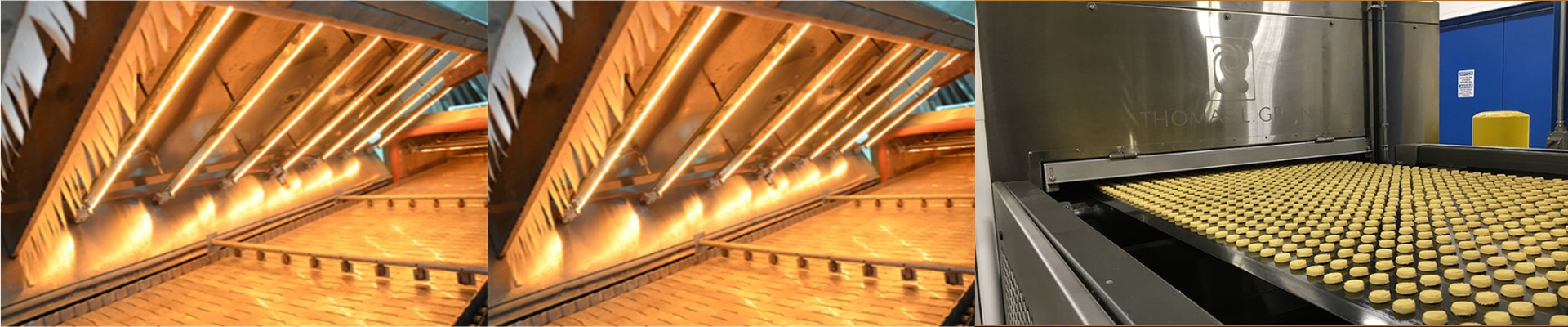
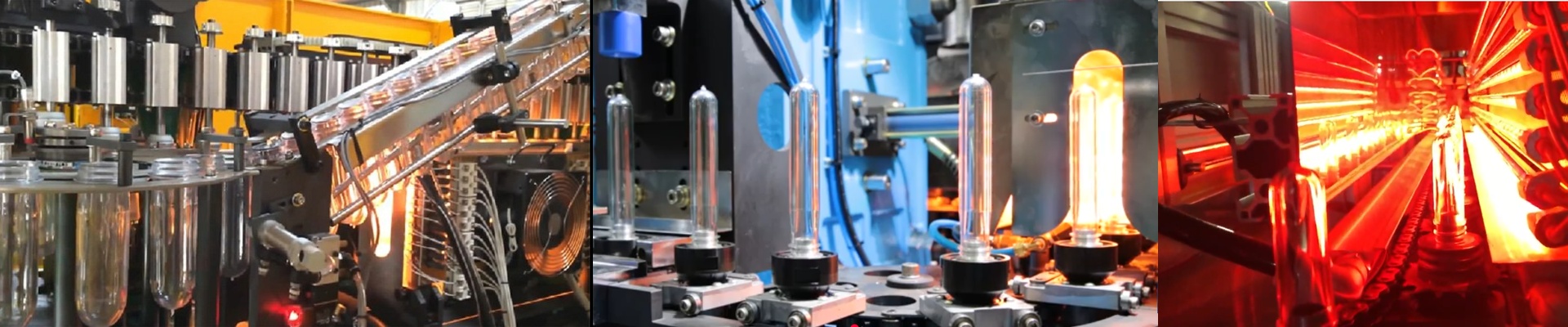
Most convection ovens are just heating up air. And let’s be honest—air is a pretty slow way to move heat. We decided to stop messing around with the air and go straight for the food. By using shortwave infrared (IR) emitters tucked into stainless steel housings, we can dump energy directly into the dough and toppings. That’s how you turn a five-minute bake into a 90-second sprint.
The Secret Sauce: Rapid Heat
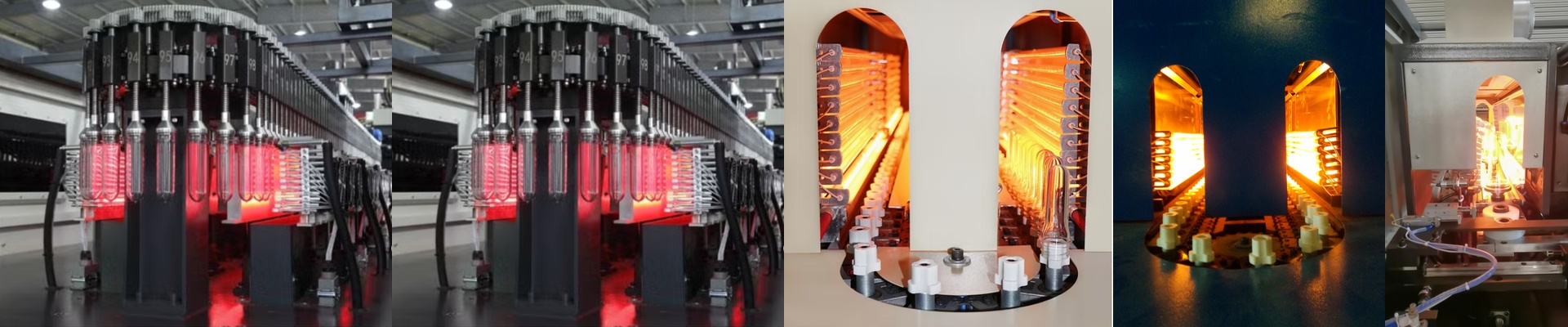
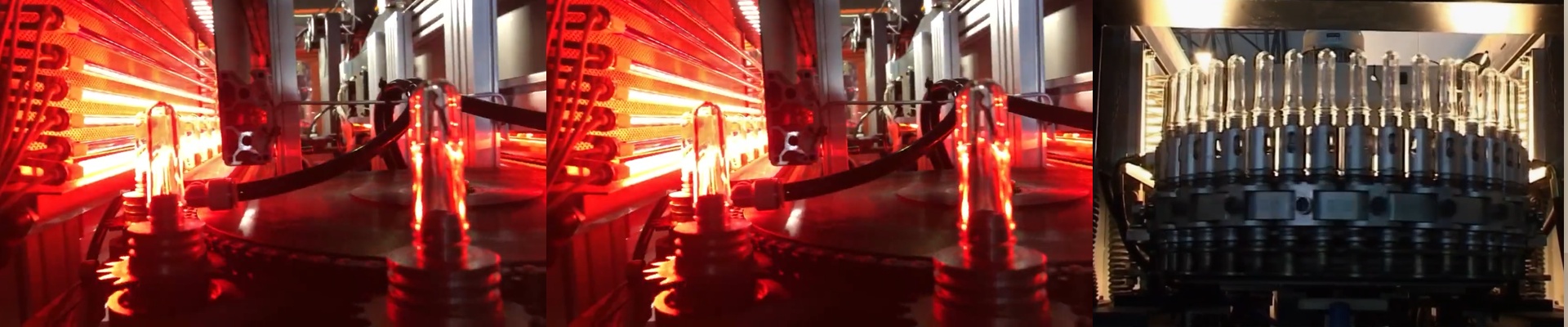
Shortwave IR works at a higher frequency. In plain English? It sinks deeper into the food, and it does it way faster than those old-school heating elements. We set these emitters up for high heat density. We cram a lot of wattage into a small space so the thing hits its operating temperature almost the second you flip the switch. No more standing around for twenty minutes waiting for a massive stone slab to warm up. The heat is just… there.
The Build
To keep things from melting or cracking under all that stress, we use high-purity quartz tubes wrapped in stainless steel frames. The steel isn’t just for looks or protection. It actually bounces the radiant energy back down toward the pizza. It keeps the heat where it belongs—on the food—instead of letting it leak out the top. Now, a heads-up on the power side: depending on your grid, we wire these for different voltages. High-wattage tubes are the fastest, but they’re thirsty. Just make sure your breakers and contactors can handle the peak amperage, or you’ll be tripping switches all morning.
The Catch
These are designed to be easy drop-in replacements for your old heating arrays. We kept the footprint tight so you can crank up the conveyor speed. But here’s the thing: this much power requires a bit of precision. Because the heat is so aggressive, a tiny 10-second mistake is the difference between a golden crust and a charcoal brick. You’ll need a conveyor drive that doesn’t stutter. If your belt speed drifts, your consistency goes right out the window.