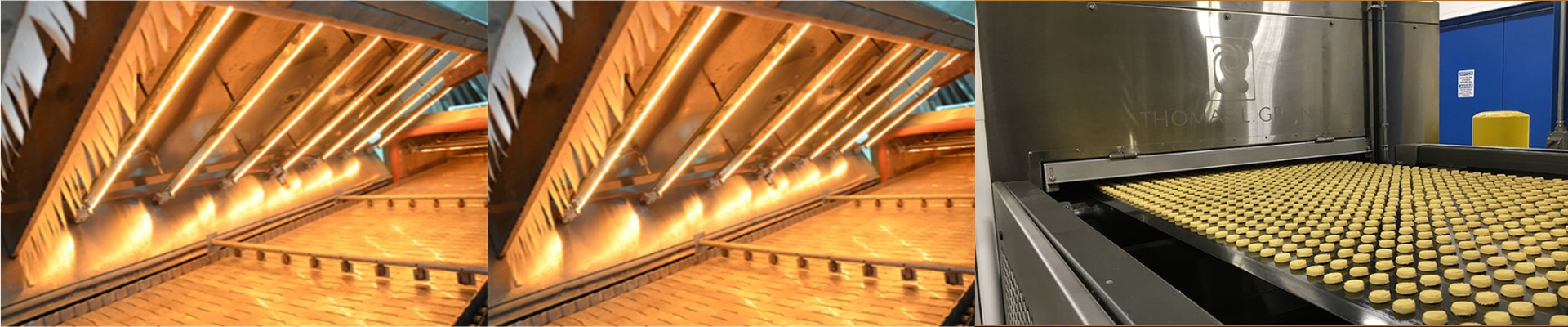
Why Quartz Tubes Actually Work in Steam Ovens
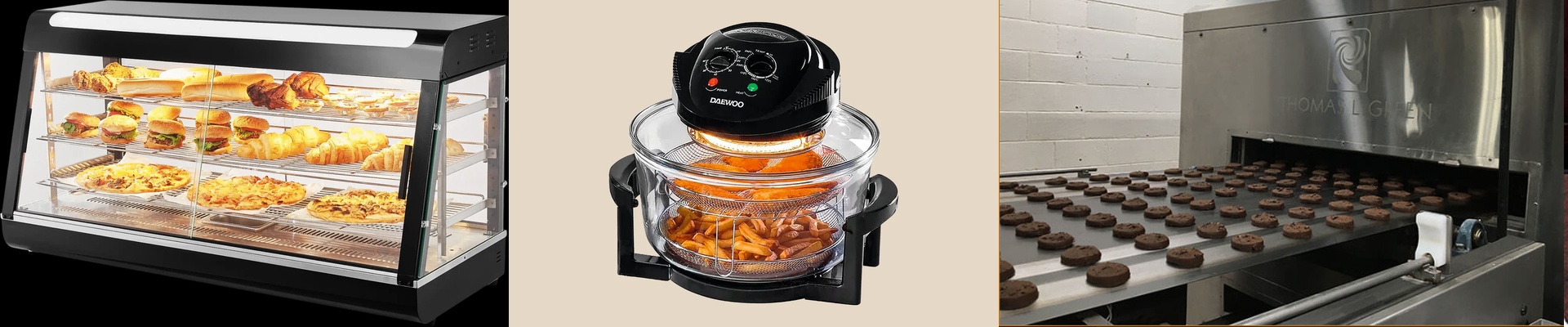
Let’s be honest: steam ovens are brutal on heating elements. You’ve got intense infrared heat on one side and heavy, wet steam on the other. For most materials, that’s a recipe for disaster. They either corrode or just snap from the thermal shock. That’s why we stick with high-purity circular quartz tubes. They’re built for this kind of chaos.
The secret is in the glass
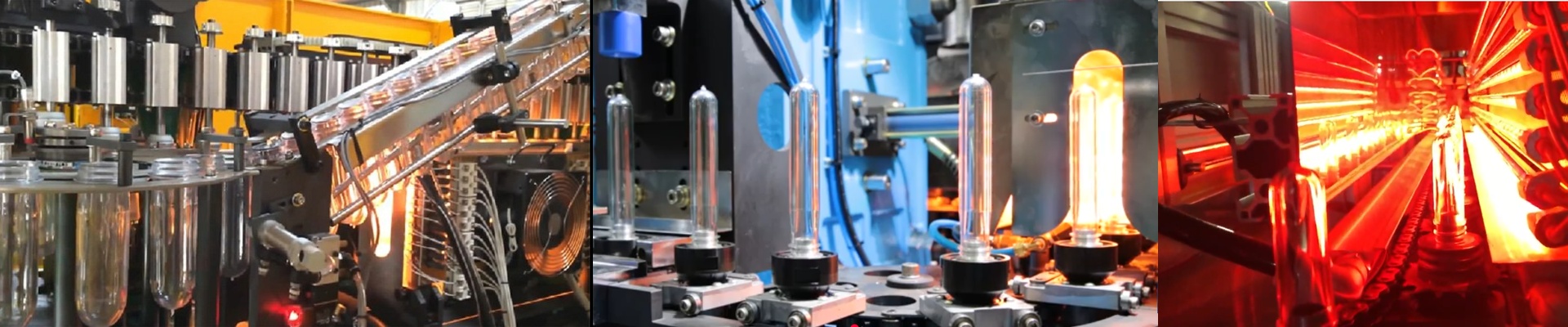
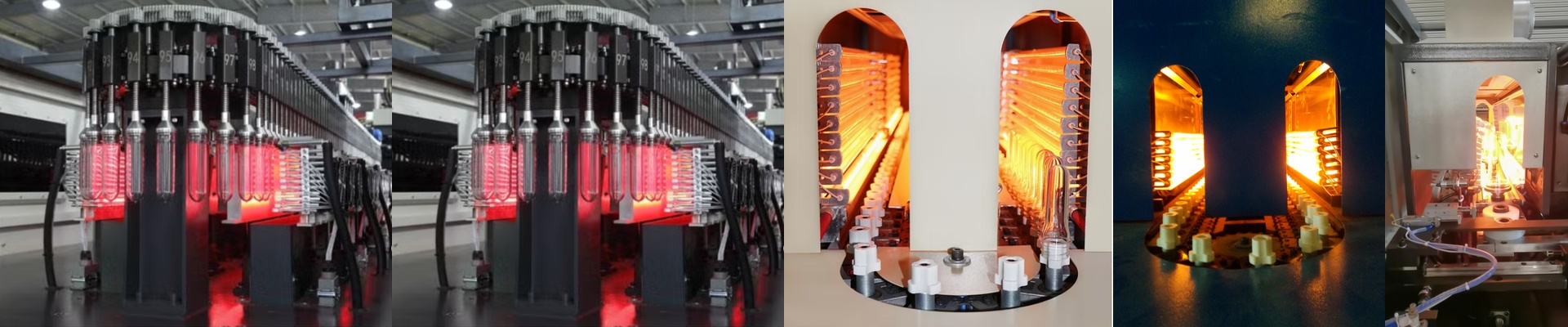
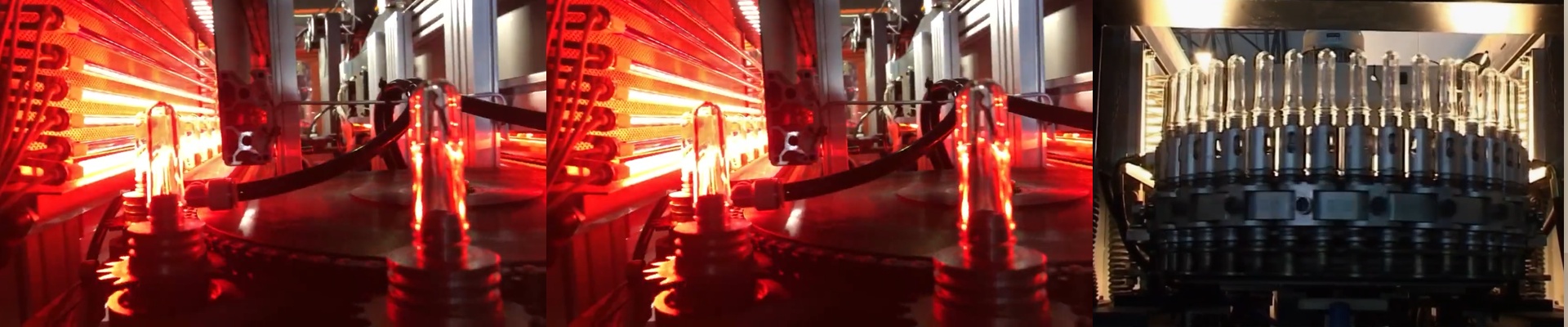
Standard glass hates rapid temperature swings. But quartz? It handles them without breaking a sweat. In a bakery, your lamps are constantly clicking on and off to keep that crust exactly where it needs to be. That means the material is expanding and contracting every few minutes. We make sure these tubes can take that beating without losing their vacuum seal. Plus, the circular shape helps spread the heat evenly. You won’t end up with those annoying hot spots that char your dough while the rest is still pale.
Keeping things stable
It really comes down to two things: the filament and the envelope. We use a tungsten filament tuned for a very specific wattage. This keeps the heat steady and predictable. Because quartz doesn’t warp under pressure, the tube stays true even when the oven is saturated with steam. But here is the catch:the seal is everything. If those end-caps aren’t 100% airtight, steam leaks in and kills the filament instantly. It’s a total loss. To stop that from happening, we use specialized sealing compounds that keep the humidity out and the internal atmosphere safe.
Getting them installed (and keeping them alive)
These tubes are designed to be simple drop-in replacements for most industrial setups. They wire up quickly. But a quick tip:keep your reflectors clean. If grease builds up on the reflectors, your efficiency tanks. The lamps have to work twice as hard and run hotter to compensate, which just kills their lifespan. It’s a waste of money. And while high-wattage quartz lamps get your oven up to temperature fast—which is great for your workflow—that heat puts a lot of stress on your electrical contacts. Do yourself a favor and check your wiring for oxidation every few months. It takes five minutes and saves you from annoying voltage drops.