Stop Fighting Your Equipment: Why Fast Temp Control Actually Saves You Money
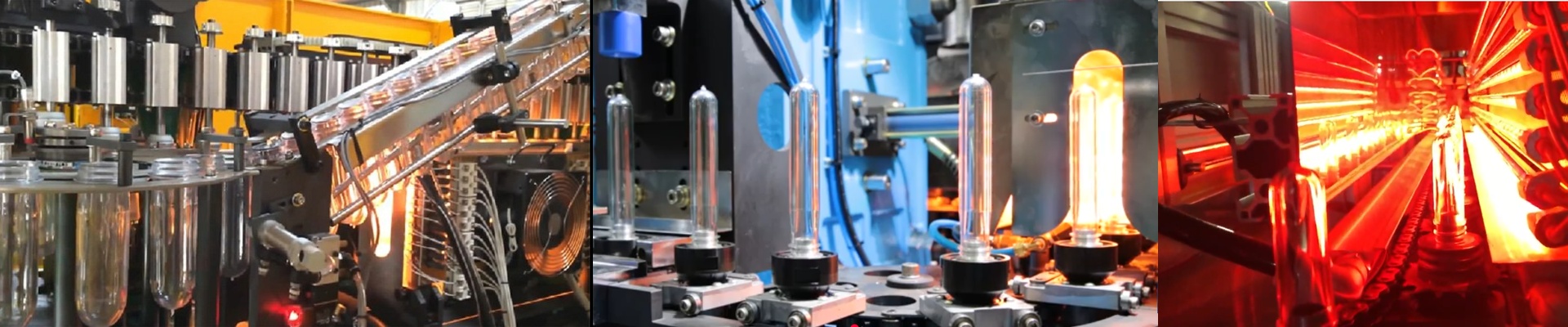
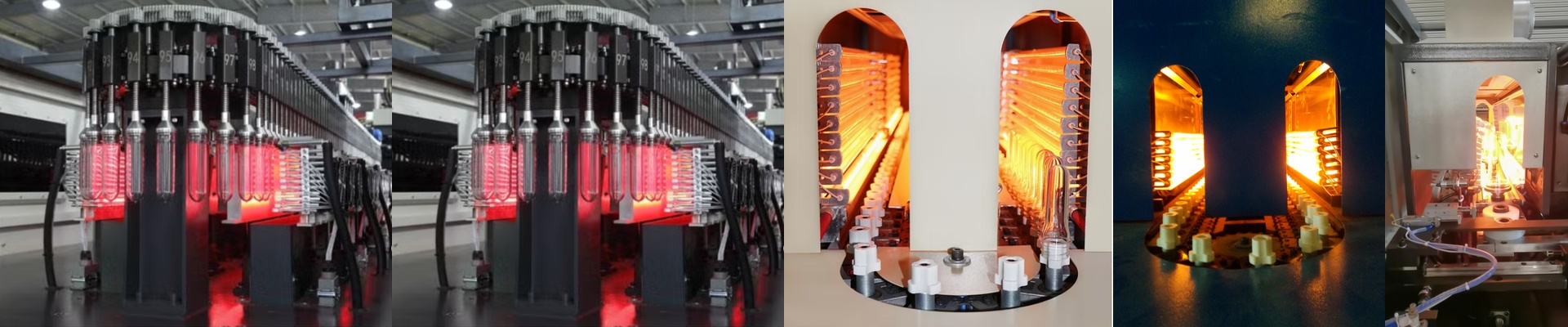
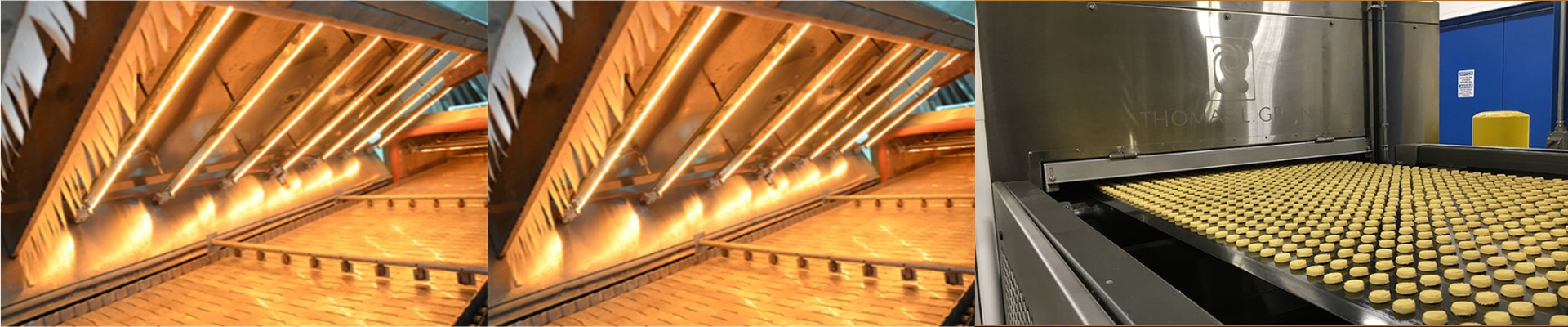
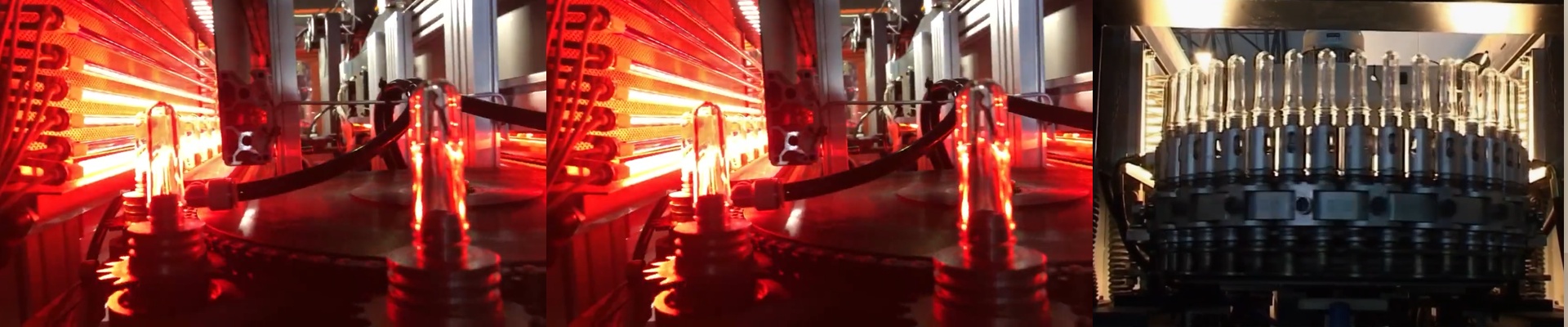
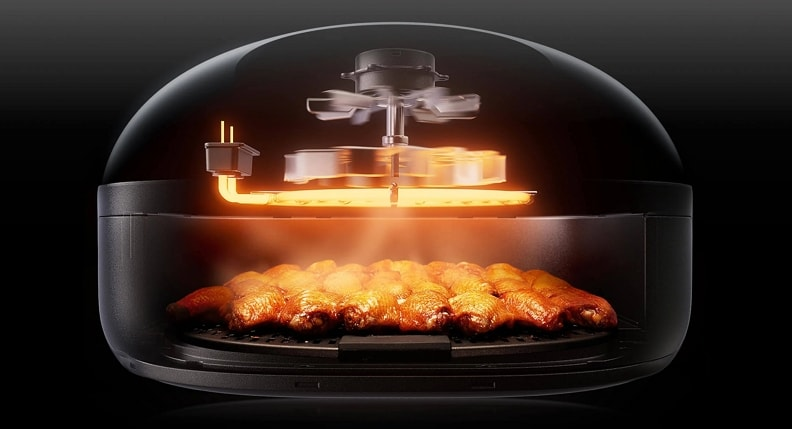
Most engineers think “fast response” is just a vanity metric—like a faster 0-60 on a car. But in a rotary oven, it’s not about speed for the sake of speed. It’s about stopping the waste. If you’re using those old-school, thick-walled heaters, you’re dealing with a lot of thermal inertia. The problem is that the element stays scorching hot long after the controller tells it to shut up. You spend half your time fighting your own gear just to keep the temperature from spiking. It’s frustrating, and it’s expensive. The secret is in the ceramics. We use a specific ceramic blend to strip away as much unnecessary mass as possible between the heating element and the surface. This gets us down to second-level response times. The difference? When the PID controller cuts the power, the heat drops almost instantly. You aren’t throwing kilowatts into a heavy ceramic block that does absolutely nothing for your drying process. Why those few seconds hit your wallet Think about how a rotary oven works: the product is always moving. If your heater takes 30 seconds to realize the temperature has dropped, you’re stuck in a lose-lose situation. You either under-dry the product, or you crank the heater way too high to make up for the lag. That “over-firing” creates these massive energy spikes. It’s that classic “sawtooth” power pattern you see on old systems. By tightening that window, we can actually track what the load needs in real-time. No more guessing. No more wasting power. One thing to watch out for There is a trade-off, though. Low-inertia heaters are a bit tougher on your switching gear. Since you’re cycling the power much more often to keep that temperature steady, old mechanical relays won’t cut it. They’ll just burn out. You’ll want solid-state relays (SSRs) to handle the rapid-fire switching. Just a heads-up: if your electrical cabinet isn’t built for high-frequency switching, your heaters are going to outlast your relays. Make sure your gear can keep up.