Stop Letting Temperature Dips Ruin Your Batch
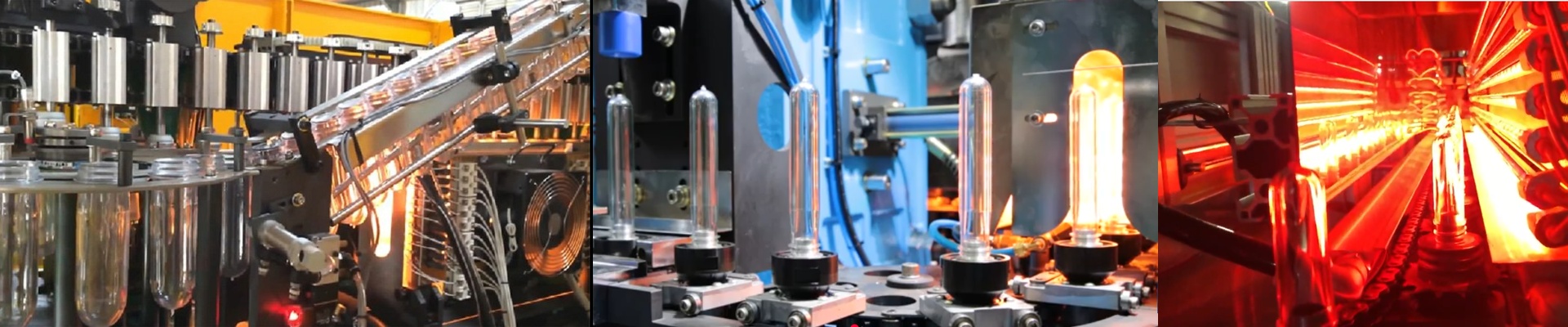
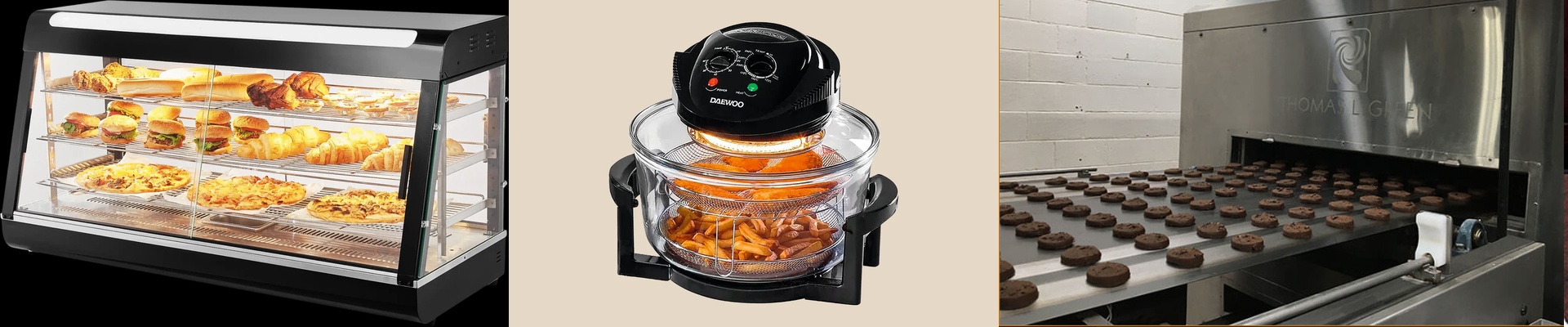
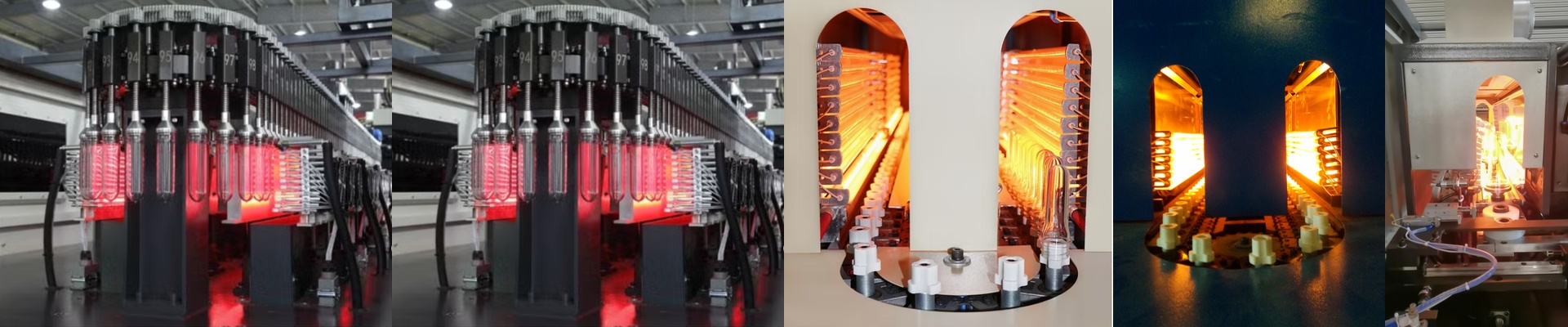
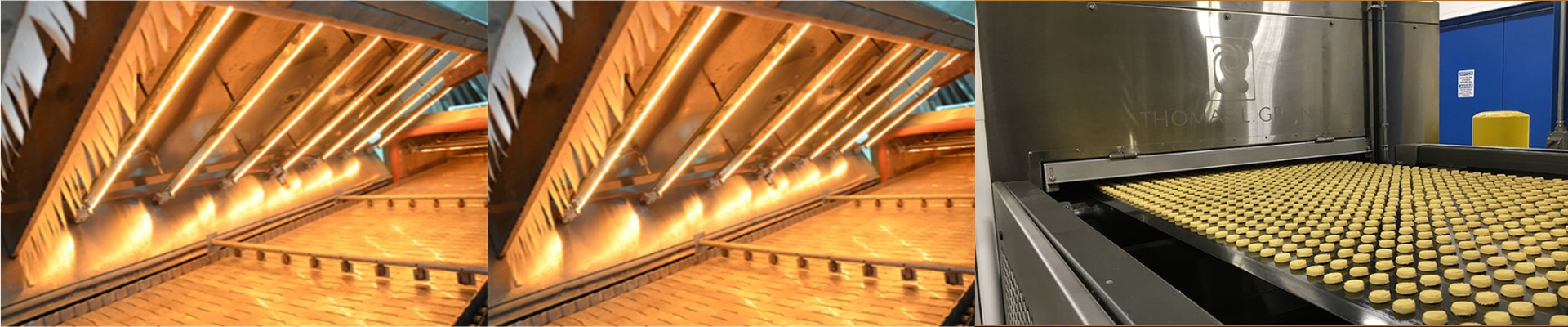
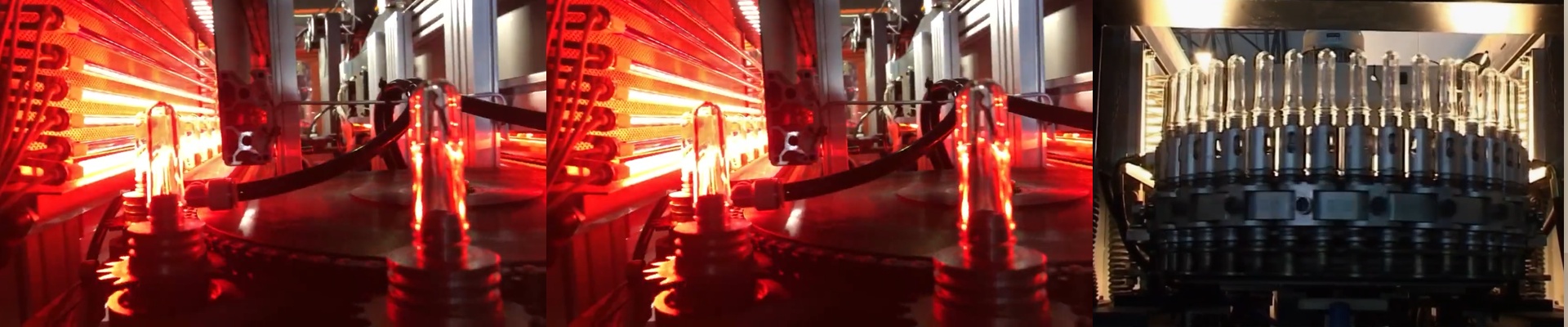
Ever notice how a convection oven seems to freak out the moment someone opens the door or the shop floor gets a bit chilly? One minute you’re on track, and the next, your internal heat just tanks. It’s frustrating. To fix this, we use infrared (IR) thermal elements paired with a system that reacts in real-time. It basically stops those temperature dips before they can mess up your product. How it actually works Here’s the thing: convection is just moving air, and air is honestly pretty bad at conducting heat. It’s slow. By adding IR elements, we’re bringing in direct radiative heat. It doesn’t sit around waiting for the air to warm up—it just hits the target. We hook these elements into a closed-loop PID control system. The second the sensor feels a drop, the IR element fires. It kills that lag time you usually get with convection currents. Getting the specs right You can’t just throw any element in there. You have to match the wattage to the actual size of your oven. If you go too heavy on the wattage? You’ll end up with scorched edges and nasty hot spots. But if you under-spec it, the system won’t bounce back fast enough after you load a new batch. We usually stick with quartz-sleeved elements for reheating. They can handle the constant on-and-off cycling without cracking. The tricky parts When you’re wiring this up, don’t use mechanical contactors. They’re too slow. Plus, they make that constant clicking sound and eventually just wear out because they’re pulsing so much. Go with a fast-switching SSR (Solid State Relay) instead. One last tip: remember that IR heat is intense and focused. You can’t have the element staring directly at your most sensitive materials. If it’s too close, you’ll char the surface while the inside stays ice cold. It’s all about balance. Position your elements carefully and tweak your fan speed until you get that perfect, uniform soak.