
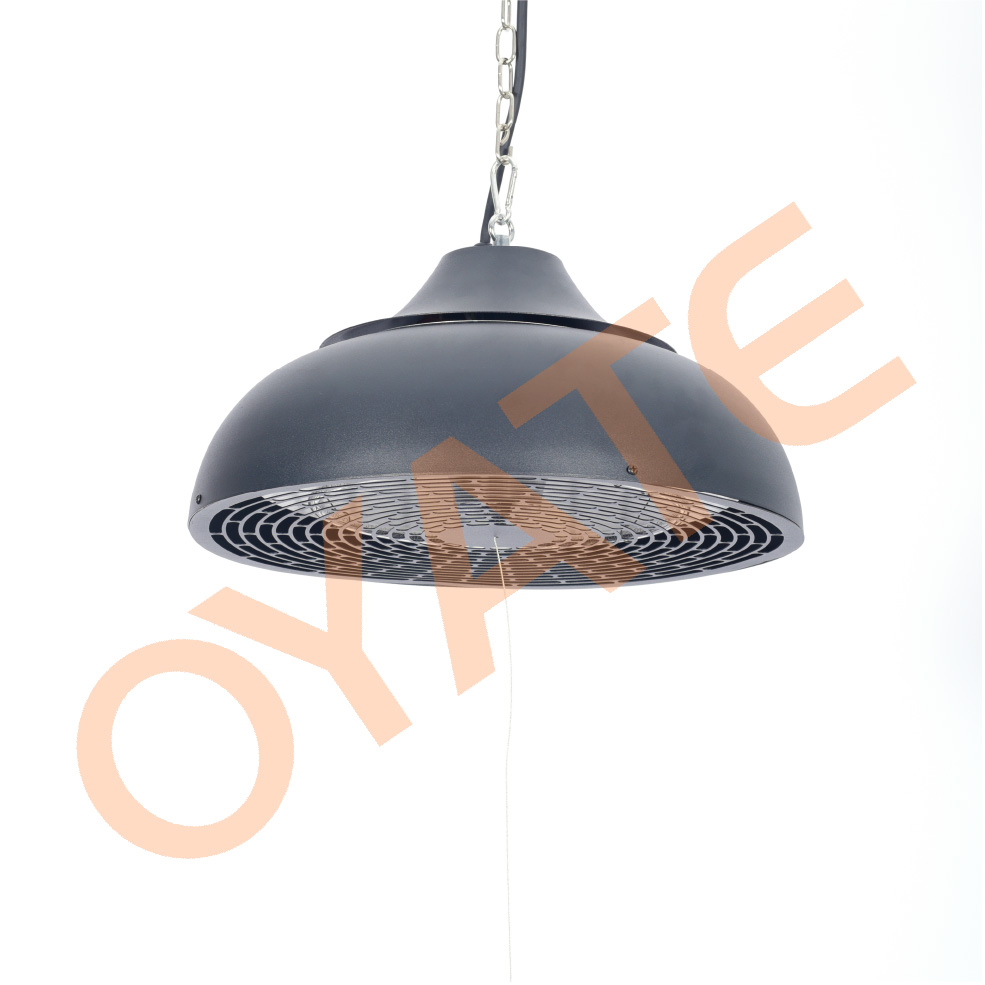
Dealing with High-Ceiling Infrared Heaters (Without the Headache)
Let’s be honest: putting infrared heaters 10 meters up in the air is a logistical nightmare. When a heating element finally gives out, the cost of the part is the least of your worries. The real pain is renting a scissor lift, blocking off a section of your floor, and watching production grind to a halt while someone spends half a day tinkering with a ceiling fixture. We got tired of that. So, we built our high-ceiling units to be modular.
The “Swap and Go” Approach
Most industrial heaters are built like a single, solid block. If one tube blows, you’re usually stuck stripping the entire chassis just to get to it. It’s tedious. We did things differently. We use a plug-and-play system where every heating element sits in its own tray with quick-release fasteners. You don’t have to mess with the main control panel or rewire anything. You just pull the dead module, slide in a fresh one, and lock it down. What used to be a four-hour teardown now takes about ten minutes. It’s a massive relief for anyone actually doing the work.
The Trade-offs
To get heat all the way down to the floor without it disappearing into the rafters, we use high-wattage shortwave elements. They’ve got the punch needed to cover those vertical distances. But that kind of power is tough on connectors. To stop arcing and burnt contacts, we use reinforced industrial terminals. You’ll notice our heaters take up a bit more space than the integrated ones. They have a larger footprint. But honestly? That’s a small price to pay to avoid replacing an entire assembly just because one tube reached its limit.
The Five-Year Reality Check
Here is the thing about thermal cycling: it eventually wears down the filaments. It just happens. If you have a traditional setup, you’re looking at a full system overhaul around the five-year mark. It’s a huge, expensive shock to the budget. With a modular setup, you can just phase the replacements. Replace the tubes as they burn out, or set a simple schedule to swap a few every year. Your maintenance costs stay flat, and you never have to deal with the panic of a total system failure.