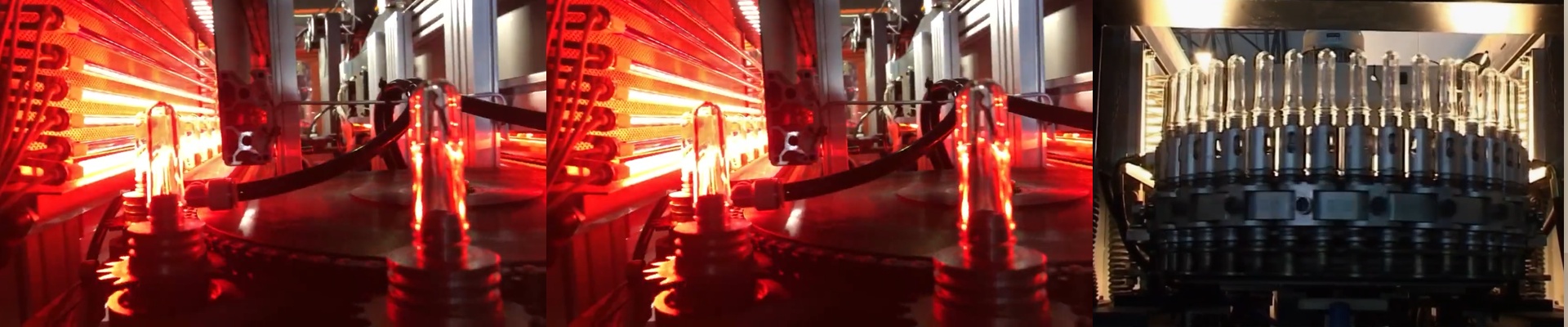
Stop Tearing Your Heaters Out of the Ceiling
Most people install infrared heaters and then completely forget about them. That is, until a tube burns out. Usually, that happens about five years in. And that’s when the headache starts. You aren’t just paying for a new part—you’re paying for hours of labor and the nightmare of a production line that’s just sitting there, dead in the water. We got tired of seeing that happen. So, we changed how we build our modules.
A Better Way to Swap Tubes
We stopped doing those clunky, hard-wired assemblies. Instead, we built a modular chassis that keeps the heating elements separate from the main housing. What does that actually mean for you? It means you don’t have to rip the entire unit off the ceiling or dismantle your machine frame just to replace one dead lamp. We used quick-release fasteners for easy access and swapped out permanent solder joints for standardized, high-temp connectors. Now, a technician can just pull the failed tube and pop a new one in. It takes minutes. Not hours.
The Honest Trade-offs
Look, nothing is perfect. Modular designs take up a bit more room. Your footprint will be slightly larger than if you had a single, welded piece of metal. Also, because there are more mechanical joints, you’ll need to keep an eye on your mounting screws during your yearly check-ups. A quick torque check prevents them from rattling loose over time. It’s a small price to pay for the convenience.
The Real-World Win
When you’re planning for the next five years, you have to think about the “shop-floor” reality. A modular design turns a grueling four-hour repair job into a fifteen-minute swap. You still get the same heat and the same power, but you stop wasting money on excessive labor every time a quartz tube hits its limit. It’s just a more practical way to keep things running.