Does Fast Response Actually Save Energy? Let’s Talk Temp Control.
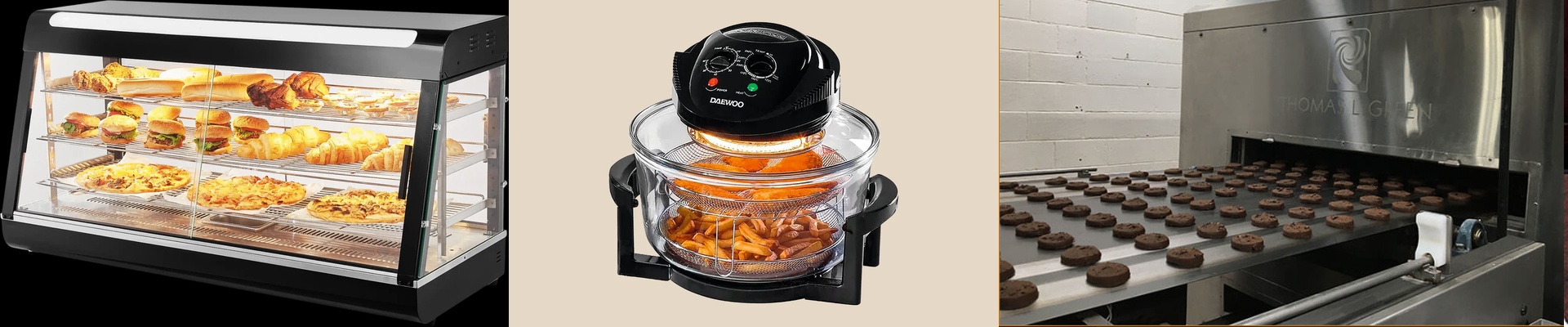
Most engineers think saving energy is all about lowering the wattage. But if you’re building something like a hot dog warmer—where food is coming and going constantly—that logic doesn’t really hold up. Actually, the trick is the opposite. You want an IR emitter that hits the target temperature in a heartbeat and shuts off just as quickly.
Why speed matters (The physics part)
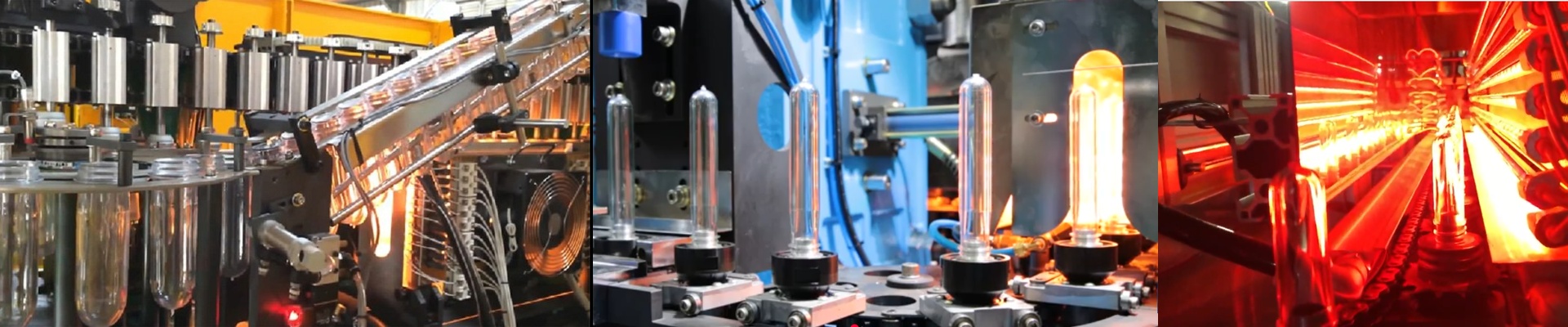
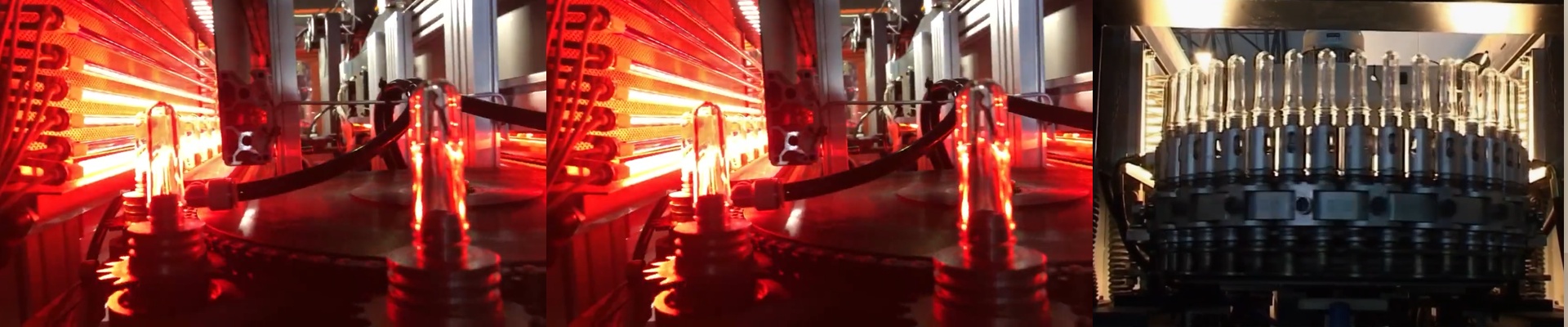
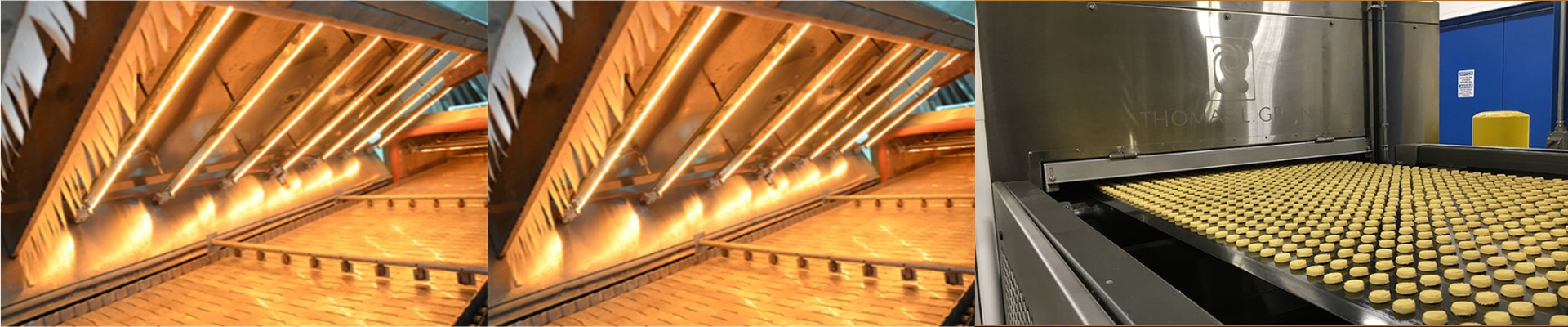
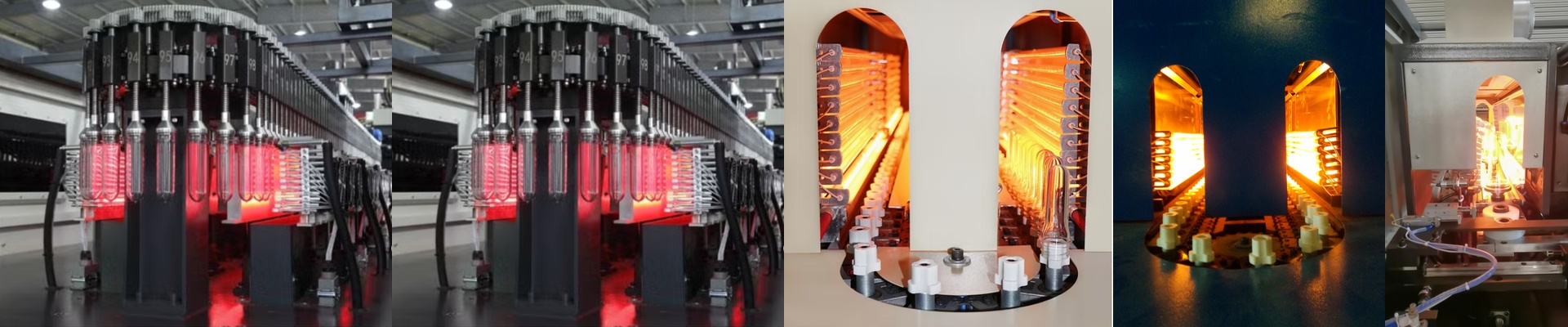
We use short-wave halogen IR emitters for this. Now, unlike those old-school heating elements that have to soak up heat before they can radiate it, these guys use electromagnetic waves. The filament hits peak temp almost instantly. Here is why that’s a big deal: it stops “thermal overshoot.” Ever notice how slow heaters stay scorching hot long after the sensor says it’s warm enough? That’s just wasted electricity. With a fast-response emitter, you can pulse the power. Pair it with a PID controller, and the lamp just flickers on and off in quick bursts. It’s precise. No more energy bleeding out of a warming tray that can’t stop itself.
The hardware side of things
To get that kind of speed, we use high-purity quartz glass and a halogen gas fill. It keeps the filament from falling apart when things get extreme. You get a tiny footprint, but a massive amount of heat. But a word of warning: that intensity is hard on your sockets. If you try to save a few cents with cheap connectors, the heat will literally melt your housing. Stick with high-temp ceramic bases. Trust me, it beats dealing with a burnout.
Making it work in your design
Switching to these emitters lets you move from “always on” to “on-demand.” You’ll see the total kWh per cycle drop. Just a heads-up on the power supply—make sure it can handle the inrush current during those quick start-up spikes. If your circuitry isn’t ready for that peak load, you’re going to be tripping breakers all day.