Stop Guessing Your Oven Temps: Getting Sidel Matrix Heating Right
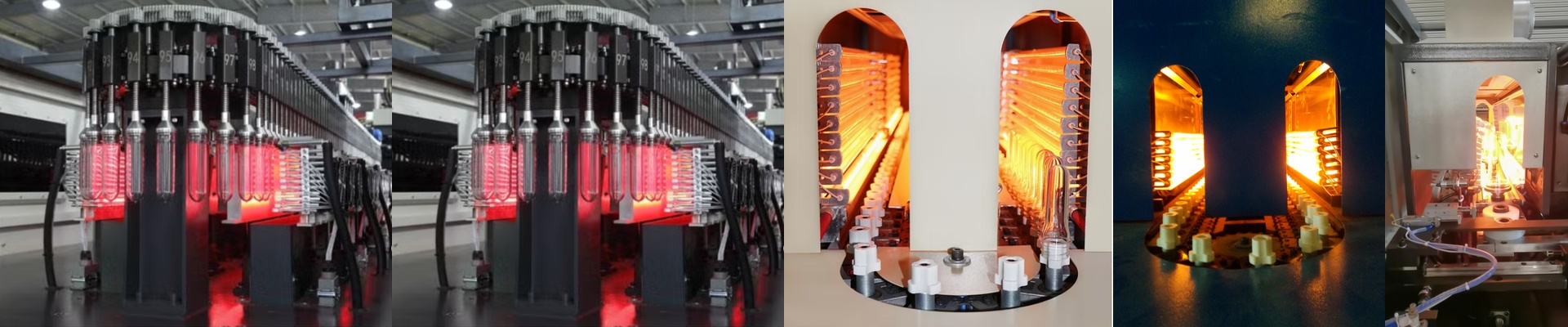
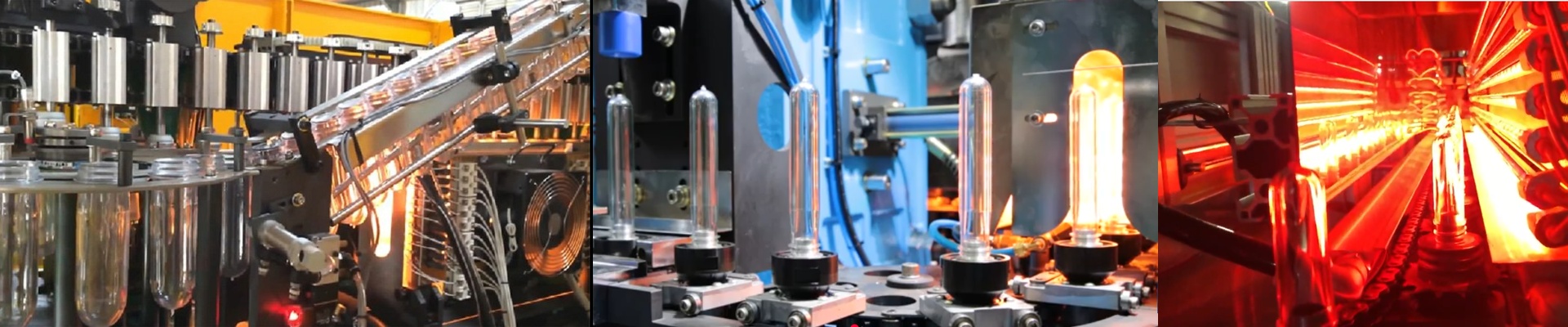
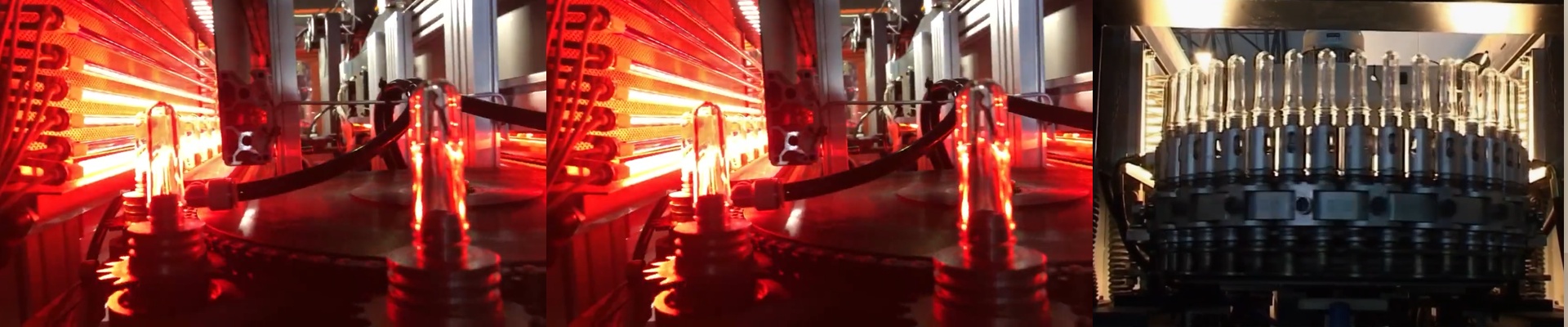
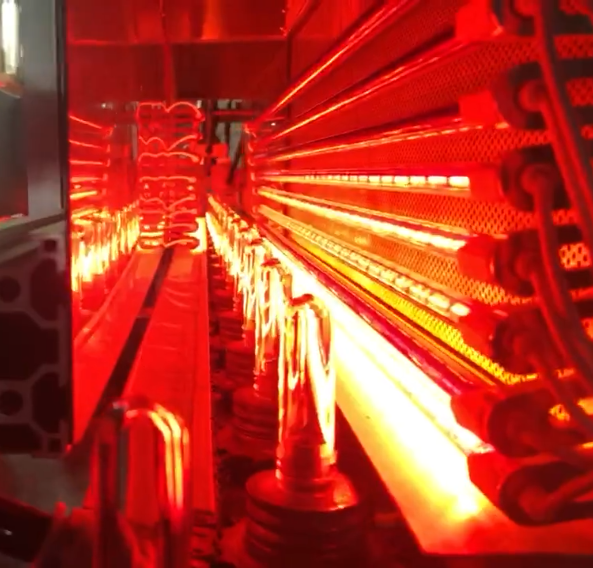
Here is the problem when you swap out OEM lamps in a Sidel Matrix or SIG Blomax 6: everything shifts. If the wattage or spectral output is even a tiny bit off, you’re in trouble. Your PET preforms either come out under-heated or, worse, scorched. It’s a nightmare. That’s why we built our replacement lamps to be a true drop-in. They mirror the original factory specs so you don’t have to play a guessing game with your heat. It’s more than just wattage. A lot of people think if the wattage matches, they’re good to go. It doesn’t work like that. We focus on the voltage and resistance to make sure the power density—per millimeter—is exactly what the OEM intended. Why? Because if the voltage is off, the filament temperature shifts. That changes the infrared wavelength. We’ve tuned these lamps to hit the exact thermal footprint of the Sidel system. This is the best part: your PLC settings and oven timing stay exactly where they are. No spending six hours recalibrating the machine. No risking a whole batch of deformed bottles. The nitty-gritty details We use high-purity quartz glass. It has to be, because the thermal cycling in PET blowing is brutal. Plus, the connectors are built to the same mechanical tolerances as the original sockets. You won’t deal with those annoying loose fits or sparks at the terminals. We also obsess over centering the filament. If it’s not perfectly centered, you get “cold spots.” Those spots lead to uneven wall thickness in your bottles, and nobody wants that. One quick heads-up High-density infrared lamps put a lot of stress on your electrical setup. And since these lamps match the OEM output, they put out a lot of heat inside the oven. Check your cooling blowers. Make sure they’re clean and actually moving air. If your airflow is clogged, even the most perfect lamp will overheat your preforms. It’s just physics.