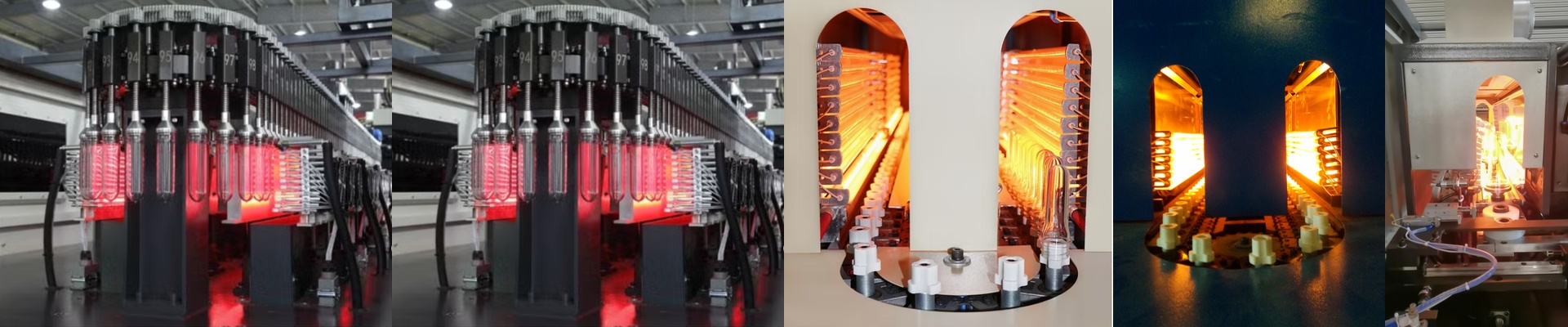
Sidel SBO 24 Series 2 Infrared Radiator: The Drop-in Workhorse That Just Fits
Let’s cut to the chase. If you’re running a Sidel line—older SBO machines or the newer Matrix models—this infrared radiator is built to drop right in and get the job done. No messing around with rewiring panels or reworking mounts. We built it to end the headache of running mixed equipment. You plug it in, and it works. Plain and simple.
Power, Voltage, and Size: What It Brings to the Table
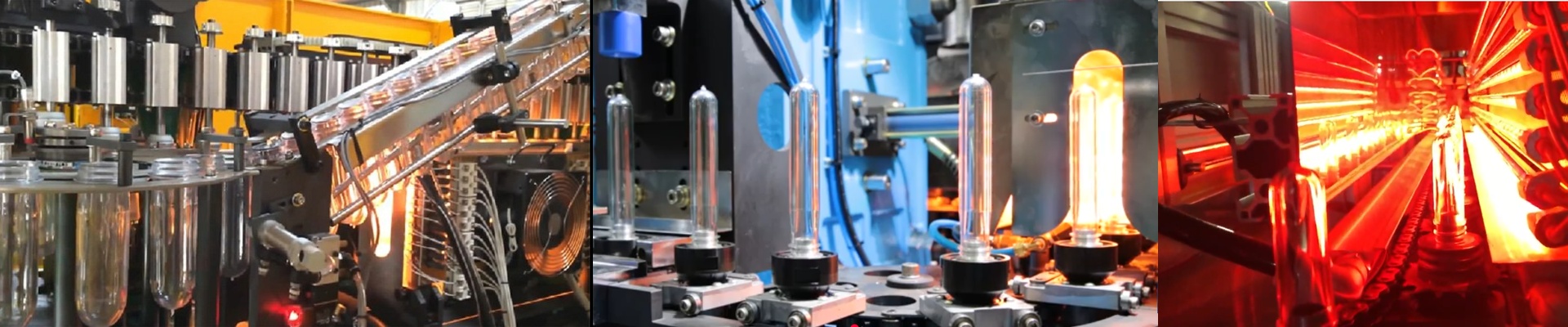
We focused the SBO 24 Series 2 on the spot that always needs heat the most: the preform neck and body. It runs on 400V, pulling the current needed for high-wattage elements packed into a tight space. That voltage choice keeps the load manageable on standard industrial power while still delivering the heat density PET blowing needs. And the size? It matches the original equipment exactly. Same mounting points. Same clearance. Same thermal footprint. No guesswork. No custom brackets. Wire it up, set your parameters, and you’re off.
Material and Design: The Details That Save You Time
Inside the quartz tube, you’ve got a shortwave infrared element. Why? Because it responds fast and gives you tight control. The coating isn’t just for looks. It shields the filament from thermal shock and chemical attack, so output stays steady over long runs. That means less drop-off over time and longer stretches between service. The R7s connector? It’s an industrial standard for a reason. It handles high heat, locks in securely, and makes replacement quick. On the floor, that translates to less downtime and fewer spares tied up in inventory.
Real-World Performance: Heat, Speed, and Reliability
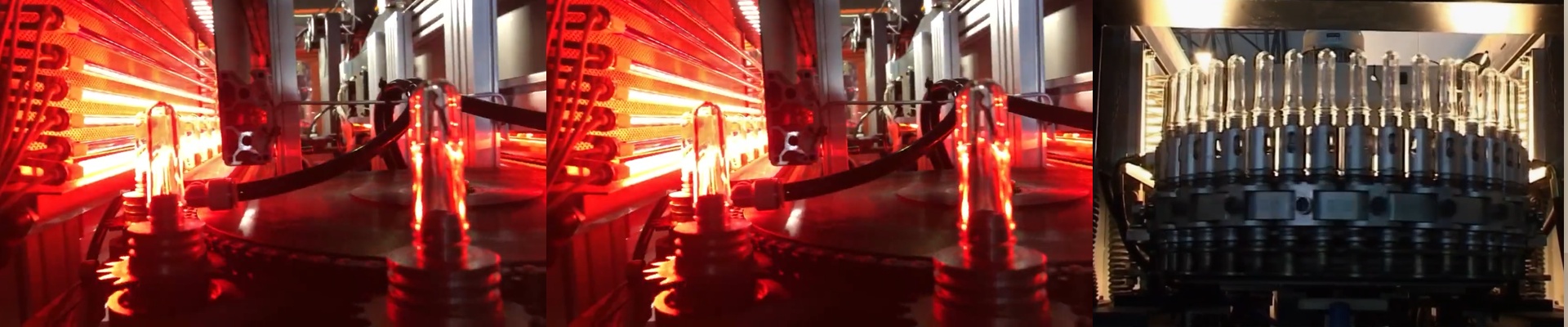
In PET blowing, heat has to hit the preform quickly and evenly. The SBO 24 Series 2 nails that with fast ramp-up and stable temperature control. It runs hot without pushing your electrical system, and it takes a beating without giving up early. Now, there’s one thing to keep in mind. With high-density infrared output, your cooling system has to keep up. Make sure your airflow and heat exchange match the wattage. When they do, you get consistent cycles, steady output, and a drop-in upgrade that keeps the whole line humming.