

Fixing the Bubble Problem in Aluminum Wheel Coating
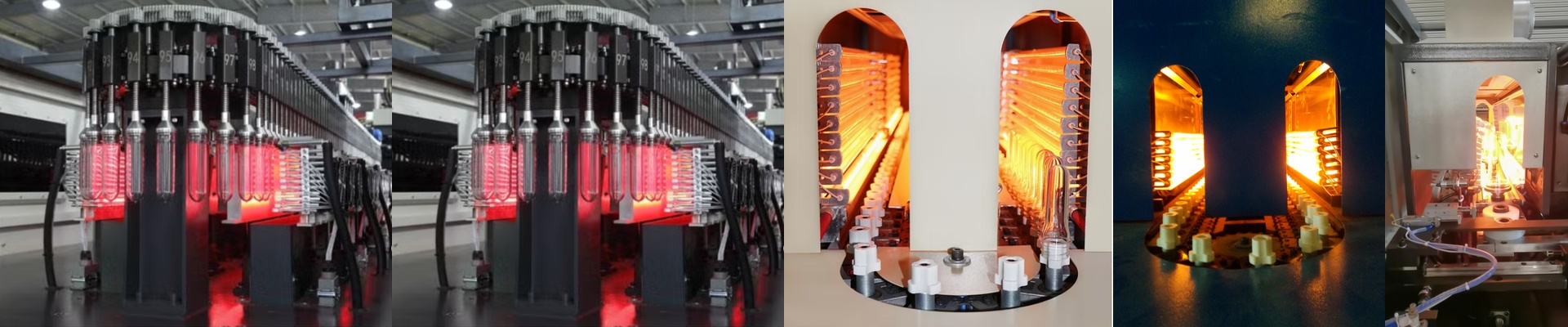
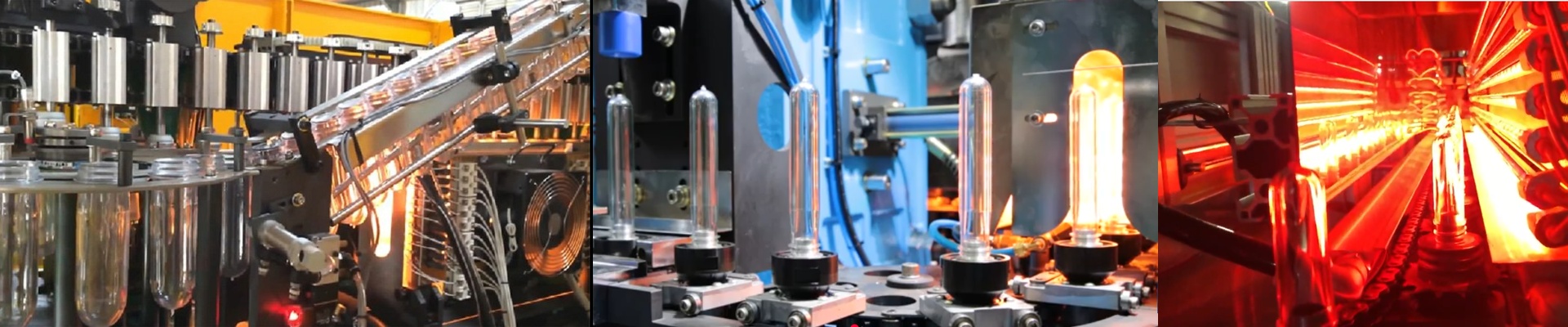
If you’re running powder coating lines for aluminum wheels on ROQ dryers, you’ve probably dealt with the headache of solvent entrapment. It’s a pain. Basically, the surface skins over too quickly, trapping gases inside that eventually punch through the coating. You end up with bubbles and pinholes that ruin a perfectly good wheel. We deal with this using high-density IR lamps. They’re designed to be drop-in replacements for Heraeus specs, so you don’t have to rebuild your whole setup. Getting the flow right To kill those bubbles, you need the heat to hit just right. We’re looking for “flow”—that sweet spot where the powder melts and levels out smoothly. If the heat is too low, the coating stays thick and gooey for too long. Too high? You’ll burn the surface before the gases have a chance to get out. Our lamps are built to deliver a concentrated punch of heat that sinks deep into the coating fast. It forces the air out before the film seals shut. The gear behind it We use short-wave quartz technology here. Why? Because we need the energy to hit the aluminum directly. Aluminum wheels aren’t flat—they’ve got spokes, rims, and weird angles. Because of that, we match the lamp’s wattage and length to your conveyor speed. We also use high-voltage setups to keep the heat consistent across the entire tube. No cold spots. No uneven curing. A quick heads-up on the trade-off Here’s the thing: high heat density is a bit of a double-edged sword. When you push these lamps to the limit, your dryer’s cooling system has to work harder. If your exhaust fans can’t keep up with the ambient heat, you’ll cook the lamp ends and kill the tubes way faster than you should. And please, keep your reflectors clean. It sounds simple, but a bit of dust can tank your efficiency by 15% and create hotspots on your wheels. Not worth the risk.