
Introduction
Ever tried working in a garage that feels like it’s actively fighting you? The kind of place where a draft just sucks the warmth right out of the air, leaving your hands stiff and your patience thin? We know that feeling. So we built infrared heaters for exactly that moment—for the workstation that needs a real, focused solution. Not some weak attempt at warming the whole bay. Our heaters deliver heat right where you need it most: on your hands, on your tools, and on the work itself.
Power and Output: It’s All About the Watts
Here’s the thing about infrared heaters: they’re rated by wattage and voltage, not by how cozy the room feels. A typical garage unit runs on 240V and packs a serious punch—between 2500W and 3000W. That kind of power density means you get heat fast. Seriously fast. We’re talking seconds, not minutes. More watts simply means more radiant energy. But there’s a catch. That much power requires your electrical setup to be up to the task. The circuit and the mounting area have to be rated for the load. So you need wiring and overcurrent protection that can handle the heater’s full draw.
The Details That Actually Matter
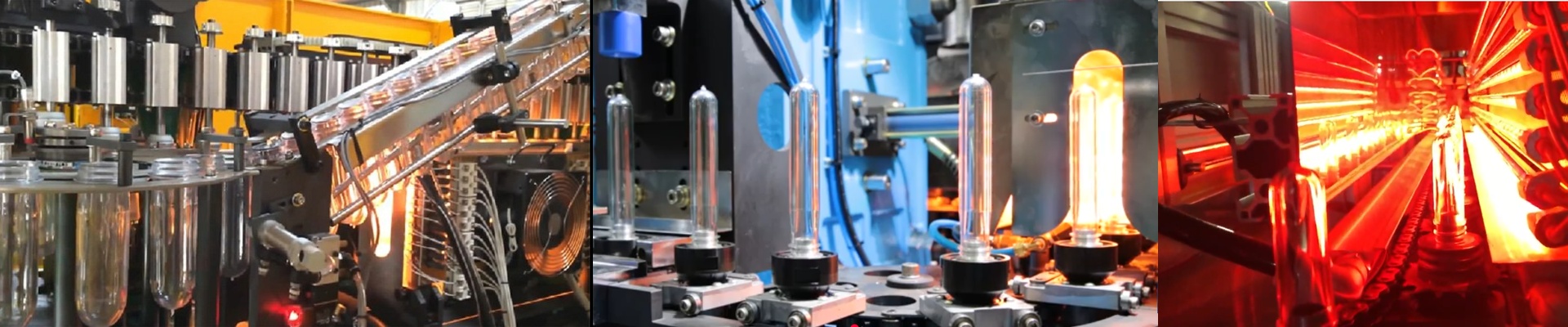
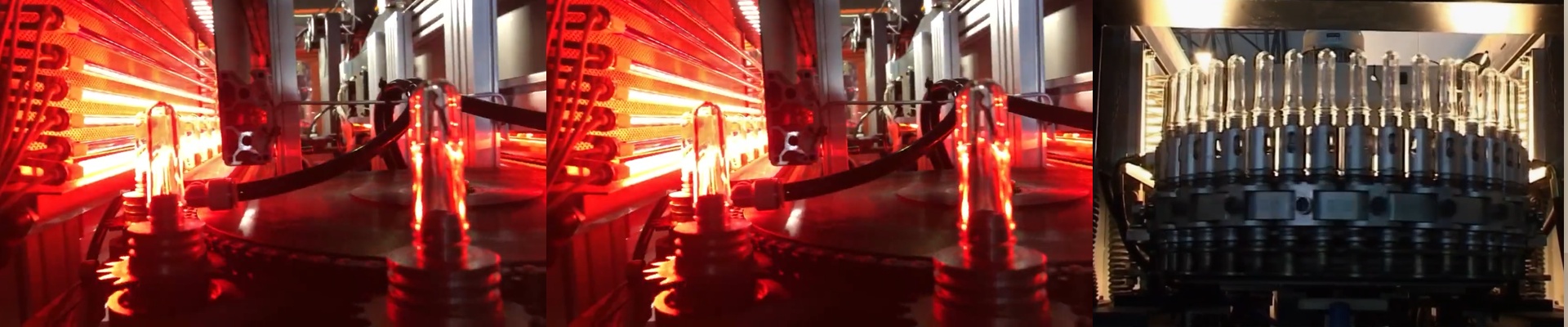
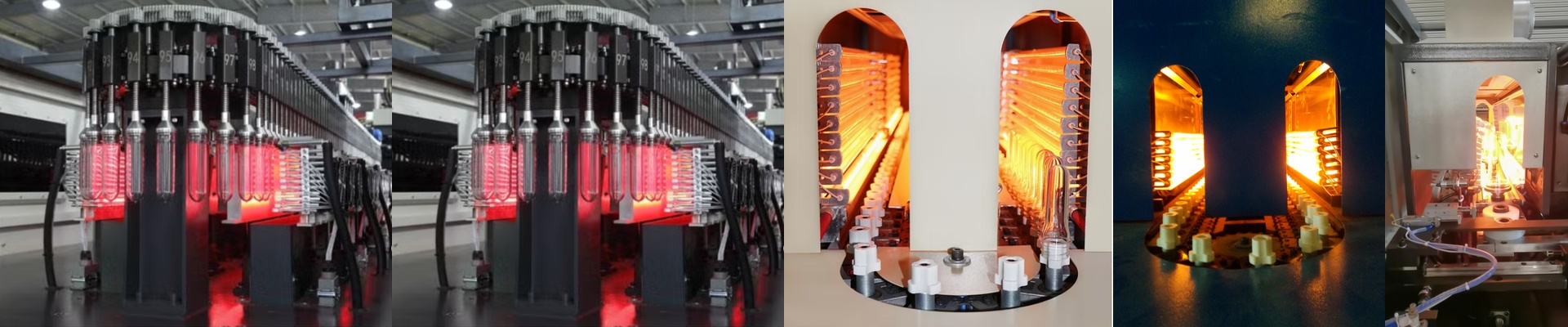
The heating element is a halogen-filled quartz tube, often coated. Why quartz? It can handle the shock of turning on and off quickly, without cracking. The halogen gas keeps the filament from going dim over time, which means the heater stays strong for the long haul. And that coating? It’s not just for looks. It helps control the infrared spectrum, so the heat is consistent and predictable. Then there’s the connector. In a shop, this matters more than you’d think. We use R7s and SK15 terminals because they’re built for industrial life. They handle high current, lock in tight, and don’t wiggle loose when things vibrate. That’s the difference between a heater that just works and one that flickers out because a connection got hot and loose.
Warm Hands, Steady Work
In a garage bay, you don’t need to heat the entire space. You just need to warm the work zone. That’s the beauty of infrared. It puts the heat right where you need it—on the tool, on the metal, and on your hands. Your fingers stay nimble, so you can actually feel what you’re doing. Threads, torque specs, fine adjustments—you’re in control. Installation? It’s straightforward. Mount the unit close to where you work, wire it to the right circuit, and point it where you want it. The result is targeted warmth that holds its own against open doors and drafts. The work keeps moving, and you stop fighting the cold.