

Nothing kills a patio or sunroom plan faster than getting the voltage and plug wrong. You end up with a heater that should be working the room, sitting idle because the outlet doesn’t match—or you’re forced into an expensive rewire. We built our programmable electric infrared heaters to clear that hurdle first. The promise is straightforward: global compatibility, no compromises.
What actually matters, electrically
We cover the voltages most homes and businesses run—120V and 240V—with engineered variants for other common supply standards. Then we match the plugs people actually have: NEMA, Schuko, BS1363, IEC, and regional equivalents.
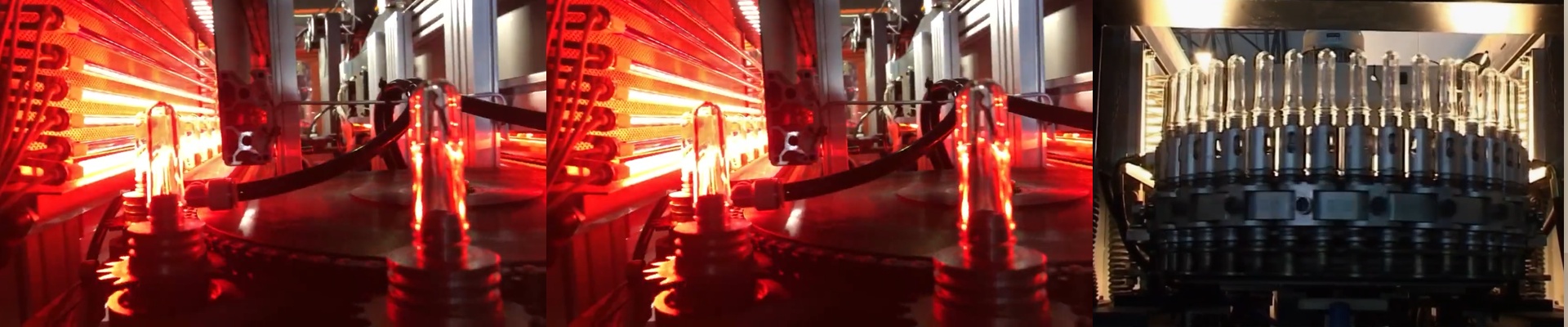
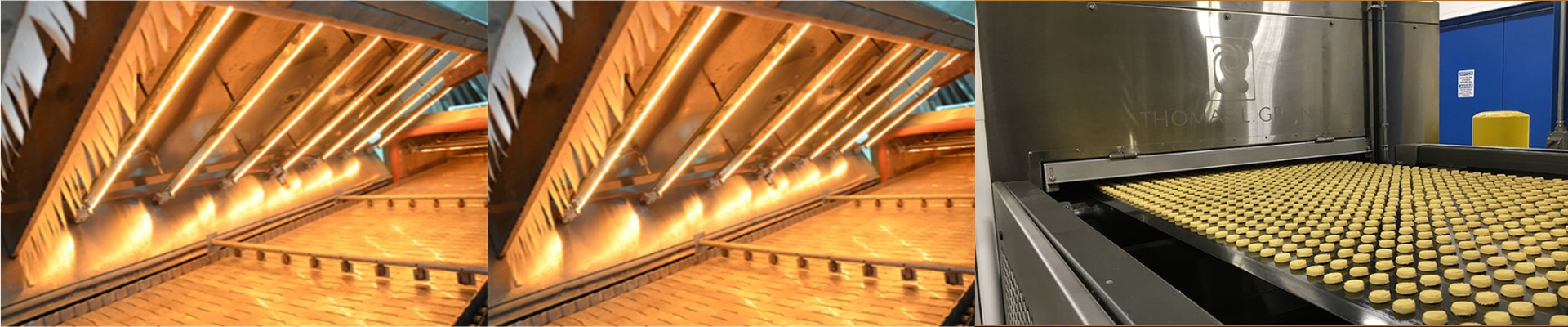
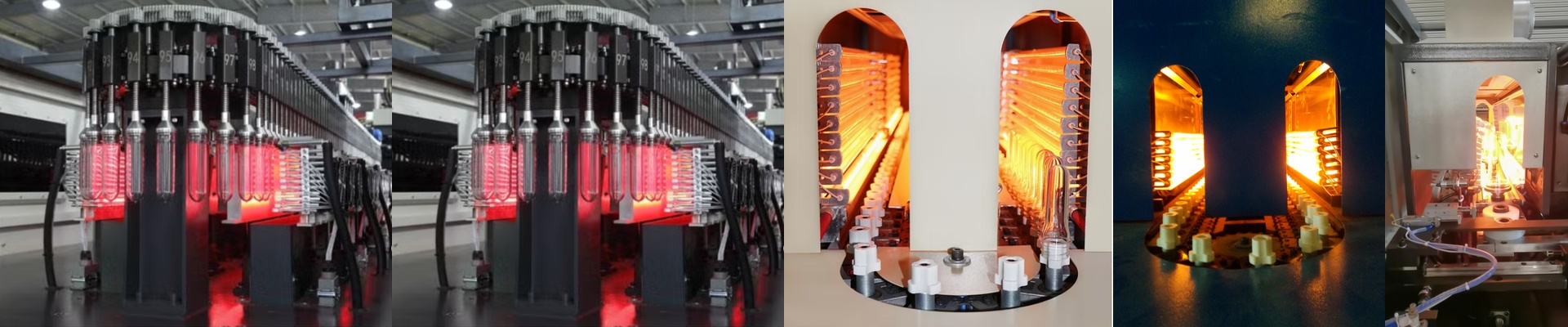
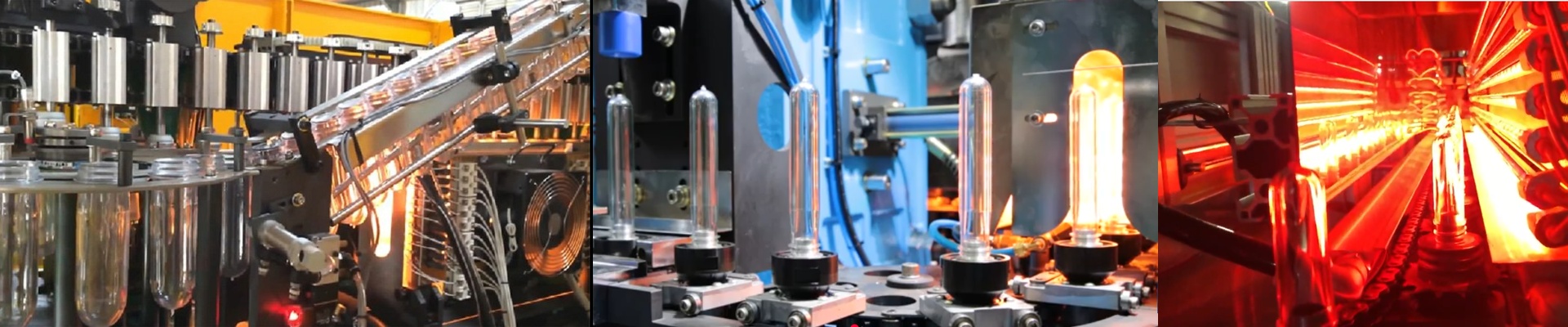
Inside, the heating element is infrared—quartz or carbon fiber, depending on the model—because radiant heat warms people and objects directly, not just the air. A programmable thermostat keeps output steady, so you can preheat for a dinner seating and then let the unit hold a comfortable background level.
Safety is built in the way it has to be: tip-over protection shuts the heater down if it’s knocked over, and the outer grill is designed to stay cool enough for home use.
Why this approach holds up in real installations
When you can spec the same heater platform across countries, you simplify the job. Same model family, same mounting footprint, same user interface—only the power cord and plug change.
Outdoors, infrared warmth feels natural the moment you step under it. You get heat where you need it, without noisy air movement pushing the chill around.
In commercial seating areas, that comfort translates into fewer empty tables on cooler evenings and faster turnover, because guests aren’t bailing early. At home, the programmable control helps you run heat only when you need it, which can cut down on wasted energy.
The details that save headaches
Matching voltage and plug type is non-negotiable. The safest move is confirming your local supply and outlet style before you order.
Most units need a dedicated circuit, so for hardwired installs, bring in a licensed electrician.
And remember: infrared heaters perform best in sheltered outdoor spots. In very exposed areas, wind can rob perceived warmth, so placement matters.