

Why “Thermal Inertia” is a Nightmare for Precision
Ever notice how some ovens just can’t seem to hit the mark? You set the temperature, the thermostat clicks off, but the heat keeps climbing. By the time the oven actually cools down, you’ve overshot your target by 10 degrees. It’s frustrating, and in a professional setup, it’s a disaster. That happens because of thermal mass. Basically, heavy metal heating elements act like giant sponges for heat. They soak it up, hold onto it, and then leak it out long after you’ve told them to stop. We decided to stop fighting that battle and just change the hardware. We switched to frosted quartz infrared heaters. These things have almost zero thermal mass. They don’t “store” heat; they just move it. The second you cut the power, the heat stops. Just like that.
Fast. Really fast.
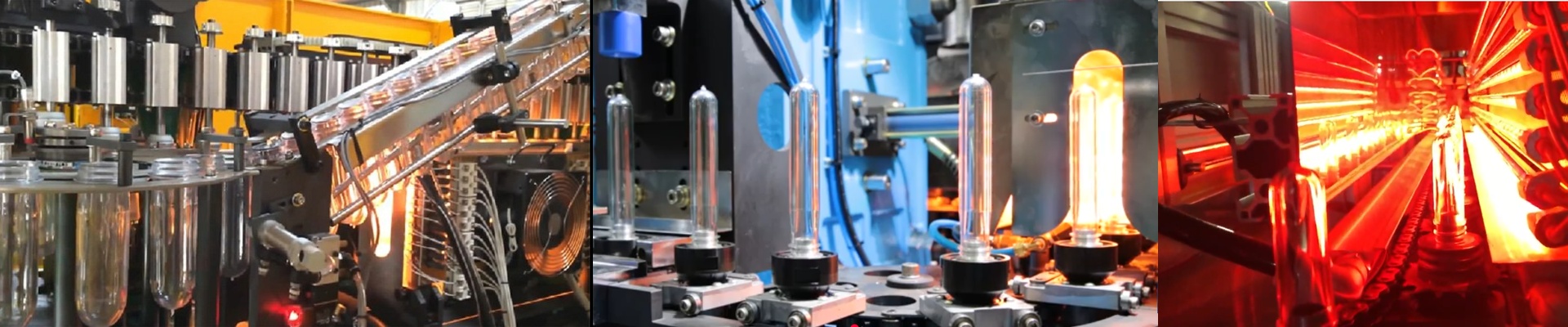
Standard coils are slow. They take forever to warm up and even longer to cool down. Trying to get precision out of them is basically a guessing game. Our quartz tubes work differently. They shoot short-wave infrared radiation straight at the target. Because the quartz walls are thin and the filament hits its peak temperature almost instantly, your response time drops to seconds. This means you can tighten up your PID loops and actually trust your setpoint without worrying about the temperature swinging wildly.
Why the “Frosted” look?
You might wonder why we don’t just use clear glass. Here’s the thing: clear quartz creates beams. It’s like a flashlight of heat. If you aren’t careful, you’ll end up with “hot spots” that scorch your product. The frosting scatters that energy. It spreads the heat out evenly across the whole chamber. You get the insane speed of infrared, but it feels like the gentle, wrap-around heat of a traditional oven.
The catch (because there’s always one)
I won’t tell you this is a magic fix without a trade-off. Quartz is fragile. If your convection fans are vibrating too much, or if a technician is a bit too rough during a maintenance check, those tubes can crack. You have to be mindful. Make sure your mounting brackets are rock solid. Double-check that your wiring can handle the wattage so you don’t fry your terminals. And if you’re packing a lot of power into a small box, give your cabinet some breathing room. Those oven walls are going to feel that radiant heat, and they’ll need the ventilation to stay cool.